Egypt has stepped up efforts to strengthen cultural bonds with Nigeria, coinciding with the grand opening of the world’s largest archaeological museum. This move highlights shared African heritage and aims to boost cooperation in preservation and tourism, as announced during a recent celebration in Abuja.
Grand Egyptian Museum Unveiled
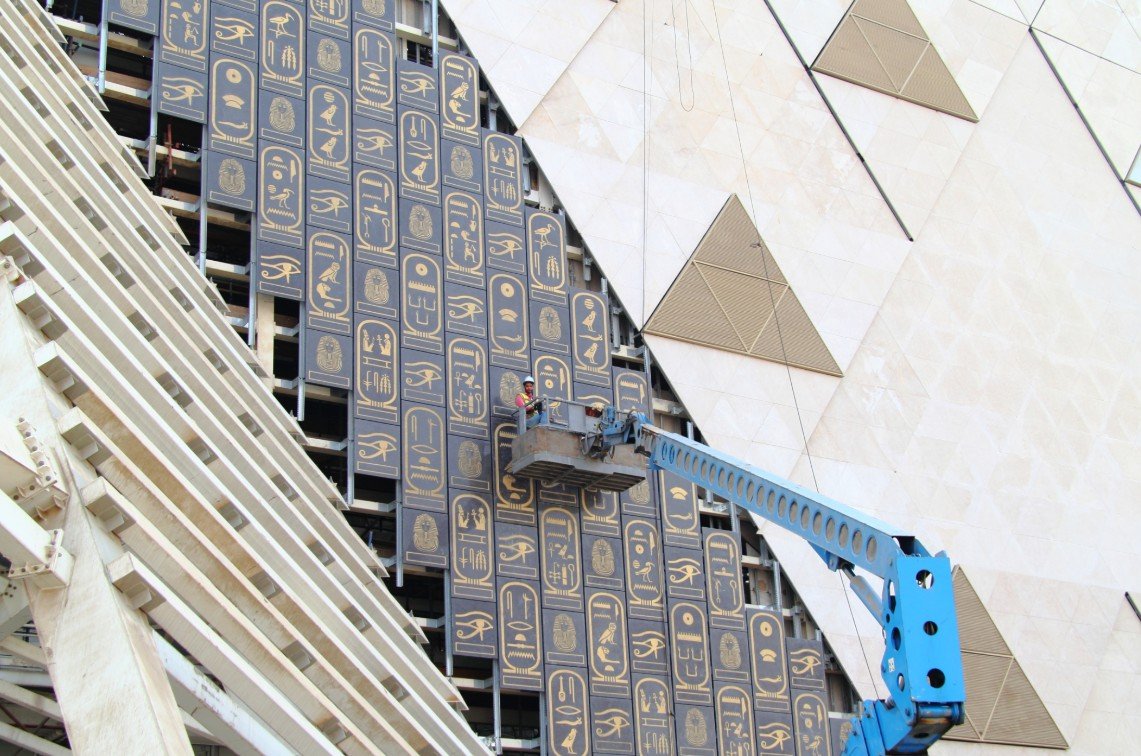
The Grand Egyptian Museum opened its doors on November 1, 2025, after more than two decades of planning and construction. Located near the iconic Giza Pyramids, this massive complex cost over one billion dollars and now houses more than 100,000 artifacts from ancient Egypt.
Visitors can explore treasures like the full collection from King Tutankhamun’s tomb, displayed together for the first time. The museum spans a huge area and includes modern features such as interactive exhibits and vast halls that bring history to life.
Egyptian officials describe it as a gift to the world, drawing global attention and sparking calls for the return of artifacts held abroad. The opening ceremony attracted leaders from various countries, marking a key moment in cultural history.
This event ties into broader trends, such as recent African initiatives to reclaim and preserve historical items. For instance, other nations have pushed for repatriation of colonial-era artifacts, aligning with Egypt’s efforts.
Deepening Cultural Links with Nigeria
Egypt’s ambassador to Nigeria, Motaz Zahran, spoke at an event in Abuja, expressing eagerness to partner on heritage projects. He stressed the need for African countries to work together on museum development and tourism.
The celebration included Nigerian officials like Obi Asika from the National Council for Arts and Culture. They discussed ways to share expertise and promote shared pride in Africa’s past.
Zahran noted that Egypt sees its ancient civilization as a common legacy that influenced governance, art, and science across continents. This partnership could lead to joint programs, such as training for Nigerian curators or exchange of artifacts for exhibitions.
Recent years have seen similar cultural exchanges, like Korea’s events in Nigeria, showing a growing trend of international ties in the arts.
Nigeria, with its rich history including Benin bronzes, stands to gain from Egypt’s experience in managing large-scale museums. Officials from both sides expressed optimism about future collaborations.
Key Features and Attractions
The museum boasts several standout elements that make it a must-visit site.
- A grand atrium with a massive statue of Ramses II, greeting visitors upon entry.
- Dedicated galleries for pharaohs, showcasing mummies and royal treasures.
- Interactive zones where people can learn about ancient Egyptian daily life through technology.
- Outdoor spaces linking to the nearby pyramids for a seamless experience.
These features aim to educate and entertain, drawing families, scholars, and tourists alike.
Beyond displays, the museum includes research centers and conservation labs, supporting ongoing archaeological work.
Impact on Tourism and Economy
The opening is expected to supercharge Egypt’s tourism sector, which has faced challenges from global events. Experts predict millions of visitors in the coming years, boosting local jobs and revenue.
Nigeria could see benefits too, through increased cultural tourism if ties strengthen. Shared projects might attract international funding for African heritage sites.
Here’s a quick look at some key facts about the Grand Egyptian Museum:
| Aspect | Details |
|---|---|
| Location | Near Giza Pyramids, Egypt |
| Opening Date | November 1, 2025 |
| Cost | Over $1 billion |
| Artifacts | More than 100,000 |
| Daily Visitors | Up to 4,000 initially |
| Key Exhibit | Full Tutankhamun collection |
This table shows the scale of the project and its potential draw.
The museum’s launch aligns with Egypt’s push to position itself as a global cultural hub, especially after events like the Cairo parade of mummies a few years back.
Future Prospects for Collaboration
Looking ahead, Egypt plans to expand partnerships across Africa, focusing on sustainable heritage management. This could include workshops, joint excavations, and digital archives to preserve stories for future generations.
For Nigeria, such ties offer a chance to enhance its own cultural institutions and promote tourism. Both countries share goals of fostering unity through history.
As these relations grow, they might inspire similar efforts in other regions, contributing to a broader African cultural renaissance.
What do you think about this cultural partnership? Share your thoughts in the comments and spread the word to friends interested in history and travel.