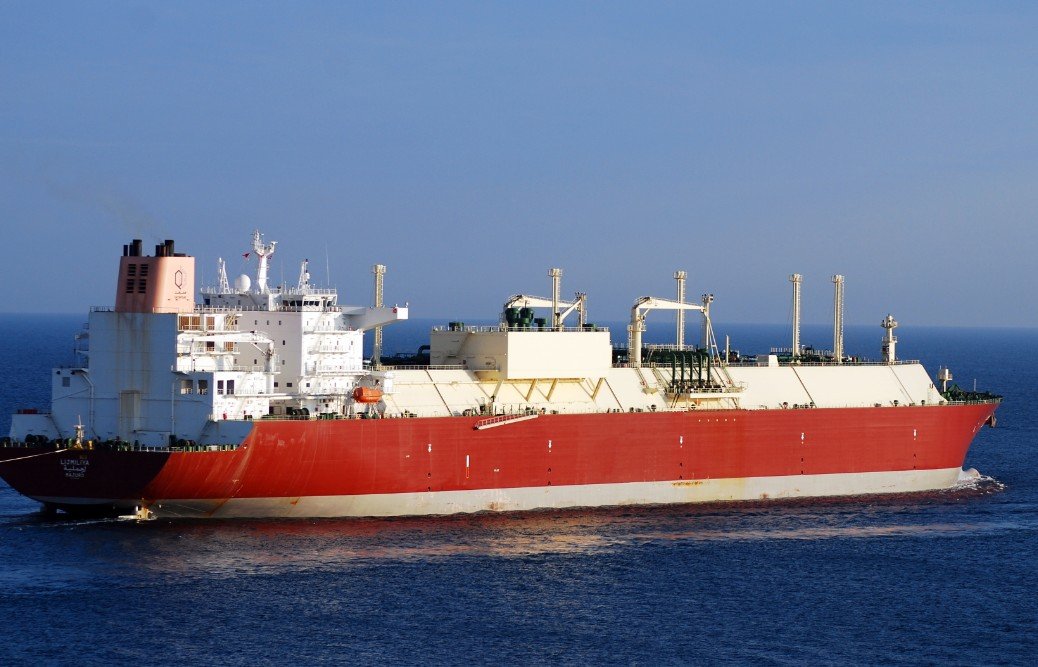
Egypt has sent a fresh shipment of liquefied natural gas to Canada, marking a key move in its push to boost exports. The cargo, around 150,000 cubic meters, left the Idku liquefaction complex this week aboard the LNG Endeavour tanker for TotalEnergies, as stated by the Ministry of Petroleum and Mineral Resources.
This export highlights Egypt’s strategy to revive its role in the global gas market while encouraging more foreign investment in local production. Officials say such shipments help balance domestic needs with international sales, especially as the country aims to become a major regional energy hub.
Details of the Latest Shipment
The LNG Endeavour loaded the gas at Idku, a major facility on Egypt’s Mediterranean coast near Alexandria. This marks one of the first exports of 2026, following a series of shipments in late 2025 to places like Turkey, Italy, and Greece.
TotalEnergies, a French energy giant, operates the tanker and holds stakes in the Idku plant through its joint venture with partners including Shell and Petronas. The cargo heads to Canada, a nation ramping up its own LNG imports amid growing demand for cleaner energy sources.
Egypt’s decision to export comes at a time when global gas prices remain high due to supply concerns in Europe and Asia. This shipment could help Canada diversify its energy sources, reducing reliance on traditional suppliers.
Egypt’s Growing LNG Export Strategy
Egypt paused most LNG exports in 2024 to meet rising domestic power needs, but production boosts from fields like Zohr have allowed a comeback. In 2025, the country sent out several cargoes, including two to Turkey totaling about 300,000 cubic meters.
The government now ties exports to incentives for foreign firms to invest more in exploration and output. This approach aims to offset natural declines in older fields and support economic growth through energy revenues.
Recent deals show this in action. Egypt signed agreements with Qatar for up to 24 LNG imports in summer 2026, while also exporting to neighbors like Lebanon via pipeline. These moves position Egypt as a bridge between Middle East producers and European markets.
Officials expect exports to hit around 4 million tons in 2026, up from under 1 million in 2025, based on increased output and efficient plant operations.
Key Players and Infrastructure Involved
The Idku plant, with a capacity of 7.2 million tons per year, plays a central role in Egypt’s LNG ambitions. Operated by Egyptian LNG, it processes gas from offshore fields and has exported to over 20 countries since starting in 2005.
TotalEnergies brings expertise in global trading, helping Egypt reach new markets like Canada. Shell, another partner, lifted a cargo to Italy in October 2025, showing the plant’s flexibility.
Egypt also uses the Damietta facility for exports, but Idku handled this latest one due to its location and available slots.
To illustrate recent activity, here is a table of Egypt’s notable LNG exports in late 2025 and early 2026:
| Date | Destination | Volume (cubic meters) | Operator |
|---|---|---|---|
| September 2025 | Spain | 150,000 | TotalEnergies |
| October 2025 | Turkey | 150,000 | TotalEnergies |
| October 2025 | Italy | 155,000 | Shell |
| January 2026 | Canada | 150,000 | TotalEnergies |
This data shows a pattern of steady, mid-sized shipments to diverse buyers.
Economic and Regional Impacts
Exporting LNG brings vital foreign currency to Egypt, supporting its economy amid challenges like inflation and tourism recovery. Each shipment like this one could generate millions in revenue, depending on spot market prices around $15 per million British thermal units.
On a regional level, Egypt’s exports ease pressure on global supplies strained by events like the ongoing energy transition and geopolitical tensions. For Canada, this import aligns with its plans to expand LNG facilities, such as the Kitimat project set to export 14 million tons annually once fully online.
Challenges remain, including competition from top exporters like Qatar and the US. Egypt must sustain production growth to keep exports flowing without shortages at home.
Benefits for Global Energy Markets
This shipment underscores several advantages of Egypt’s LNG push:
- Diversifies supply options for importers like Canada, reducing risks from single sources.
- Boosts Egypt’s hub status, linking African and Middle Eastern gas to world markets.
- Encourages tech transfers and jobs through partnerships with firms like TotalEnergies.
- Supports cleaner energy goals, as LNG burns with fewer emissions than coal.
Experts predict more such deals in 2026, with Egypt targeting 22 billion cubic feet of exports to Europe and Lebanon in the first two months alone.
Future Outlook for Egypt’s Gas Sector
Looking ahead, Egypt plans to expand infrastructure, including potential new pipelines and plant upgrades. Deals with Syria for gas cooperation and Qatar for imports show a balanced approach: import when needed, export when possible.
Production from new discoveries could push annual output past 80 billion cubic meters by 2027, per industry forecasts. This would allow more exports while meeting domestic demand, which peaks in summer for power generation.
As global demand for LNG grows with the shift from fossil fuels, Egypt’s strategic location gives it an edge. Analysts see exports doubling in the next few years if investments continue.
What do you think about Egypt’s LNG strategy? Share your thoughts in the comments and spread the word to keep the conversation going.