
Egypt has moved to underline its political and security engagement with Lebanon as regional tensions intensify. A high-level visit by Cairo’s intelligence chief, officials say, is part of sustained coordination aimed at calming an increasingly fragile situation.
The message was delivered from the heart of Lebanese power.
Cairo frames the visit as steady coordination, not a one-off move
Speaking after talks at Baabda Palace, Alaa Moussa made it clear that the visit by Egypt’s intelligence chief was neither symbolic nor isolated. He described it as part of an ongoing process of political and security coordination between Cairo and Beirut.
According to Moussa, Egypt sees the current moment as requiring constant engagement rather than sporadic diplomacy. Things on the ground, he suggested, are shifting too quickly for anything less.
He pointed to the widening scope of Israeli military activity, warning that the pace of attacks has increased in a way that demands close monitoring. The tone was measured, but the concern was obvious.
Egypt, Moussa said, is actively trying to help cool things down.
Not dramatically. Not loudly. But consistently.
Baabda Palace talks reflect mounting pressure on Lebanon
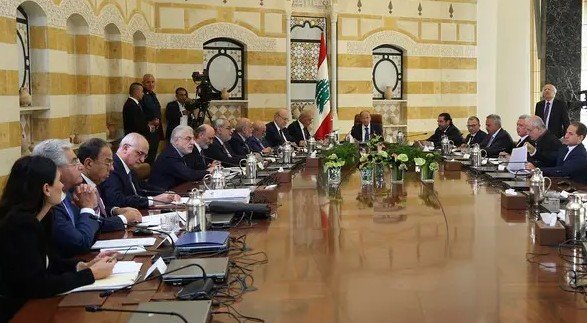
The meeting took place at Baabda Palace with Joseph Aoun, at a time when Lebanon faces pressure from several directions at once. Israeli violations continue along the border, while internal debates over security and sovereignty remain unresolved.
Moussa said the discussions focused on where Lebanon stands politically and how Egypt can support stability without adding fuel to an already tense environment.
One sentence stood out.
The ambassador warned that the scale and speed of Israeli actions require “vigilance,” a word that carries weight in diplomatic language. It signals risk without spelling out consequences.
And in this region, consequences rarely stay local.
Egypt backs the state’s sole authority over weapons
In remarks that touched a sensitive nerve in Lebanese politics, Moussa reaffirmed Egypt’s support for the principle that weapons should be held exclusively by the state.
This position aligns closely with President Aoun’s public stance, which calls for strengthening state institutions and limiting armed authority to official bodies.
Cairo’s support, Moussa stressed, is “full and clear.”
That phrasing matters. Egypt is not hedging here. It is openly backing the Lebanese president’s approach, even though the issue of arms remains deeply divisive inside Lebanon.
The ambassador also said Egypt is ready to assist Lebanon as it explores political options, including negotiations, if conditions allow.
For Beirut, such backing from a major Arab state offers diplomatic cover at a time when choices feel narrow.
Negotiations mentioned as Israeli violations persist
Moussa revealed that President Aoun expressed Lebanon’s willingness to enter negotiations aimed at reaching a settlement, particularly in light of continued Israeli violations.
That statement alone signals a shift in tone.
Lebanon has often been cautious about publicly framing talks as negotiations, preferring indirect channels or third-party mediation. Acknowledging readiness, even conditionally, suggests urgency.
The backdrop remains grim.
Israeli actions, as described by Lebanese officials, have not slowed. Border incidents, airspace violations, and military pressure continue to shape daily calculations in Beirut.
Egypt’s role, according to Moussa, is to help keep diplomatic doors open while preventing escalation from spiraling out of control.
Why Egypt’s involvement carries weight right now
Egypt is not a distant observer in regional politics. It has longstanding ties with Lebanon and a history of mediation across the Middle East, from Gaza ceasefires to broader Arab dialogue.
Its intelligence services, in particular, have often played behind-the-scenes roles during crises.
This latest visit by intelligence chief Hassan Rashad fits that pattern. It suggests Cairo is gathering firsthand assessments, coordinating messages, and testing possible off-ramps before events overtake diplomacy.
For Lebanon, the engagement sends a signal to other regional and international players:
Beirut is not isolated.
Egypt’s approach also reflects concern that instability in Lebanon could spill beyond its borders, affecting wider regional balance at a moment when tensions are already stretched thin.
A fragile calm, held together by diplomacy
Nothing in Moussa’s remarks suggested an imminent breakthrough. There were no grand announcements. No timelines. No promises of quick relief.
Instead, the language was careful, almost restrained.
That restraint may be intentional. In volatile conditions, overstating progress can be as risky as ignoring danger.
Egypt’s message seems to be that steady coordination, support for state authority, and openness to dialogue remain the best tools available right now.
Whether that will be enough is another question.
For the moment, Cairo is positioning itself as a stabilizing partner, quietly reinforcing Beirut’s political line while urging caution as the region watches the next move.
