Egypt has taken another concrete step in reshaping its energy mix. On Monday, authorities inaugurated the first phase of a massive solar power project in Qena, southern Egypt, marking a $600 million investment aimed at boosting clean electricity supply and easing pressure on the national grid.
The launch sets the tone for what officials describe as one of the country’s most ambitious renewable energy efforts to date, with more capacity scheduled to come online within months.
A large-scale solar site takes shape in southern Egypt
The first phase of the Obelisk Solar Power Project was inaugurated in Qena governorate, deep in Upper Egypt, a region increasingly central to Cairo’s renewable energy plans.
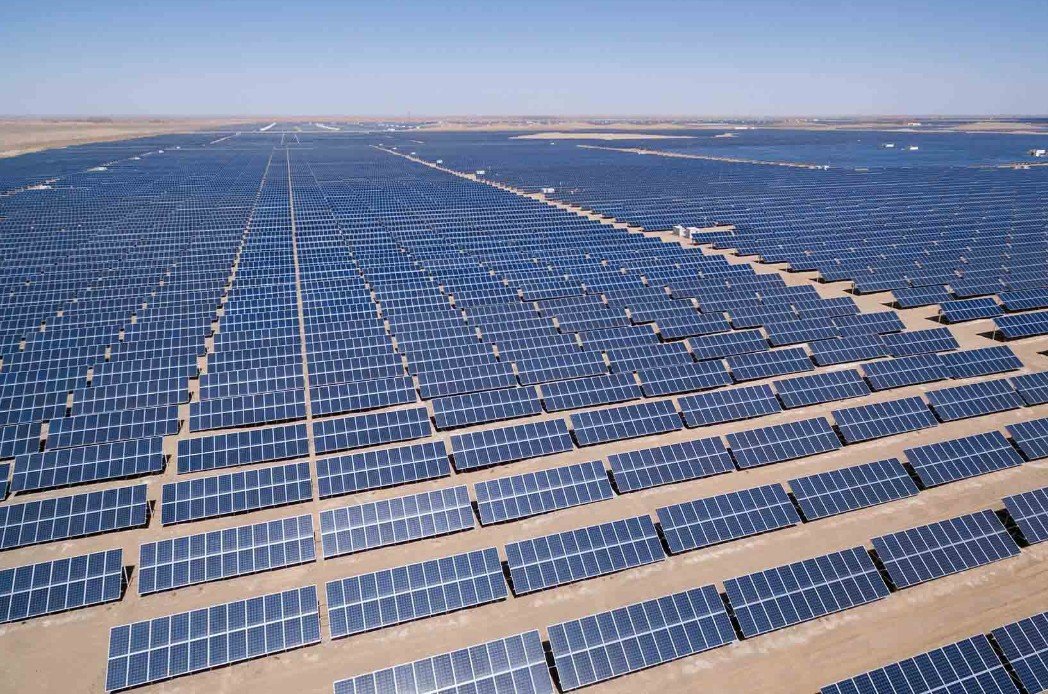
Covering more than 20 square kilometers, the site is hard to miss. Rows of solar panels stretch across the desert landscape, broken only by access roads and infrastructure for energy storage.
This initial phase delivers 500 megawatts of generation capacity, according to a government statement.
It also includes a battery energy storage system capable of storing 200 megawatt-hours of electricity, a feature that allows power generated during the day to be used after sunset.
For Egypt, that detail matters more than it might sound at first glance.
Why storage is becoming part of the equation
Solar power is plentiful in Egypt. Reliability, though, is the tricky part.
By pairing generation with storage, the Obelisk project aims to smooth out fluctuations and support grid stability, especially during evening demand peaks.
Energy officials say this model reflects lessons learned from earlier solar developments, where output dropped sharply once the sun went down.
A senior official involved in the project described the battery system as “a practical necessity,” rather than a luxury add-on.
It allows operators to release stored electricity when consumption rises, reducing reliance on gas-fired plants at critical hours.
The second phase is already on the calendar
This is not a one-off installation.
The second phase of the Obelisk project, also designed to deliver 500 megawatts, is scheduled to begin in May, the government said.
Once that stage is completed, total capacity will reach 1,000 megawatts.
At that point, the facility will rank among the largest solar-plus-storage projects on the African continent, a distinction Egypt has been openly aiming for as it competes with regional peers on clean energy deployment.
The scale is deliberate. Smaller plants help. Projects of this size change system-wide calculations.
Who is behind the project
The Obelisk Solar Power Project is being developed by Scatec, a Norwegian renewable energy company with an expanding footprint in Africa and the Middle East.
Scatec has been active in Egypt for several years, most notably in the Benban Solar Park, and officials say the company’s experience with utility-scale projects was a key factor in its selection.
The inauguration ceremony reflected that international dimension.
Senior Egyptian officials were joined by delegations from major financial partners, including:
-
European Bank for Reconstruction and Development
-
European Investment Bank
-
African Development Bank
Their presence signaled continued confidence from lenders that Egypt’s renewable strategy is bankable and, crucially, deliverable.
Jobs, homes, and the numbers behind the headlines
Government officials say the project’s impact goes beyond megawatts and balance sheets.
During construction and early operations, the Obelisk project is expected to create around 5,000 jobs, many of them in Upper Egypt, where employment opportunities are more limited than in Cairo or the Delta.
Once fully operational, the plant is projected to supply electricity to roughly 1.6 million homes.
That figure is based on average household consumption estimates and assumes full output across both phases.
To put the project in perspective, here is a snapshot of its core metrics:
| Project Element | Details |
|---|---|
| Total investment | $600 million |
| Location | Qena Governorate, southern Egypt |
| Phase 1 capacity | 500 MW |
| Phase 2 capacity | 500 MW |
| Battery storage | 200 MWh |
| Total planned capacity | 1,000 MW |
| Estimated households powered | ~1.6 million |
| Jobs created | ~5,000 |
These numbers help explain why the government is spotlighting the project so prominently.
Qena’s growing role in Egypt’s energy map
Qena is not traditionally known as an energy hub.
Historically, Upper Egypt has been associated with agriculture, cement, and mining, while large power projects clustered closer to the Nile Delta and the Mediterranean coast.
That pattern is changing.
Officials say Qena offers strong solar irradiation, vast land availability, and proximity to transmission corridors, making it well suited for large renewable installations.
There is also a political dimension.
Directing investment south supports regional development goals and helps reduce economic imbalances that have persisted for decades.
In that sense, Obelisk is as much a regional policy statement as it is a power plant.
How this fits into Egypt’s broader energy push
Egypt has been steadily diversifying its energy mix, aiming to reduce carbon intensity while maintaining supply security.
Natural gas still dominates, especially after major offshore discoveries, but renewables are taking a larger slice of the pie.
Solar, in particular, has moved from pilot projects to industrial-scale facilities.
Officials point to falling technology costs, improved grid integration, and growing experience among local contractors as reasons for the shift.
The Obelisk project reflects all three trends.
It is big. It is technically more advanced than earlier plants. And it is being executed within a framework that international financiers appear comfortable backing.
International finance and long-term confidence
Large infrastructure projects live or die on financing.
The involvement of multilateral lenders sends a signal that goes beyond this single site in Qena.
It suggests confidence in Egypt’s regulatory framework, power purchase arrangements, and currency risk management, issues that often make or break energy investments in emerging markets.
One diplomat attending the inauguration described the project as “a vote of confidence in Egypt’s long-term energy planning.”
That confidence will be tested, of course, in execution and performance over time.
But for now, the first phase is live, panels are producing, and stored electricity is waiting to be released when demand calls for it.