
Tension in the Middle East has taken a frightening turn for Egypt as the ongoing war involving the United States, Israel, and Iran fuels deep unease in Cairo. Once seen as a pillar of regional stability, Egypt now openly worries that Israel’s military actions, backed by the US, could reshape the regional balance in ways that threaten its own security and future. This fear is drawing attention across the Middle East and beyond, with potential global impact that goes far beyond borders.
Rising Fear in Cairo as War Escalates
Egypt’s President Abdel Fattah El Sisi attempted to reassure Egyptians early in the conflict, telling a public gathering not to worry and that no one would dare harm Egypt. However, his words mask a growing concern at the highest political and military levels that Israel’s unprecedented use of force might not stop with Iran. Experts note that this conflict has already changed military dynamics, weakening groups such as Hamas and Hezbollah and degrading military infrastructure in Syria and Iran.
Many in Egypt now believe that Israel, having neutralized these perceived threats, could turn its attention toward a broader regional agenda. The notion of a so‑called “greater Israel” – a concept spreading in regional discourse about extending influence and control beyond current boundaries – has only increased these fears among both policymakers and ordinary Egyptians.
Social media discussions within Egypt reflect these anxieties. Citizens express concern that Israel’s strategic advantage might embolden ambitions that could eventually impact Egypt’s own territory or its access to vital waterways such as the Red Sea.
Military Buildup and Strategic Preparations in Egypt
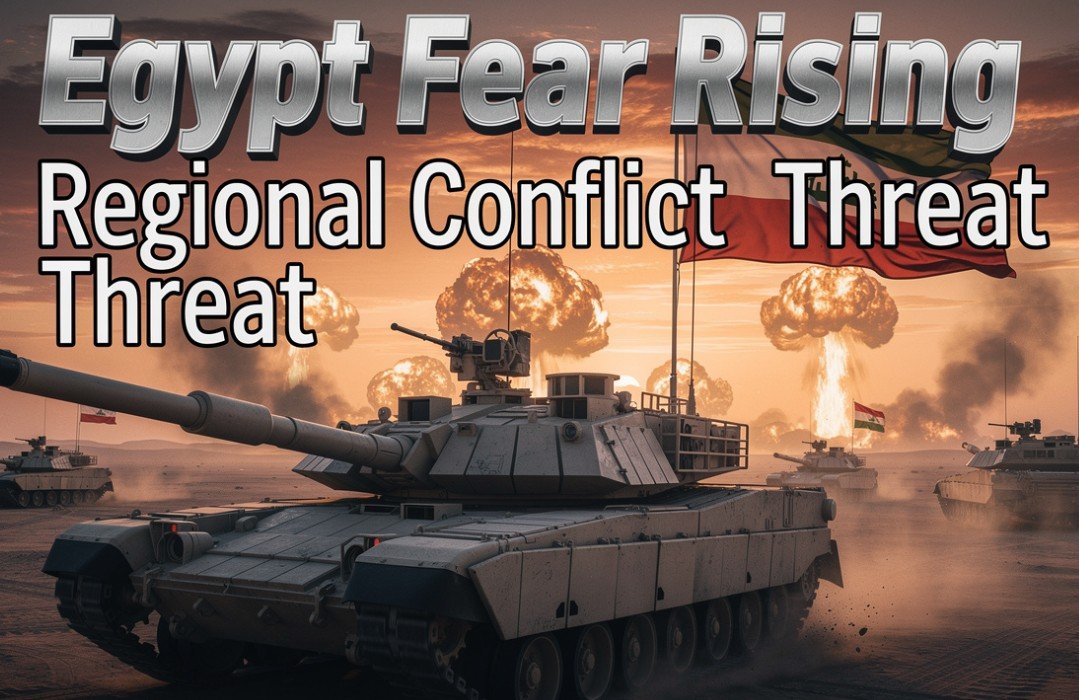
In response to this growing threat perception, Egypt has increased military readiness along its borders and elevated vigilance across key defense sectors. The Egyptian army, known as one of the most powerful in the Arab world, has deployed additional forces near the border areas around the Sinai Peninsula and reinforced air defenses. This reflects a shift from keeping a cautious distance from conflict zones to preparing for potential spillover effects.
Defense Minister Ashraf Zaher has been overseeing intensive inspections of combat readiness and military technology upgrades. These actions signal that Egypt is not merely reacting to a nearby conflict but also taking preventative measures to safeguard its national security.
At the same time, President El Sisi has been in extensive contact with other Arab leaders, warning that the current war could easily spiral into broader regional chaos. He emphasized that Egypt has long pursued diplomacy and dialogue to prevent conflict, but sees military escalation as a grave threat to both national and Arab security.
Economic Strain and Strategic Concerns
The widening conflict does not only stir military worries. Egypt’s economy is already feeling the effects. Disruptions to shipping through the Red Sea and heightened instability in the wider region have hit the economically vital Suez Canal, which accounts for significant revenue for the country. This comes on top of a damage estimate of about $10 billion in lost Suez Canal revenue since the war in Gaza began in 2023.
The halt of Israeli natural gas exports to Egypt and neighboring Jordan has forced Cairo to lease liquified natural gas supply units to meet energy demands, adding more economic strain. The combined impact of supply issues, investor flight, and reduced tourism is increasing pressure on Egypt’s already fragile economy.
Economists warn that capital outflows and pressure on Egypt’s currency could deepen if the conflict persists. Rising energy and shipping costs and uncertainty around oil markets may further affect inflation and fiscal stability.
Egypt’s Diplomatic Strategy and Regional Balance
Despite fears and preparations, Egypt’s leadership continues to champion a diplomatic solution. President El Sisi’s government has repeatedly called for dialogue between the United States and Iran and urged restraint on all sides to avoid a full‑scale regional war.
At the same time, Cairo has extended support to its Arab neighbors, including Lebanon, amid intensifying clashes between Israel and Hezbollah. Egypt has emphasized the need for neutrality and protection of civilian lives across the region.
Egypt’s official stance remains rooted in the 1979 peace treaty with Israel, which is still considered a cornerstone for regional stability despite being strained in recent years. There is broad consensus in Cairo that conflict with Israel would be catastrophic, making preservation of peace a strategic priority.
Public Sentiment Reflects Anxiety and Distrust
The Egyptian public’s view mirrors the government’s concerns. Many Egyptians express solidarity with Iran in response to what they see as disproportionate use of force by the US and Israel. There is also rising distrust in Israel’s intentions, especially amid discussions of territorial expansion or strategic dominance in the region.
Cairo’s officials, analysts, and citizens alike worry that the current conflict might become the catalyst for a shift in regional power balances that undermines Egypt’s own security and geopolitical standing. Amid this uncertainty, Egyptians increasingly see military preparedness as necessary, even while advocating for diplomacy.
The evolving situation places Egypt at a pivotal moment where strategic caution, diplomatic advocacy, and economic resilience are all being tested by the currents of a war that began far beyond its borders but may leave profound effects across North Africa and the wider Middle East.
Egypt’s leaders have appealed for calm and unity while preparing for the worst, reflecting both a commitment to peace and a deep concern that military might anywhere in the region could have unintended and far‑reaching consequences for Egypt’s future.
