Egypt’s Minister of Tourism and Antiquities, Sherif Fathy, honored renowned Armenian Egyptologist Dr. Hourig Sourouzian on December 15, 2025, for her key role in restoring two colossal statues of Pharaoh Amenhotep III in Luxor. The ceremony marked the unveiling of the restored Colossi of Memnon, a project that revives a major ancient site and boosts tourism in the region.
The Ceremony and Recognition
During the event at the mortuary temple site in Luxor, Minister Fathy presented Dr. Sourouzian with a certificate of appreciation. This honor highlights her leadership since 1998 in the Egyptian-German mission to preserve and reassemble the statues, which were damaged by an earthquake over 3,200 years ago.
The project involved close work with Egypt’s Supreme Council of Antiquities and the German Archaeological Institute. Support came from global groups like the World Monuments Fund, focusing on saving what remains of the once-grand temple. Dr. Sourouzian shared how her team found statue fragments buried in silt and groundwater, then carefully cleaned and rebuilt them.
This recognition comes at a time when Egypt pushes to highlight its heritage. Recent efforts include new museum openings and site upgrades, drawing millions of visitors each year. The timing aligns with growing interest in ancient Egyptian history, fueled by documentaries and social media buzz.
Details of the Restored Statues
The two alabaster statues depict Pharaoh Amenhotep III seated, with hands on his thighs and faces toward the Nile. One stands 14.5 meters tall, the other 13.6 meters, each weighing hundreds of tons. They wear the nemes headdress and pleated kilts, symbols of divine rule.
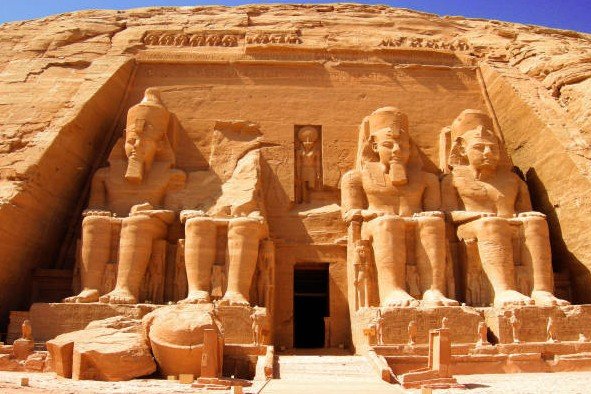
Smaller figures at the pharaoh’s feet show his wife, Queen Tiye, adding personal touches to the massive works. These statues guarded the entrance to Amenhotep III’s mortuary temple, built around 1350 BC during Egypt’s prosperous 18th Dynasty.
Restoration wrapped up in 2025 after starting reassembly in 2006. Experts used 3D scans and careful block matching to rebuild them accurately. Some pieces came from Karnak Temple, where they were reused long ago.
Here are key facts about the statues in a simple table:
| Feature | Description |
|---|---|
| Height | 14.5 meters and 13.6 meters |
| Material | Alabaster quartzite |
| Age | Over 3,400 years old |
| Original Purpose | Guard mortuary temple entrance |
| Depiction | Seated pharaoh with Queen Tiye figures |
This table shows the scale and history, making it clear why the restoration matters.
Project Challenges and Achievements
The team faced tough issues like saline water damage and scattered fragments. Over years, they uncovered and documented thousands of pieces, some quarried away in ancient times.
Dr. Sourouzian noted the project’s goal to preserve the temple’s last remains. It succeeded by returning the statues to their spots, enhancing the site’s look and stability.
Achievements include:
- Uncovering hidden blocks from nearby sites.
- Using modern tech for precise reassembly.
- Boosting local jobs in archaeology and tourism.
- Drawing global attention to Luxor’s heritage.
These steps turned a ruined area into a vibrant attraction. Similar projects in Egypt, like recent Nile temple finds, show a trend in rediscovering ancient wonders.
Logical reasoning suggests this work protects against climate threats, as rising waters and erosion hit many sites. With tourism bringing in billions yearly, such restorations support Egypt’s economy.
Impact on Tourism and Culture
The unveiling positions Luxor as a top spot for history lovers. Minister Fathy called it a win for preserving Egyptian civilization, expecting more visitors.
Tourism in Egypt hit record highs in 2025, with over 15 million arrivals. Sites like the Colossi of Memnon now offer better access, including guided tours and exhibits.
This fits broader trends, such as virtual reality experiences at ancient sites. It also ties to events like the Grand Egyptian Museum’s full opening, pulling crowds worldwide.
Culturally, the project honors Amenhotep III’s era of art and building. His reign saw peaks in sculpture and trade, influencing later pharaohs.
Future Plans and Global Significance
Egypt plans more digs and restorations at the temple, aiming to reveal hidden chambers. Dr. Sourouzian’s team will keep monitoring the site for long-term care.
Globally, this inspires similar efforts in places like Greece and Italy, where ancient ruins face modern risks. It shows how international teams can save history.
As 2025 ends, this story reminds us of Egypt’s timeless appeal. Experts predict more finds in Luxor, keeping the world hooked on pharaoh tales.
What do you think about this restoration? Share your thoughts in the comments and spread the word to friends interested in history.