
Egypt is taking a decisive stand against environmental degradation by imposing severe penalties to curb the reliance on single-use plastic bags. The government has signaled that the time for gradual awareness is over and strict enforcement is now the priority. This move aims to protect the Nile River and the Red Sea from the choking grip of plastic waste.
Authorities are shifting gears from voluntary reduction strategies to a legal framework that punishes non-compliance. The government is ready to apply deterrent penalties to ensure manufacturers and retailers stick to new environmental standards. This crackdown is part of a massive national effort to modernize waste management across the country.
National Strategy Targets Plastic Pollution Reduction
The push for stricter penalties was the focal point of a recent high-level meeting chaired by Manal Awad, the Minister of Local Development. She gathered top officials to review exactly how the country handles plastic waste. The meeting included leaders from the Environmental Affairs Agency and the Waste Management Regulatory Authority.
Awad made it clear that the ministry is moving fast to implement the directives of President Abdel Fattah El-Sisi. The goal is simple yet ambitious. Egypt wants to drastically lower the consumption of single-use plastics.
The government has spent years laying the groundwork for this moment. They have studied international success stories and regional challenges to build a strategy that works for Egypt.
Key Focus Areas of the National Strategy:
- Enforcement: Applying strict fines on violators of the waste management law.
- Standardization: Ensuring all bags meet specific thickness and durability tests.
- Alternatives: Promoting the use of paper, cloth, and biodegradable bags.
- Education: Teaching consumers why thin plastic bags are dangerous to the ecosystem.
This isn’t just about cleaning up the streets. The strategy specifically targets the protection of marine biodiversity which is vital for Egypt’s tourism sector. Plastic pollution poses a severe threat to coral reefs and marine life in coastal governorates.
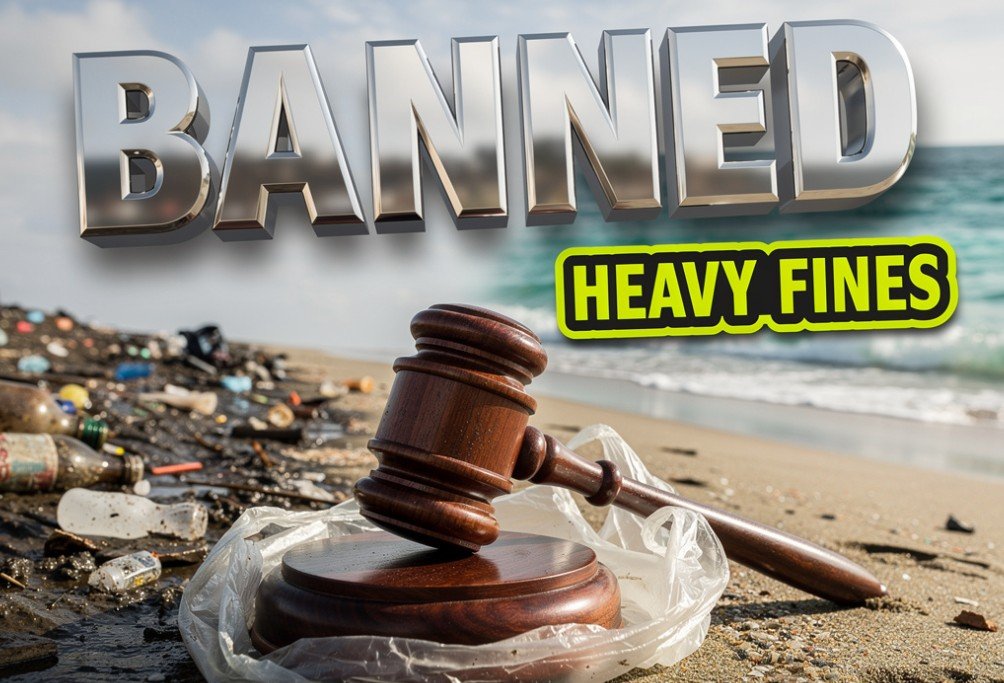
New Thickness Standards and Heavy Fines Explained
A major component of this crackdown revolves around the technical specifications of the bags themselves. The government is coordinating with the Ministry of Industry to enforce Egyptian Standard Specification 3040.
This rule mandates that all plastic bags produced must have a minimum thickness of 50 microns. You might wonder why thickness matters. Thinner bags are flimsy, fly away easily in the wind, and are rarely reused. Thicker bags are durable, can be used multiple times, and are much easier to recycle.
The decree prohibits the free distribution of single-use bags if they do not meet these specs. Retailers found distributing banned types of thin plastic bags will face the new deterrent penalties.
The Problem with Thin Plastic
| Feature | Thin Bags (Banned) | Thick Bags (50+ Microns) |
|---|---|---|
| Durability | Tears easily | Strong and reusable |
| Recycling | Clogs machines | High recycling value |
| Littering | Flies into waterways | Heavy enough to manage |
| Value | Seen as trash | Seen as a resource |
The Minister emphasized the need to activate the executive regulations of the Waste Management Law immediately. This law provides the legal teeth needed to fine violators. It also introduces the concept of Extended Producer Responsibility (EPR).
EPR means that whoever makes the plastic is responsible for its entire lifecycle. They cannot just sell it and forget about it. This policy forces manufacturers to think about how their products will be collected and recycled after use.
Protecting Marine Life and Public Health
The urgency behind these penalties stems from the catastrophic damage plastic does to the environment. Egypt relies heavily on the Nile for drinking water and agriculture. When plastic bags end up in the river, they break down into microplastics.
These tiny particles enter the food chain and the water supply. Health experts warn that microplastics are now finding their way into human bodies causing long term health issues.
The situation is equally critical in the Red Sea. Cities like Hurghada and Dahab have already experimented with plastic bans to save their coral reefs. Plastic bags often look like jellyfish to turtles and dolphins. When marine animals eat them, they die.
“We are looking at a complete shift in culture,” stated an environmental official during the regulatory review. “The penalties are necessary because voluntary changes were moving too slow.”
This national rollout takes the lessons learned from those local Red Sea initiatives and applies them to the entire country. The government wants to ensure that the natural beauty attracting millions of tourists is not ruined by garbage.
Implementation Challenges and Retailer Responsibility
Transitioning away from single-use plastics is not easy for everyone. Small shop owners and markets have relied on cheap, thin bags for decades.
The Ministry of Local Development is aware of these challenges. They are working on a plan to help the market adapt without causing economic chaos. However, the message remains firm. Compliance is not optional.
Retailers act as the gatekeepers. If supermarkets and local kiosks stop handing out non-compliant bags, the supply chain changes. The new penalties place a heavy burden on these businesses to source legal, thicker bags.
Shoppers also have a role to play. The government encourages citizens to bring their own reusable tote bags. This habit is common in many countries and Egypt is pushing to make it the norm here.
The Ministry is also looking at incentives. They want to reward factories that switch to biodegradable materials. This creates a new market for green businesses and helps the economy grow in a sustainable direction.
Changing habits takes time. But with the threat of heavy fines looming, businesses are likely to switch to the 50-micron standard very quickly.
To wrap things up, Egypt is taking a bold step forward to secure a cleaner future. The era of free, flimsy plastic bags is coming to an end. By enforcing strict penalties and demanding higher quality standards, the government is prioritizing the health of its citizens and the safety of its unique environment. This is a tough transition, but it is necessary to keep the Nile clean and the Red Sea thriving.
