Egypt’s government faces a mounting debt crisis in 2025, with external debt reaching 161.2 billion US dollars by June. This surge stems from heavy borrowing for infrastructure since 2014, outpacing growth in production sectors like factories and farms, forcing nearly half the national budget into repayments.
Officials aim to cut debt levels to historic lows, but experts warn that without boosting exports and industries, the economy risks deeper trouble. This comes amid global pressures like inflation and energy costs, highlighting why infrastructure alone cannot sustain long-term growth.
The Rising Debt Burden
Egypt’s external debt has climbed sharply over the past decade, doubling from 2014 levels to about 165 billion dollars by early 2023, and hitting 161.2 billion by mid-2025. The Central Bank reports that repayments for 2024 alone totaled around 29 billion dollars, straining resources.
This debt eats into the budget, with payments taking 47.4 percent of the 2024/2025 allocation, up from 37.4 percent the previous year. Economists point to governance issues and external shocks, such as the COVID-19 pandemic and the Ukraine war, which worsened foreign exchange shortages.
The government spends heavily on servicing this debt, leaving less for essential services. Recent data shows the debt-to-GDP ratio dropping from 96 percent two years ago to 84 percent now, but it remains high compared to regional peers.
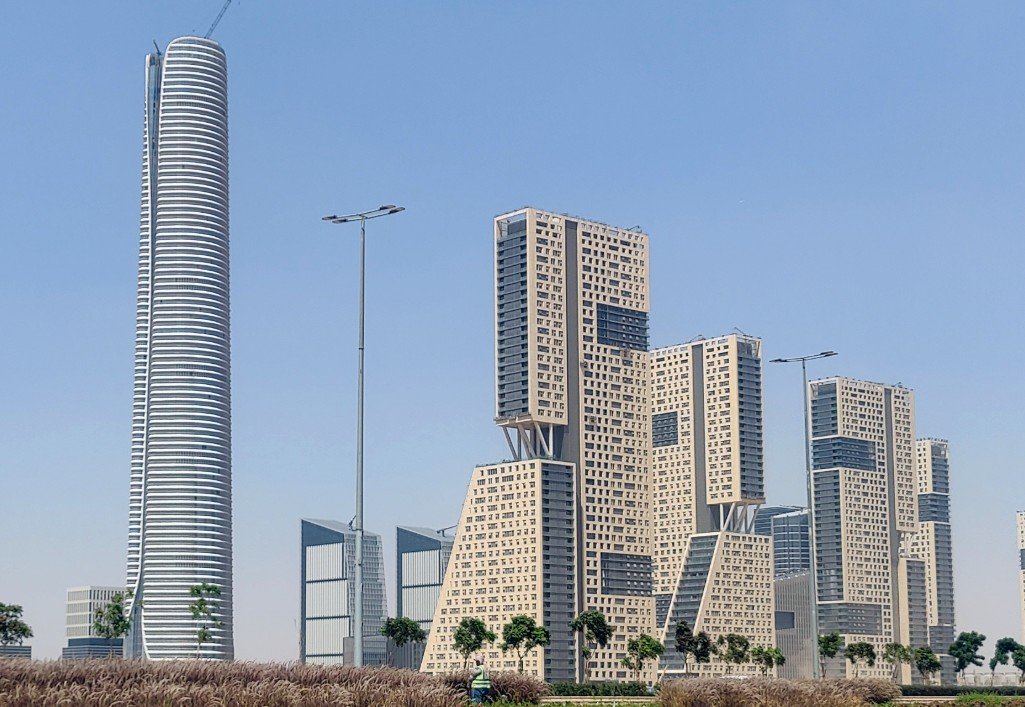
Prime Minister Mostafa Madbouly stated plans to reduce it further to 80 percent by June 2026 through fiscal discipline. Yet, without addressing the root causes, like low export growth, the cycle may continue.
Infrastructure Boom and Its Costs
Since 2014, Egypt has poured billions into massive projects, including new cities, highways across the desert, and power stations. These aim to modernize the nation and attract investment, but they have fueled borrowing at a rapid pace.
For instance, the Suez Canal expansion and new capital city developments have boosted short-term growth and jobs. However, these supply-side investments often lack matching demand from productive sectors.
Power plants run at full capacity, but without enough factories using the energy, returns are limited. Seaports stand ready, yet the hinterland produces few goods for export, leading to ongoing trade deficits.
The World Bank notes partnerships with Egypt to focus on job creation and social protection, but critics argue the emphasis on infrastructure has overshadowed needs in agriculture and manufacturing.
Recent moves include raising energy prices to reach cost recovery by late 2025, alongside incentives for renewable investments. Still, grid upgrades are needed to meet 2030 targets.
Production Lag Behind Investments
The core issue is that infrastructure growth has outpaced production. Factories and farms, which generate revenue and jobs, receive far less funding compared to roads and buildings.
Agriculture and industry investments remain low, resulting in a trade deficit that persists. Egypt imports more than it exports, relying on remittances and tourism for foreign currency.
Economists like Dr. Hassan El-Sady from Cairo University explain that borrowing motives focused on visible projects rather than sustainable output. This mismatch means new highways transport few locally made goods.
Here are key sectors showing the imbalance:
- Agriculture: Contributes under 12 percent to GDP, despite potential for exports like fruits and textiles.
- Manufacturing: Grows slowly at 16 percent of GDP, hit by energy costs and import reliance.
- Infrastructure: Accounts for over 20 percent of recent spending, driving up debt without quick returns.
To bridge this gap, experts suggest shifting funds to boost exports and reduce imports.
Government Strategies and Reforms
Egypt’s leaders are responding with reforms, including a deal with the International Monetary Fund for financial support. In early 2024, a bailout helped stabilize reserves, averting a deeper crisis.
Prime Minister Madbouly announced goals to lower public debt to levels unseen in 50 years, emphasizing no new energy burdens on citizens. Interest rates have been cut five times in a row as inflation eases, aiming to attract foreign investment.
A national strategy for low-carbon hydrogen and private renewables markets shows progress in energy diversification. The government also targets greater grid investments for renewable goals by 2030.
| Year | External Debt (Billion USD) | Debt-to-GDP Ratio (%) | Budget Allocation for Debt (%) |
|---|---|---|---|
| 2023 | 165.4 | 96 | 37.4 |
| 2024 | 161.2 (mid-year est.) | 84 | 47.4 |
| 2025 (proj.) | 150 (target) | 80 | 40 (est.) |
| 2026 (proj.) | Below 140 | Below 80 | Under 35 (goal) |
This table illustrates the downward trend officials aim for, based on recent announcements.
Fiscal discipline includes reducing deficits and promoting investments in productive areas. Yet, global events like the Russia-Ukraine war continue to impact food and energy imports.
Future Outlook and Challenges
Looking ahead, Egypt could see relief if reforms take hold. Falling inflation, projected to ease further by December 2025, might encourage more foreign direct investment in sectors beyond infrastructure.
Banking experts note that strategic rate cuts could lower debt costs and fund renewables. However, challenges like high unemployment and reliance on Gulf aid persist.
The economy needs balanced growth, where infrastructure supports production rather than leading it. Success depends on diversifying exports and building resilient industries.
If trends continue, Egypt risks selling assets to cover debts, as seen in recent debt-for-investment deals with partners like China and Saudi Arabia. Positive steps, such as the IMF program, offer hope for stability.
What do you think about Egypt’s path forward? Share your views in the comments and pass this article to others interested in global economics.