Egypt has struck a major energy deal to buy every bit of natural gas from Cyprus offshore Aphrodite field once production starts in about six years. The agreement comes as Cairo works to meet rising domestic demand and strengthen its position as a regional gas hub.
This move locks in long term supplies for Egypt while giving Cyprus a clear path to develop its first big offshore gas project. It marks a new chapter in energy cooperation across the Eastern Mediterranean.
Landmark 15 Year Supply Deal Takes Shape
Egyptian Natural Gas Holding Company, known as EGAS, signed the initial agreement with the Aphrodite project partners and Cyprus state run oil and gas company. The deal covers all commercially recoverable gas from the field for 15 years, with an option to extend another five years.
Egypt will receive the entire output once the field begins production around 2032. NewMed Energy, which holds a 30 percent stake, announced the binding term sheet. Chevron operates the field with 35 percent, and Shell holds the remaining 35 percent.
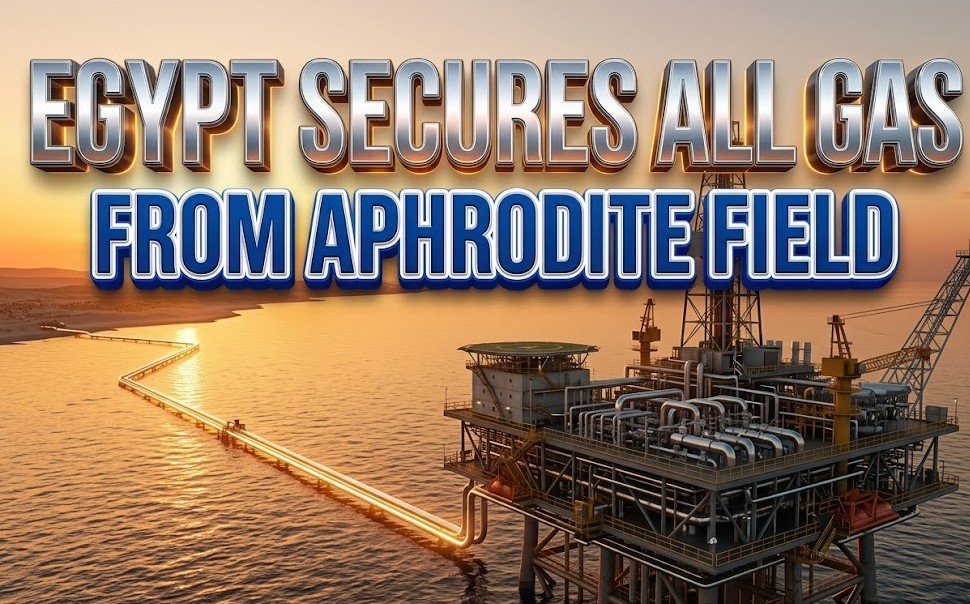
The partners also agreed on a framework to build a gas transmission system off Egypt Mediterranean coast. This includes plans for a new company called Aphrodite Midstream Co. to handle the infrastructure in Egypt. Reports point to a possible subsea pipeline stretching roughly 280 kilometers to connect with Egyptian processing facilities near Port Said.
Industry watchers see this as a practical solution that avoids some of the delays that have slowed Aphrodite development for years. The field sits in Cyprus Block 12, about 170 kilometers offshore from Limassol. It was the island first major gas discovery back in 2011.
Why Egypt Needs More Gas Supplies Right Now
Egypt domestic natural gas demand keeps climbing, driven by population growth, expanding industry, and heavy use in power generation. The country shifted from net exporter to net importer in recent years as output from mature fields declined, even with big finds like Zohr.
This Aphrodite commitment provides a reliable future source exactly when Egypt needs it most. The gas can feed local power plants and industries while leaving room for Egypt to continue exporting liquefied natural gas to Europe.
Recent exploration successes, including a significant 2 trillion cubic feet discovery by Eni and BP in the Temsah concession just days ago, show Egypt is boosting its own resources. Yet long term planning requires imported volumes too. Analysts say securing foreign supplies like Aphrodite helps stabilize prices and avoid shortages during peak summer demand.
The deal also reduces potential heavy reliance on any single supplier. Egypt already imports some gas from Israel, but diversifying sources adds important flexibility to its energy strategy.
Aphrodite Field Holds Strong Potential
Estimates put Aphrodite contingent resources at around 3.6 to 3.67 trillion cubic feet in the best case, with some assessments ranging higher. That volume could support steady production for decades once development ramps up.
The field lies in relatively deep waters but benefits from proximity to existing regional infrastructure. Development costs have been estimated between 2.5 and 3.5 billion dollars in past planning. Partners are now advancing front end engineering to reach a final investment decision.
For Cyprus, this represents a big economic step forward. The island has waited over a decade to produce its first commercial gas. Revenues from the field could bring billions into state coffers over the project life while creating jobs in engineering, logistics, and support services.
- Chevron leads operations with technical expertise from similar deepwater projects
- Shell brings global LNG experience for processing and export stages
- NewMed Energy provides regional knowledge from Eastern Mediterranean developments
The arrangement allows Cyprus gas to reach markets faster through Egypt existing LNG terminals rather than building new expensive facilities on the island.
Pipeline Plans Strengthen Regional Energy Links
The transmission framework agreement builds on a broader cooperation pact signed between Egypt and Cyprus at the EGYPES 2026 energy conference in late March. That earlier deal set the stage for joint work on gas development and sales.
Gas from Aphrodite would flow by pipeline to Egypt, get processed or liquefied, and then serve either domestic needs or get shipped abroad as LNG. This setup turns Egypt into a key processing and trading hub for Eastern Mediterranean gas.
Such integration could encourage further projects, including potential supplies from Cyprus other fields like Cronos. It also sends a positive signal to investors about stability in the region despite occasional geopolitical tensions.
Energy experts note that linking resources across borders makes economic sense in the Eastern Mediterranean, where fields are close but individual markets vary in size. Egypt large population and industrial base provide a natural anchor buyer, while its LNG plants offer export routes to Europe seeking reliable non Russian supplies.
What The Deal Means For Energy Security
This agreement highlights how countries in the region are finding practical ways to work together on shared challenges. Egypt gains supply certainty during a period of growing needs. Cyprus gains a clear commercial path for its resources. Both sides deepen economic ties that can support wider stability.
Production is still years away, so success will depend on timely development, regulatory approvals, and steady investment. Yet the early commitment from Egypt removes a major uncertainty for the Aphrodite partners.
As global energy markets stay volatile, deals like this one show the value of regional partnerships. They help nations balance domestic needs with export ambitions while building resilience against supply disruptions.
The story of Aphrodite gas flowing to Egypt reminds us how energy connects neighbors in ways that go beyond simple trade. It points to a future where shared resources support growth on both sides of the Mediterranean.
What are your thoughts on this Egypt Cyprus energy partnership? Does it strengthen the region or raise new questions about resource flows? Drop your comments below and share with friends who follow energy developments.