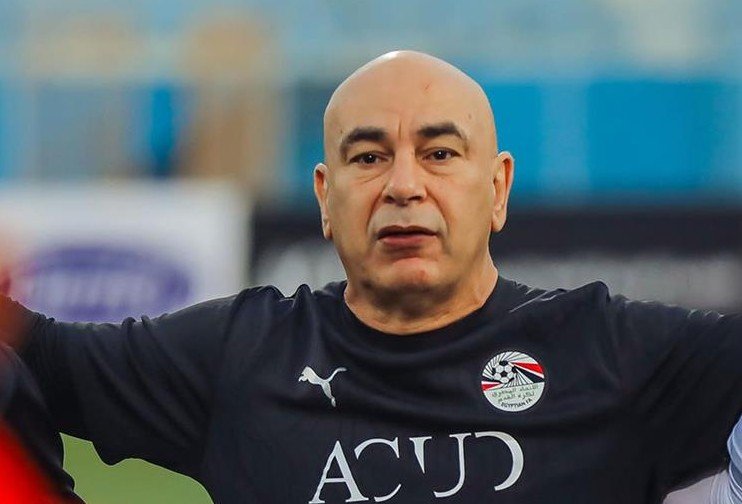
Egypt national team coach Hossam Hassan sparked debate on Monday by arguing that the Africa Cup of Nations should return to its every-two-years schedule to benefit European clubs. Speaking after his team’s group stage success in Morocco, Hassan highlighted how the change could ease player scheduling conflicts amid growing tensions between African football and top European leagues.
This comes just days after the Confederation of African Football announced a shift to hosting the tournament every four years, ending a long tradition that started in 1957. Hassan’s comments add fuel to ongoing discussions about balancing international duties with club demands, especially as African stars like Mohamed Salah shine in Europe.
Hassan’s Bold Stance on Tournament Frequency
Hassan made his views clear in a post-match press conference following Egypt’s 0-0 draw with Angola. He insisted that a biennial format would align better with European league calendars, reducing disruptions for clubs that rely on African talent.
The coach pointed out that many top players split time between national teams and clubs in leagues like the English Premier League and Bundesliga. By spacing tournaments closer together, he argued, it could create more predictable release windows for players.
Recent data shows that over 200 African players compete in Europe’s top five leagues, with Egypt alone contributing stars like Salah at Liverpool and Omar Marmoush at Manchester City. Hassan’s push reflects frustrations from past AFCON editions, where mid-season timing led to club complaints about player fatigue and injuries.
Experts note that the every-four-years model mimics the FIFA World Cup, but Hassan believes it overlooks Africa’s unique football ecosystem. He urged African football leaders to prioritize the continent’s interests without bowing to external pressures.
Why European Leagues Could Benefit
A biennial AFCON might seem counterintuitive at first, but Hassan explained it could streamline international breaks. European clubs often lose key players for weeks during the tournament, impacting title races and cup competitions.
For instance, the current 2025 AFCON in Morocco has already forced clubs to release players amid busy holiday schedules. A two-year cycle, Hassan suggested, would allow for better planning and potentially shorter absences if formatted efficiently.
- Reduced mid-season disruptions: Clubs could prepare rosters knowing AFCON happens more frequently but with less buildup hype.
- Improved player welfare: More regular tournaments might encourage better recovery protocols between events.
- Economic gains: European leagues could negotiate stronger broadcast deals with consistent African content.
This view contrasts with CAF’s recent decision, driven by calls for player rest and alignment with global calendars. Yet, some analysts agree with Hassan, citing how frequent events keep African football vibrant and marketable.
Egypt’s Strong Run Under Hassan
Since taking over in early 2024, Hassan has transformed Egypt into a formidable side. The Pharaohs topped Group B unbeaten, securing seven points with wins over South Africa and Zimbabwe, plus the draw against Angola.
This marks a turnaround from recent disappointments, including an early exit in the 2023 AFCON. Hassan’s tactics emphasize balance, blending experienced players with young talents.
His credentials as Egypt’s all-time leading scorer with 69 goals add weight to his leadership. Fans praise his no-nonsense approach, which has Egypt eyeing their first title since 2010.
| Key Egypt Stats in 2025 AFCON Group Stage | Details |
|---|---|
| Points Earned | 7 |
| Goals Scored | 4 |
| Goals Conceded | 2 |
| Unbeaten Streak | 3 matches |
| Top Scorer | Omar Marmoush (2 goals) |
Hassan’s success bolsters his voice in debates like the AFCON schedule. As Egypt advances to the last 16, they remain confident against any opponent.
Broader Implications for African Football
The shift to a four-year cycle aims to reduce player burnout, but critics like Hassan worry it diminishes AFCON’s prestige. African nations have long battled for respect from global bodies, and this change could limit exposure for emerging talents.
Recent events, such as the 2022 World Cup where African teams impressed, show the continent’s rising profile. A biennial format might boost that momentum, attracting more investment and sponsorships.
However, European clubs push back, citing overloaded schedules. FIFA’s involvement could be key, as they regulate international windows.
Hassan called for FIFA to respect African football, echoing sentiments from other coaches. This debate ties into larger issues, like the expanded Club World Cup set for 2025, which also strains player availability.
Player Perspectives and Future Outlook
Stars like Salah have faced club-country conflicts before, missing key matches due to international calls. Hassan mentioned preparing his squad for such challenges, including a recent friendly against Nigeria.
Many players support a format that minimizes clashes. For example, data from the 2023 AFCON showed over 30 injuries linked to the tournament’s demands.
Looking ahead, CAF’s decision isn’t final, and pressure from figures like Hassan could spark revisions. The 2025 edition in Morocco continues, with Egypt’s progress keeping the spotlight on their coach’s advocacy.