Egypt has launched a high‑stakes diplomatic push to prevent the widening war between the United States, Israel and Iran from engulfing the Middle East, warning that continued fighting could trigger devastating humanitarian, economic and security fallout. President Abdel Fattah el‑Sisi has called on leaders across the region to dial down tensions and pursue dialogue before the conflict spirals beyond control. The stakes could not be higher, with ripple effects already felt far beyond the battlefield.
Egypt’s Warning: Preventing Wider War and Regional Collapse
In powerful remarks at a major Ramadan gathering in Cairo, President Sisi said the Middle East is at a “historic crossroads,” urging immediate efforts to halt military escalation between Iran and the U.S.‑Israel alliance. Egypt’s leader stressed that ongoing strikes and counter‑attacks could unleash serious consequences for millions of people and disrupt the entire region if left unchecked.
At the heart of Sisi’s message is a stark warning about the humanitarian cost of war. Hospitals, schools and civilian infrastructure are already under pressure from hostilities, and Sisi argued that continued escalation would only deepen human suffering. He emphasized that diplomacy must lead the way, rather than further bombardment.
Urgent Diplomacy With Arab Partners and Regional Leaders
Egypt has not confined its message to speeches. Cairo is actively consulting with Gulf states and other Arab capitals to coordinate a response to the crisis. High‑level phone calls between Sisi and leaders such as the president of the United Arab Emirates underline efforts toward collective de‑escalation and “dialogue and diplomacy” to avoid a broader conflict.
Officials in Cairo are also pushing for stronger security cooperation across the Arab world. This includes advocating for the activation of a Joint Arab Defense framework that could improve coordination and deter further regional spill‑over. Egyptian foreign authorities have highlighted that such cooperation could help reduce political tensions and prevent attacks that target civilian populations in Gulf states hosting international assets.
Behind these diplomatic moves lies a broader economic concern. Egypt’s economy, heavily dependent on trade and tourism revenues, is vulnerable to disruptions caused by regional instability. The Suez Canal, a cornerstone of global commerce, could be affected if tensions escalate further, threatening shipping routes and investment flows.
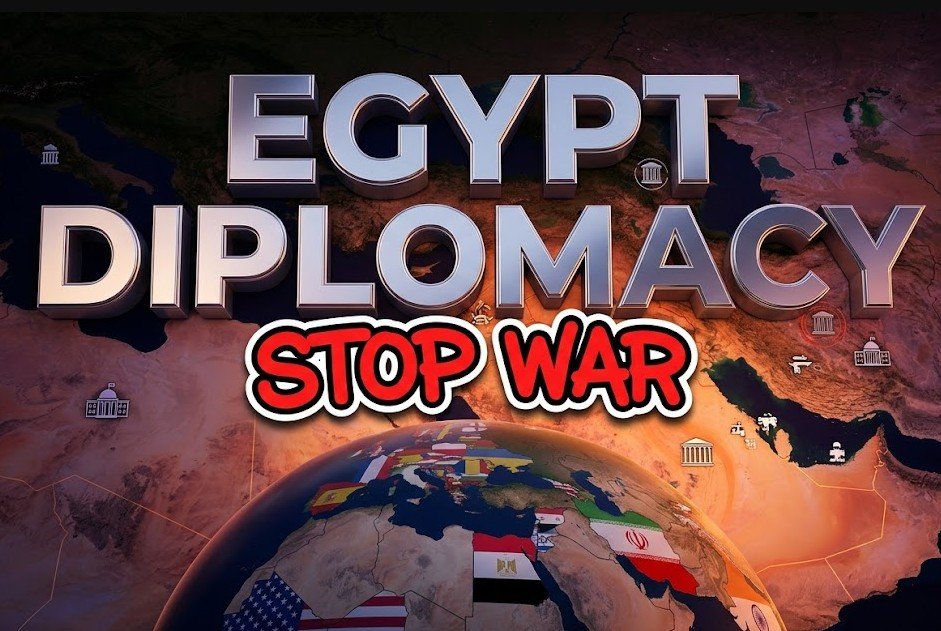
Egypt has also worked with partners like Oman and Turkey on early mediation efforts with Tehran, seeking to open channels for negotiation and conflict reduction. These back‑channel talks, while not publicly detailed, reflect Cairo’s strategic desire to balance ties with different regional powers and promote a solution that keeps war at bay.
The Widening Conflict: More Than a Localised War
The current crisis grew out of an intense military campaign launched in early 2026 after U.S. and allied strikes hit Iranian nuclear and military infrastructure amid mounting concerns over Tehran’s nuclear ambitions. What was initially a targeted move has evolved into broader hostilities, with aerial attacks, missile launches and drone incidents across the Gulf and beyond.
Iran’s retaliatory strikes have targeted bases and assets across the region, including Gulf states hosting Western troops. At the same time, Israel has conducted operations beyond its borders, bringing Lebanon and other theatres into the turmoil and displacing hundreds of thousands of people.
The military escalation is already creating secondary crises. Gulf nations report frequent drone intercepts and missile alerts. The critical Strait of Hormuz, through which nearly a fifth of the world’s oil flows, has seen intermittent maritime threats, pushing global energy prices higher and reverberating through international markets.
Even within the United States, political discussions are shifting. Some senior advisers and public figures within Washington have openly called for an end to military engagement, emphasizing that a prolonged war could have unintended consequences domestically and abroad.
Economic Fears and Global Impact
The conflict’s potential to disrupt global stability extends well beyond the region. With oil prices surging past key thresholds and disruptions to trade routes threatening supply chains, economists warn that prolonged fighting could trigger inflationary pressures worldwide and slow economic growth. Countries reliant on Gulf energy sources and shipping lanes are already bracing for impacts.
Closer to Egypt’s own borders, the economy is feeling the strain too. Tourist numbers have dipped, and foreign investment has become more cautious. For a nation striving to recover from years of economic reform and external shocks, further instability could hinder progress and undermine public confidence.
Rising Voices for Peace and De‑Escalation
Despite the heavy focus on military confrontation, there are growing calls among global voices for restraint. Some policymakers and commentators urge leaders to seek ceasefire agreements and return to negotiation tables, highlighting the need to protect civilian lives and avert a full‑scale regional war.
These voices warn that political aims pursued at the expense of humanitarian cost could backfire, fostering long‑term insecurity that would be harder to manage. As tensions reach a point that could redraw regional alliances and relationships, the emphasis on diplomacy is gaining traction in public discourse.
Egypt’s diplomatic activism reflects this broader sentiment. By promoting dialogue, coordinating with Arab partners and calling for diplomatic solutions, Cairo aims to act as a stabilizing force amid one of the most volatile chapters in Middle Eastern history.
In a moment marked by fear and uncertainty, Egypt’s message is clear: war will bring suffering to all, but diplomacy can still save millions of lives and secure a more stable future for the region and the world.
We want to hear from you. What do you think is the most realistic path to peace in the Middle East right now? Share your views in the comments below.