
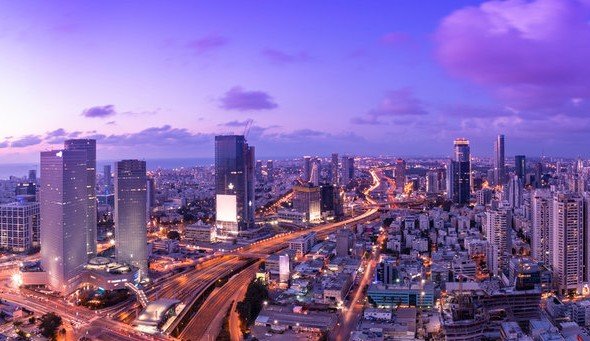
A bold new project called Vertical City is set to change the face of Tel Aviv’s urban landscape. Designed by DLF Architecture, this mixed-use development in Ramat Gan features three interconnected towers that blend homes, offices, shops, and green spaces into a single vertical structure.
Project Overview and Design Features
Vertical City stands out as a fresh take on city living in Israel’s bustling central business district. The plan calls for towers reaching up to 470 meters tall across 111 floors, making it one of the nation’s highest builds. DLF Architecture teamed up with landscape experts and engineers to create a space that feels like a self-contained community.
This setup includes apartments for rent, student housing, workspaces, and public areas. A key highlight is the vertical park system, often called a green waterfall, which runs from the ground up through the buildings. It connects different levels with plants, paths, and open spots for people to gather.
The towers link together, allowing easy movement between sections. This design aims to cut down on travel time within the city by putting everything close at hand. Recent updates show the project gained building permits in late 2025, with construction starting soon after.
Planners drew inspiration from Tel Aviv’s mix of old and new styles, including its famous Bauhaus buildings. The result is a modern twist that fits into the area’s growing skyline while adding green elements to fight urban heat.
Construction Timeline and Progress
Work on Vertical City kicked off in September 2025, marking a big step for Ramat Gan’s Diamond Exchange district. The main tower will hit 72 floors, focusing on rental homes for young families and dorms for students. Crews have begun site prep, with full building expected to ramp up this year.
Delays from earlier planning stages pushed the start, but now things move forward. Experts predict completion around 2030, based on similar high-rise projects in the region. Local officials praise it for boosting housing options in a crowded market.
Recent reports note that foundation work is underway, with safety checks in place to handle the area’s busy traffic. The project ties into broader city improvements, like the new Tel Aviv metro system that broke ground last year.
This development joins other tall structures reshaping the skyline, such as the Spiral Tower set for 2027 and various residential blocks in nearby areas.
- Key milestones so far: Building permits issued in 2025, initial excavation complete by early 2026.
- Upcoming phases: Structural framing to start mid-2026, with exterior work following in 2027.
- Challenges addressed: Seismic reinforcements added due to regional risks, ensuring stability for all floors.
Impact on Local Economy and Community
Vertical City promises to spark economic growth in Ramat Gan. It will create thousands of jobs during construction and more in retail and services once open. The mix of uses could draw businesses and tourists, pumping money into the local scene.
For residents, it offers affordable living options amid rising housing costs. Student dorms aim to support nearby universities, while family apartments include perks like shared gardens and play areas.
On the flip side, some locals worry about increased traffic and shadows from the towers. City planners have held meetings to address these concerns, promising better public transport links.
A table below outlines the expected benefits:
| Aspect | Details | Projected Impact |
|---|---|---|
| Jobs | Over 5,000 construction roles, 2,000 permanent | Boosts employment in building and hospitality |
| Housing | 1,500+ units for rent | Eases shortage for young people and families |
| Green Space | 10,000 square meters of vertical parks | Improves air quality and community health |
| Economy | $500 million investment | Increases local GDP by 2-3% over five years |
This setup could serve as a model for other cities facing space limits.
Environmental and Sustainability Aspects
Sustainability sits at the heart of Vertical City. The green waterfall not only looks good but also helps with cooling and biodiversity. Solar panels and rainwater systems will cut energy use by up to 30 percent.
Designers focused on low-carbon materials and efficient layouts to reduce waste. This aligns with Israel’s push for green building standards, seen in recent laws from 2024.
Compared to older projects, this one scores high on eco-ratings, potentially earning top certifications. It also ties into national goals for cutting emissions by 2030.
Broader Urban Development Trends
Tel Aviv and Ramat Gan see a wave of high-rise projects as the population grows. Vertical City fits into this trend, following builds like the Port TLV and Arsuf cliffs developments.
Experts say such vertical cities could solve housing crunches in dense areas worldwide. In Israel, this comes amid infrastructure upgrades, including the metro expansion announced in 2025.
Looking ahead, similar designs might pop up in other cities, blending tech with nature for better living.
Share your thoughts on how Vertical City could change urban life. Comment below or spread the word to start a conversation.
