Canada has joined a growing group of countries urging Israel to guarantee the continued flow of humanitarian aid into Gaza after reports that dozens of international aid organisations face suspension from operating in the territory. The issue has raised fresh concerns about access to food, health care, and basic services for civilians as the humanitarian situation remains dire.
The call comes amid reports that Israel plans to bar more than two dozen humanitarian organisations from Gaza starting January, following the introduction of stricter vetting rules for international groups.
Canada seeks clarity on aid groups facing suspension
A spokesperson for Global Affairs Canada said Ottawa is seeking further information about the status of Canadian aid organisations potentially affected by the move.
Media reports indicate that Oxfam Quebec is among a list of thirty seven organisations that may be prevented from working in Gaza if they fail to meet the new requirements set by Israeli authorities.
Canadian officials said they do not yet have confirmation on whether Oxfam Quebec has been formally suspended, but stressed that Canada remains concerned about the broader implications for humanitarian access.
List includes major international aid organisations
According to reports, several prominent international organisations are included on the list, including Doctors Without Borders, Action Against Hunger, and Oxfam Novib.
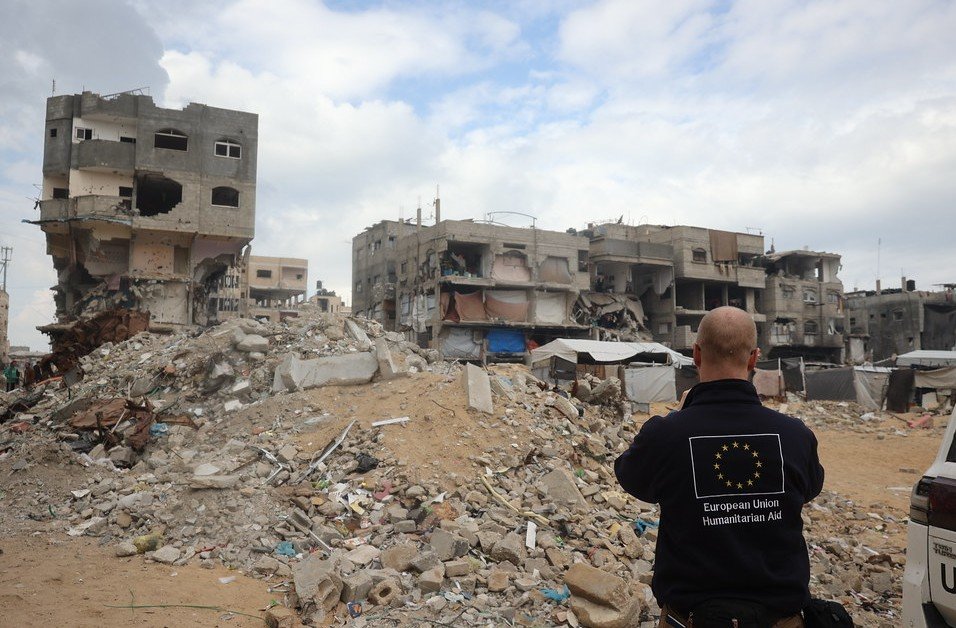
Israel’s Coordinator of Government Activities in the Territories, known as COGAT, said the organisations affected account for less than one percent of the total humanitarian aid entering Gaza.
Humanitarian groups argue that even a limited number of suspensions could disrupt operations on the ground, where aid delivery depends on coordinated networks rather than isolated actors.
Joint international warning over impact on civilians
In a joint statement, the foreign ministers of Canada, Denmark, Finland, France, Iceland, Japan, Norway, Sweden, Switzerland, and the United Kingdom called on Israel to ensure international non governmental organisations can operate in Gaza in a sustained and predictable manner.
The ministers warned that deregistering international NGOs could force the closure of aid operations in both Gaza and the West Bank within sixty days, sharply reducing access to essential services.
They said the impact on health care would be severe, with warnings that one in three medical facilities in Gaza could shut down if international aid operations are halted.
Health care and food aid at risk
Aid officials say international NGOs play a critical role in delivering emergency medical care, food assistance, and clean water to Gaza’s population. With infrastructure already damaged and supply chains fragile, any reduction in operational capacity could worsen humanitarian conditions.
Hospitals and clinics in Gaza rely heavily on international support for medicines, equipment, and staffing. Aid agencies have repeatedly warned that disruptions, even temporary ones, can have lasting consequences for vulnerable communities.
Israel cites new vetting requirements
Israeli authorities say the suspensions stem from new compliance and vetting rules for international organisations operating in Gaza. Officials argue the measures are intended to ensure transparency and security in aid delivery.
However, humanitarian groups and several governments have expressed concern that the process lacks clarity and could be applied unevenly, creating uncertainty for organisations already working under difficult conditions.
Diplomatic pressure likely to continue
Canada and its partners have made clear they expect Israel to address their concerns quickly. Diplomats say maintaining humanitarian access is essential to preventing further deterioration in living conditions for civilians.
As the January deadline approaches, discussions between governments, aid agencies, and Israeli officials are expected to intensify in an effort to avoid disruptions to life saving assistance.
What do you think should be done to ensure aid reaches civilians while addressing security concerns? Share your views and join the conversation.