
Cairo’s historic Egyptian Museum in Tahrir Square is struggling to keep its spot on the tourist map after the Grand Egyptian Museum opened on November 1, 2025. With the new museum drawing massive crowds and showcasing star attractions like Tutankhamun’s treasures, experts worry the old site could fade into obscurity without quick changes.
Grand Egyptian Museum Steals the Spotlight
The Grand Egyptian Museum, often called GEM, has quickly become Egypt’s top draw for history fans and tourists. Located near the Giza Pyramids, this massive facility spans an area the size of 70 football fields and holds over 100,000 artifacts from ancient Egypt.
Built over 30 years at a cost of $1.2 billion, GEM opened with great fanfare, attended by world leaders and royals. It features cutting-edge displays, including the full Tutankhamun collection shown together for the first time. Visitors praise its clean spaces, modern tech, and easy access.
In just weeks, GEM has seen record-breaking crowds. Daily visitor numbers hit up to 18,000, forcing managers to add online booking to control the flow. This surge ties into Egypt’s push to boost tourism, a key part of its economy hit hard by recent global events.
Tourism officials say GEM could attract five million visitors a year. That’s a big jump from pre-opening estimates, thanks to its location and fresh exhibits. Early data shows a mix of international and local guests, with foreigners making up about 60 percent.
Old Egyptian Museum Sees Sharp Drop in Visitors
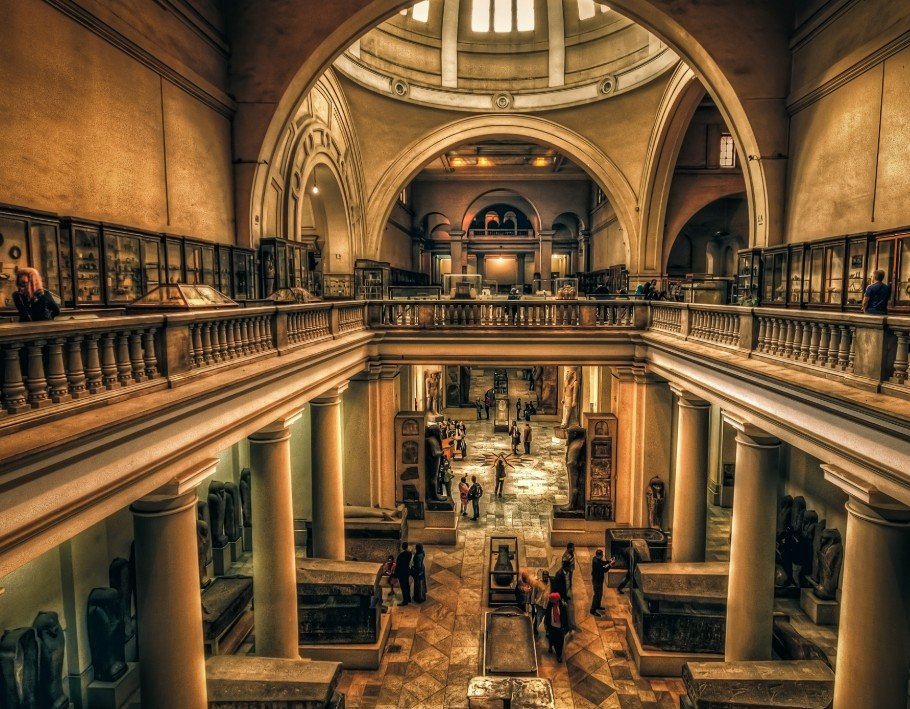
The original Egyptian Museum, opened in 1902 in Cairo’s busy Tahrir Square, once drew millions with its vast collection. Now, after GEM took many top items like Tutankhamun’s gold mask and coffins, foot traffic has plummeted.
On recent visits, the museum had only 200 to 300 people inside, compared to the thousands it used to see daily. Tour buses that packed its entrance are now rare, and nearby shops and cafes sit empty.
This pinkish building, known for its marble floors and classic design, still holds gems like the artifacts of Psusennes I. But without the big-name draws, it risks becoming a quiet spot mainly for school groups and locals.
Experts point out that the museum’s central location in Cairo could still be a plus. Yet, without updates, it might not compete with GEM’s sleek vibe and pyramid views.
Some visitors note the old museum’s charm in its crowded, old-school displays. One recent traveler called it a “time capsule” that feels more real than the polished new site.
Visitor Trends and Popularity Comparison
Data from 2025 shows a clear shift in tourist patterns. GEM’s opening has pulled focus, but the old museum isn’t out yet.
Here’s a quick look at key differences:
- Location: GEM sits near Giza Pyramids for easy day trips; old museum is in central Cairo amid city life.
- Size and Artifacts: GEM boasts 100,000+ items in modern halls; old site has about 120,000 but in a smaller, older space.
- Ticket Prices: GEM starts at $30 for foreigners, $10 for locals; old museum is cheaper at $10 for all.
- Daily Visitors: GEM averages 15,000+; old museum now under 1,000.
A table below compares recent trends based on tourism reports:
| Aspect | Egyptian Museum (Tahrir) | Grand Egyptian Museum (GEM) |
|---|---|---|
| Opening Year | 1902 | 2025 |
| Peak Daily Visitors | 5,000 (pre-2025) | 18,000 (November 2025) |
| Main Attractions | Royal mummies, lesser-known kings | Tutankhamun full collection, giant statues |
| Annual Projections | 500,000 | 5 million |
| Economic Impact | Local Cairo boost | National tourism revenue |
These numbers highlight GEM’s edge in scale and buzz. Social media posts show excitement for GEM, with many calling it a “must-see” over the old spot.
Challenges and Controversies in Ticketing
GEM’s popularity has sparked issues. Critics say its ticketing favors foreign tourists, with quotas that limit locals during peak times. This has led to calls from politicians for fair access.
One lawmaker demanded changes, arguing Egyptians should not feel like second-class visitors in their own history site. Museum officials defend the system as a way to manage crowds and boost foreign cash flow.
The old museum avoids such drama with simple entry. But it faces its own hurdles, like outdated facilities and less marketing.
Tourism experts suggest rebranding the Tahrir site as a cultural hub with events and workshops. This could draw families and students, keeping it alive.
Economic Impact on Egypt’s Tourism
Egypt’s tourism sector, worth billions, stands to gain from GEM. Officials see it as a job creator and revenue driver, especially after years of setbacks from pandemics and regional unrest.
In 2025, visitor numbers to Egypt rose 20 percent year-over-year, largely due to GEM. This helps the economy, which relies on tourism for about 12 percent of GDP.
The old museum could still play a role by focusing on niche tours or education. Some predict a “two-museum” strategy where visitors see both for a full experience.
Analysts warn that ignoring the old site could hurt Cairo’s local economy. Shops and guides around Tahrir Square report slower business since GEM opened.
Future Outlook for Both Museums
Looking ahead, both museums might coexist if managed well. GEM handles the big crowds and global appeal, while the old one offers a more intimate look at history.
Plans include moving more artifacts back or creating joint tickets. This could encourage tourists to visit both, spreading the wealth.
Experts believe quick action is key for the Tahrir museum. Adding interactive exhibits or tying into Cairo’s vibrant scene might revive interest.
In the end, Egypt’s rich past gives room for multiple spots. The challenge is balancing the new shine with old charm to keep all visitors coming.
What do you think about the rivalry between these two museums? Share your thoughts in the comments and pass this article along to fellow history buffs.
