Cairo International Airport launched emergency plans on January 5, 2026, to manage a wave of diverted flights caused by a sudden shutdown of Greek airspace. The closure stemmed from a major technical glitch in air traffic control systems, forcing airlines to reroute and land in safe spots like Cairo to protect passengers and crews.
This event disrupted thousands of travelers across Europe and the Middle East, highlighting vulnerabilities in global aviation networks. Officials in Cairo worked quickly to handle the influx, ensuring smooth operations amid the chaos.
Greek Airspace Shutdown Sparks Chaos
Greece closed its entire airspace on January 4, 2026, due to a failure in radio communication frequencies within the Athens Flight Information Region. This forced all takeoffs and landings to halt, emptying the skies over the country.
The issue began early that Sunday, escalating fast and affecting holiday travelers on the last weekend of the season. Air traffic controllers lost key tools for guiding planes, leading to widespread cancellations and delays.
Reports from aviation authorities noted that only flights already airborne could land manually under strict safety protocols. Neighboring countries felt the ripple effects, with airports in Turkey, Cyprus, and Egypt stepping in as alternatives.
Experts point to similar past incidents, like the 2023 Greek air traffic strike that canceled hundreds of flights, showing ongoing challenges in the region’s infrastructure.
Cairo Steps Up with Emergency Measures
Cairo International Airport raised its alert level and activated contingency plans to accommodate the diverted aircraft. Teams coordinated across operations, security, and services to process incoming flights without major disruptions.
The airport received planes from Saudi Arabian, Jordanian, and Algerian carriers that were headed to Europe but could not cross Greek airspace. One flight even turned back to its origin as a precaution.
Officials emphasized that these steps followed international aviation standards, prioritizing safety above all. The crisis management center monitored the situation in real time, adjusting resources as needed.
This response builds on Cairo’s experience with past emergencies, such as handling diversions during the 2024 Middle East airspace restrictions amid regional tensions.
Affected Airlines and Passenger Impact
Airlines faced tough choices, rerouting paths through Egypt and Saudi Arabia to avoid the closed zone. Passengers reported long delays, missed connections, and uncertainty about rescheduling.
For instance, flights from the Middle East to major European hubs like Athens and Milan were hit hard. Some travelers ended up stranded in Cairo, waiting for updates.
To illustrate the scale, here is a quick look at key impacts:
- Saudi Airlines: Several Europe-bound flights diverted to Cairo, affecting over 500 passengers.
- Jordanian Carriers: Routes to Italy and Germany rerouted, leading to overnight stays for crews.
- Algerian Services: Flights to France halted mid-journey, with passengers offered hotel vouchers.
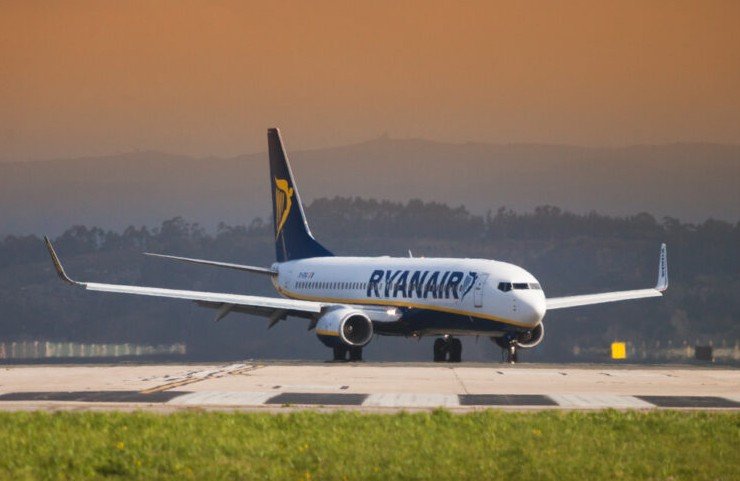
- Other Operators: Low-cost airlines like Ryanair saw cancellations at Italian hubs linked to the Greek issue.
These disruptions added to the stress of post-holiday travel, with many sharing stories of frustration on social media.
Airlines are now working to resume normal schedules, but experts warn that full recovery could take days.
Broader Effects on Global Travel
The Greek closure exposed risks in interconnected air routes, especially for the busy Europe-Middle East corridor. It comes amid a rise in technical failures worldwide, including recent U.S. airspace curbs in the Caribbean after security threats in 2026.
Economically, airports like Cairo gained from the extra traffic, but airlines lost millions in fuel and operational costs. Tourism in Greece, already recovering from pandemic lows, faces setbacks as visitors delay trips.
Safety advocates call for better backup systems, noting that climate events and cyberattacks have caused similar issues in the past year. For example, a 2025 cyber incident in Italy briefly shut down Milan airports, prompting global reviews.
| Event Timeline | Date and Time | Key Details |
|---|---|---|
| Initial Failure | January 4, 2026, Early Morning | Radio systems fail in Athens FIR, airspace closes. |
| Diversions Begin | January 4, 2026, Midday | Flights reroute to Cairo and other nearby airports. |
| Cairo Activation | January 4, 2026, Afternoon | Emergency plans start, handling first arrivals. |
| Partial Resumption | January 5, 2026, Morning | Some Greek flights resume, but delays persist. |
| Ongoing Monitoring | January 5, 2026, Ongoing | Authorities assess full restoration timeline. |
This table shows how quickly the situation unfolded and the steps taken in response.
Path to Resolution and Future Precautions
Greek officials announced partial resumption of flights by January 5, 2026, as technicians worked on fixes. Efforts continue to restore full operations, with updates expected soon.
In Cairo, airport leaders praised the team’s efficiency and vowed to review procedures for better preparedness. International bodies like the International Civil Aviation Organization may investigate to prevent repeats.
Travelers are advised to check flight statuses and consider flexible bookings amid such uncertainties.
What do you think about this aviation disruption? Share your thoughts in the comments below or on social media to join the conversation.