BP has made a fresh offshore gas discovery in Egypt’s Eastern Mediterranean. The find comes at a time when the country is pushing hard to boost its energy output and meet rising domestic needs. This success points to quicker development thanks to nearby facilities and strengthens ties between major energy players and Egypt.
The announcement highlights ongoing efforts to unlock more resources in a key region for global gas supply.
Discovery Details Emerge
The discovery stems from the successful drilling of the Denise West-1 exploration well in the Temsah Concession. Eni announced initial results on April 7, 2026, with BP confirming details shortly after. Early estimates suggest around 2 trillion cubic feet of gas initially in place along with about 130 million barrels of associated condensates.
The reservoir features high quality gas bearing sandstone. Reports indicate a gross interval of roughly 90 meters with about 50 meters of net pay in some assessments. It shares strong similarities with the nearby Temsah and Akhen fields that have produced gas steadily since 2001.
Key Facts About the Find
- Located 70 kilometers offshore
- Water depth around 95 meters
- Less than 10 kilometers from existing infrastructure
- High quality sandstone reservoir
- Fast track development potential
This marks BP’s second exploration success in Egypt this year. The company reported 12 discoveries globally in 2025 showing strong momentum in its upstream work.
Strategic Location Speeds Up Plans
The well sits in shallow waters close to proven production areas. That proximity could cut years off the timeline to first gas. Operators can tie the new find into current platforms and pipelines with less new build work needed.
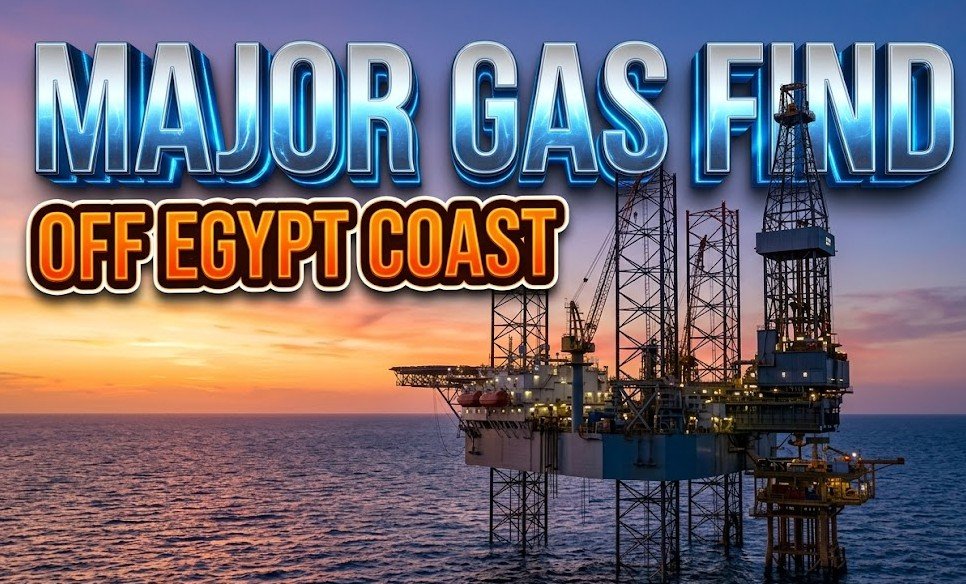
Eni operates the Denise Development Lease through Petrobel, its joint venture with the Egyptian General Petroleum Corporation. BP holds a 50 percent working interest alongside Eni’s matching stake. This setup has worked well for years in the concession.
The discovery follows a binding framework agreement signed in July 2025. That deal extended the Temsah Concession for another 20 years. The renewal gives both companies and Egypt long term certainty to invest confidently.
BP Deepens Commitment to Egypt
BP has operated in Egypt for more than 63 years. The British energy major continues to expand its footprint through partnerships with Egyptian authorities and Eni.
Earlier in 2026 BP picked up two new offshore exploration blocks in the Eastern Mediterranean. The North East El Alamein block is 100 percent operated by BP. In the West El Hammad block BP holds 25 percent while Eni operates with 75 percent. Both areas sit near existing infrastructure raising hopes for efficient development.
Last month BP brought the advanced drilling rig DS-12 to Egyptian waters. The rig will drill five firm wells plus three optional ones in deepwater zones. These efforts support Egypt’s goal of lifting domestic gas production.
BP also signed for Block 6 in the Red Sea with the South Valley Egyptian Petroleum Holding Company. This move takes the company into a new frontier area with fresh potential.
The company plans to invest around 1.5 billion dollars in Egyptian gas exploration during the 2026-2027 fiscal year. That commitment covers multiple concessions across the Mediterranean and aims to help Egypt address its energy demand.
Egypt’s Energy Picture and Regional Role
Egypt ranks as the top gas producer in the Eastern Mediterranean. The country uses its two LNG plants at Idku and Damietta to process gas for domestic use and exports to Europe and beyond. Recent discoveries help counter natural declines in older fields and support stable supply.
The Eastern Mediterranean holds significant resources. New finds like this one add to reserves and create opportunities for jobs, technology transfer, and economic growth in coastal communities. They also strengthen Egypt’s position as a regional energy hub.
Global events continue to shape energy markets. Rising demand and supply concerns make reliable new sources valuable. This discovery arrives as Egypt works to balance domestic needs with export ambitions.
What Comes Next
Development teams will now analyze full well data and plan appraisal steps. Given the short distance to infrastructure, a tie-back project could move forward relatively quickly once approvals and final investment decisions clear.
The find boosts confidence in the Temsah area and surrounding blocks. It shows that targeted exploration near known plays still delivers results even after decades of activity.
For local workers and service companies the news means continued activity and potential new contracts. Egypt’s petroleum sector remains a major employer and revenue generator for the national economy.
This success reflects strong collaboration between international operators and Egyptian partners. EGPC and EGAS have created conditions that encourage investment while protecting national interests.
As more details emerge on reservoir performance and development concepts the industry will watch closely. Positive outcomes here could spark further drilling campaigns across the concession and nearby areas.
The story of this gas discovery reminds us how energy exploration connects nations, powers economies, and shapes daily lives. From rigs far offshore to homes and factories in Egypt and Europe the impact flows wide.