Underwater archaeologists have uncovered the wreck of a 2,000-year-old Egyptian pleasure boat off the coast of Alexandria. This exciting find, announced on December 8, 2025, sheds new light on luxury life in ancient times and matches descriptions from a famous Greek historian.
Discovery Sparks Global Interest
The European Institute for Underwater Archaeology led the team that found the boat. Divers located the hull in the sunken port area of Antirhodos Island, a spot lost to earthquakes and waves centuries ago.
This vessel measures over 115 feet long and about 23 feet wide. Experts say it dates back to the first century AD, based on Greek graffiti etched into its wood.
The announcement came just as interest in ancient Egypt surges, with recent films and exhibits drawing crowds. Social media buzzed with posts about the find, linking it to Alexandria’s rich past.
Teams have explored these waters since the 1990s. This boat stands out as the first of its kind ever recovered in Egypt.
Boat Matches Ancient Accounts
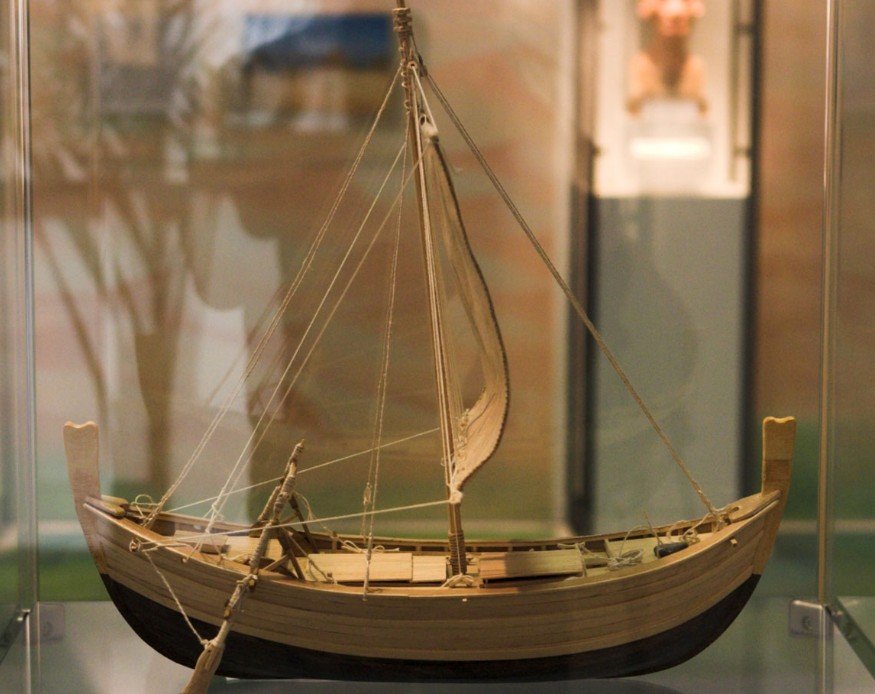
Historians point to writings by Strabo, a Greek visitor to Alexandria around 29 to 25 BC. He described grand pleasure boats used by elites for leisure on the Nile and nearby waters.
The wreck fits that picture perfectly. It likely carried nobles for hunts, parties, or ceremonies, showing off the wealth of Roman-era Egypt.
Experts analyzed the graffiti, which includes Greek script from the early first century. This detail ties the boat to Alexandria’s mix of Egyptian, Greek, and Roman cultures.
No other such vessel has turned up before, making this a rare gem. It confirms stories from ancient texts and art, like mosaics showing similar boats in action.
The find also connects to Alexandria’s founding by Alexander the Great in 331 BC. That event turned the city into a hub of trade, learning, and luxury.
Key Features of the Vessel
The boat boasted a fancy cabin for comfort during outings. Crews powered it with oars, suggesting it floated on calm waters rather than rough seas.
Divers noted sturdy construction, hinting at skilled builders in Alexandria’s shipyards. The size allowed room for guests, musicians, and perhaps even small feasts.
Here are some standout details from the discovery:
- Length: Over 115 feet, big enough for group events.
- Width: About 23 feet, providing stability on water.
- Propulsion: Oars only, no sails mentioned.
- Decor: Likely ornate, based on historical clues.
- Graffiti: Greek marks from the first century AD.
These elements paint a vivid scene of ancient fun. Imagine elites cruising with views of temples and palaces.
The wreck survived thanks to the seabed’s protective silt. That layer kept wood and markings intact for two millennia.
Insights from Experts
Franck Goddio, head of the institute, called it extremely exciting. He noted that ancient writers and images hinted at these boats, but none had been found until now.
Goddio’s team has mapped Antirhodos and its Temple of Isis over years. This boat adds to that story, revealing more about daily life in early Roman Egypt.
Other archaeologists agree on its value. It offers clues to religion, luxury, and trade in a bustling port city.
The discovery builds on past finds like statues and coins from the same area. Those items now sit in museums, drawing visitors worldwide.
Experts plan more dives to search for artifacts tied to the boat. They hope to learn about its final voyage and why it sank.
Ties to Broader Archaeology
Antirhodos vanished under waves after quakes hit in ancient times. Its rediscovery in 1996 opened doors to underwater treasures.
Nearby sites like Thonis-Heracleion have yielded sunken cities with temples and steles. These spots show how nature reshaped Egypt’s coast.
| Key Underwater Finds Near Alexandria | Year Discovered | Significance |
|---|---|---|
| Antirhodos Island | 1996 | Site of palaces and temples, now home to this boat wreck. |
| Thonis-Heracleion | 2000 | Sunken city with statues and inscriptions, linked to trade. |
| Ptolemaic Warship | 2021 | Military vessel showing defense tech of the era. |
| Greek Funerary Area | 2021 | Burial site revealing cultural mixes in ancient Egypt. |
This table highlights how the pleasure boat fits into a pattern of reveals. Each find pieces together Alexandria’s lost world.
Recent tech like sonar and drones aids these hunts. It makes spotting wrecks easier in murky depths.
What This Means for the Future
The boat could rewrite parts of history books. It shows pleasure crafts played big roles in social and religious events.
Museums may display pieces soon, boosting tourism in Egypt. Alexandria’s Greco-Roman Museum already holds related items.
Ongoing work might uncover more boats or clues to Cleopatra’s time, as she ruled from this city.
This find reminds us of Egypt’s enduring mysteries. As digs continue, expect more headlines from the deep.
Share your thoughts on this ancient discovery in the comments below. What other lost treasures do you hope archaeologists find next? Spread the word to fellow history fans.