
New York City’s Metropolitan Museum of Art has launched Divine Egypt, a major exhibition that dives into the wild family stories of ancient Egyptian gods. This show, open from October 12, 2025, to January 19, 2026, features over 250 artifacts and draws crowds eager to explore myths full of betrayal, power struggles, and surprising twists that feel oddly human.
Exhibition Sparks Fresh Interest in Egyptian Myths
Visitors flock to The Met for Divine Egypt, the museum’s first big ancient Egypt display in over a decade. Curators pulled together sculptures, reliefs, and sacred items from their vast collection, plus loans from around the world, to spotlight how Egyptians connected with their gods through art and rituals.
This timing aligns with a surge in public fascination for ancient lore, boosted by recent books, documentaries, and social media trends. People search for ways to understand these old tales in today’s chaotic world. The exhibition runs amid other cultural events, like new archaeological finds in Luxor that reveal more about temple rituals tied to these deities.
Experts note that myths helped ancient Egyptians make sense of life, death, and nature. For instance, the stories explain floods, harvests, and royal power. Attendees leave with a deeper grasp of how these narratives shaped one of history’s greatest civilizations.
Key Gods and Their Tangled Family Ties
At the heart of Egyptian mythology sits a divine family rife with drama. Gods like Osiris, Isis, and Horus form a core trio, but their relationships involve murder, resurrection, and revenge that rival modern soap operas.
Osiris, god of the afterlife, gets killed by his jealous brother Set, who chops him into pieces. Isis, his sister and wife, pieces him back together and revives him long enough to conceive Horus. This cycle of death and rebirth mirrors the Nile’s annual floods, vital for Egypt’s farming.
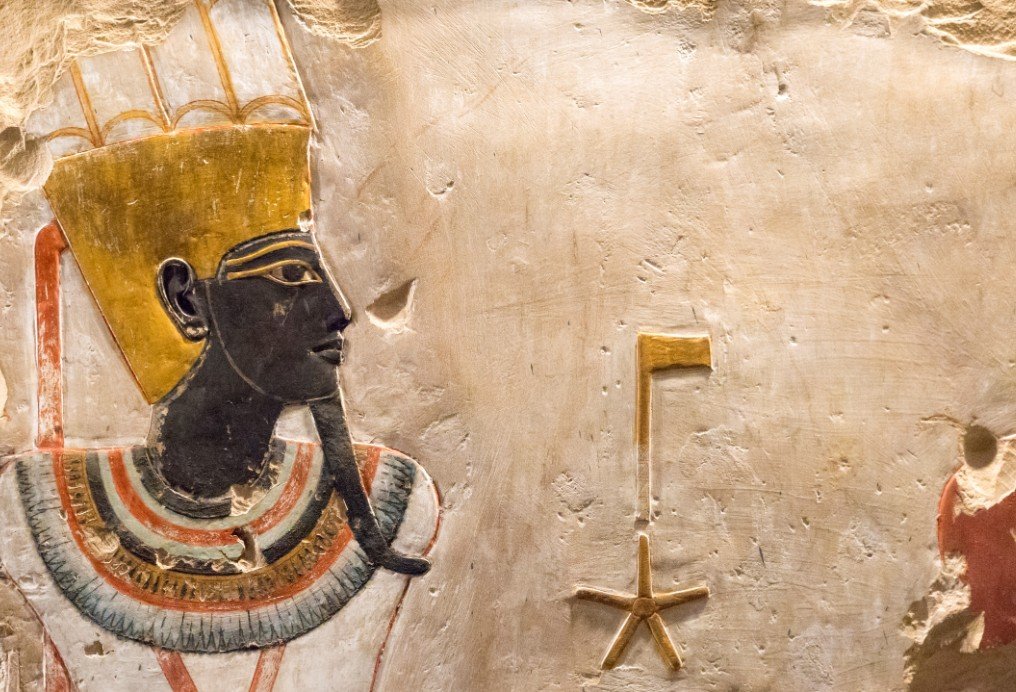
Other figures add layers. Amun-Re, a powerful sun god, merges aspects of creation and kingship. His wife Mut and son Khonsu complete a family unit worshipped in grand temples. These stories highlight themes of loyalty and betrayal that resonate today.
- Osiris: Ruler of the underworld, symbol of resurrection.
- Isis: Goddess of magic and motherhood, known for her protective spells.
- Set: God of chaos, often the villain in family conflicts.
- Horus: Falcon-headed avenger, who battles Set for the throne.
Murder, Incest, and Power Struggles Exposed
The exhibition doesn’t shy away from the messy side of these myths. Incest appears often, as gods marry siblings to keep divine bloodlines pure. For example, Nut and Geb, sky and earth deities, are siblings who birth the main gods despite their father Shu trying to separate them.
Murder fuels many plots. Set’s slaying of Osiris sparks a long feud, with Horus losing an eye in the fight. These tales served as moral lessons for ancient people, teaching about justice and order amid disorder.
Curators use artifacts to illustrate these events. A statue of Amun-Re protecting a young pharaoh shows divine endorsement of rulers, tying myths to real politics. Recent studies from 2025 digs confirm how pharaohs like Ramesses II invoked these stories to legitimize their reigns.
This focus on drama makes the show relatable. Viewers see parallels to current family issues or even celebrity scandals, turning ancient history into something fresh and engaging.
Artistic Wonders Bring Stories to Life
Divine Egypt shines through its stunning artworks. Monumental statues tower over visitors, while tiny figurines gleam with gold and jewels. These pieces blend beauty with function, used in temples to invoke gods’ presence.
One highlight is a gold statuette of Amun from around 945 to 712 BCE, capturing his majestic form. Reliefs depict dramatic scenes, like Isis nursing Horus, emphasizing themes of care amid turmoil.
The show spans 3,000 years, from the Old Kingdom to later periods. This range shows how myths evolved, adapting to new rulers and influences.
| Period | Key Gods Featured | Notable Drama |
|---|---|---|
| Old Kingdom (c. 2686-2181 BCE) | Re, early sun god | Creation myths with family origins |
| Middle Kingdom (c. 2050-1710 BCE) | Osiris rising in popularity | Murder and resurrection tales gain traction |
| New Kingdom (c. 1550-1070 BCE) | Amun-Re dominant | Epic battles between Horus and Set |
| Late Period (c. 664-332 BCE) | Blended deities | Foreign influences mix with traditional family feuds |
Why These Myths Still Matter Today
In 2025, with global events highlighting division and renewal, these ancient stories offer timeless insights. They remind us that humans have always grappled with family conflicts, power, and the afterlife.
Educators use the exhibition for school programs, helping kids connect history to their lives. Social media buzz, with posts sharing favorite god dramas, keeps the conversation alive.
Experts predict more discoveries in Egypt could reveal lost texts, adding depth to these narratives. For now, Divine Egypt stands as a bridge between past and present.
Visitor Tips and What to Expect
Plan your visit on weekdays to beat crowds, as weekends see long lines. Audio guides provide myth breakdowns, enhancing the experience.
Tickets cost standard museum admission, free for members. Special events include lectures on Egyptian lore through January 2026.
Combine your trip with The Met’s permanent Egyptian wing for a full immersion. Many leave inspired to read more or watch related films.
Share your thoughts on social media or in comments below. What god’s story surprised you most? Your input could spark great discussions and help others discover this fascinating world.
