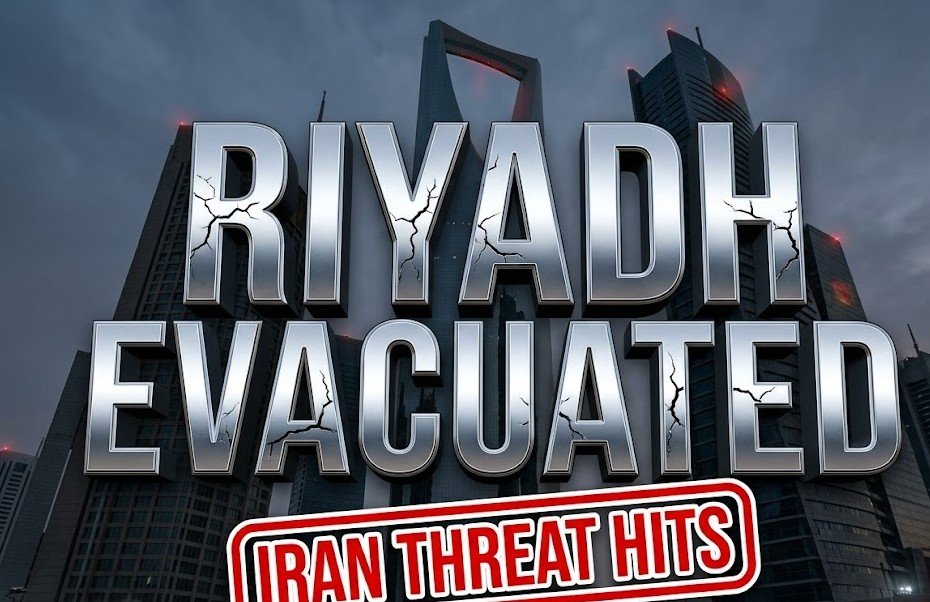
Saudi authorities have cleared out the kingdom’s flagship financial district in Riyadh amid growing worries of Iranian missile and drone strikes. The King Abdullah Financial District now stands largely empty after companies received orders to keep staff away, highlighting how quickly regional conflict can disrupt even the most ambitious economic plans.
This evacuation order, issued earlier this week, marks a serious shift in how Saudi officials are handling security risks while trying to project normalcy.
Evacuation Empties Riyadh’s Key Business Towers
The King Abdullah Financial District, known as KAFD, received clear instructions on April 2 to evacuate office spaces right away. Staff were told not to return until at least April 6, with some companies receiving informal guidance to extend work from home setups for several weeks.
Residential towers in the area switched to shelter in place rules while offices emptied out fast. Nearby landmarks like Al Faisaliah Tower, home to offices of JPMorgan and Apple, also saw quick evacuations over the weekend. The move affected a massive development spanning more than 1.6 million square meters filled with over 60 corporate towers.
Major Players Including PIF Feel the Impact
The Public Investment Fund has its headquarters in the district. This sovereign wealth fund manages around 930 billion dollars in assets and plays a central role in Saudi economic plans. International names such as Goldman Sachs and Deloitte also maintain important offices there.
These firms now face real disruption to daily operations. Key personnel have shifted to secure locations or remote setups. The financial sector across Riyadh adapted with hybrid models as roads stayed busy but many workplaces went quiet.
Iran Threats Create New Risks for Saudi Targets
The evacuation stems from persistent fears of Iranian retaliation in the ongoing conflict. Iran has issued warnings targeting economic sites and locations linked to US interests across the Gulf. Saudi defenses have intercepted numerous drones and missiles in recent weeks, including some heading toward Riyadh areas.
Past incidents include a strike on the US Embassy compound in early March and a missile barrage during a regional foreign ministers meeting mid month. While Riyadh has avoided the scale of hits seen in Dubai or Abu Dhabi, officials clearly see evolving dangers to soft targets like financial centers beyond traditional energy sites.
Eastern Province facilities tied to Aramco have faced repeated attention. Pentagon reports noted successful interceptions near key locations, yet the pattern shows asymmetric threats reaching deeper into the kingdom.
Vision 2030 Faces Serious Reality Check
For years Saudi Arabia has pushed to build Riyadh as a global business hub under Vision 2030. The kingdom offered incentives and even contract threats to draw regional headquarters from multinationals. KAFD stood as a shining symbol of that shift away from pure oil dependence.
Now those towers sit quiet. The program to attract foreign firms faces fresh questions as companies weigh security risks against opportunities. Some banks have already adjusted footprints in other Gulf spots citing similar concerns.
The Public Investment Fund continues managing major global holdings, including stakes in sports teams and tech ventures, but must now prioritize staff safety. This development tests the resilience of diversification efforts at a critical time.
Here are some key facts about the affected district:
- Spans a vast urban development with dozens of high rise towers
- Serves as home base for sovereign wealth operations and major banks
- Part of broader push to make Riyadh a top financial center
- Currently balancing evacuation orders with efforts to keep the airport running as a transit point for people leaving other Gulf cities
Oil Markets Stay Volatile Amid Uncertainty
Energy prices reflect the tensions. Brent crude has traded near 109 dollars per barrel recently, holding a war premium even as indirect talks hint at possible de escalation. Disruptions in shipping routes add pressure to global supply chains.
Analysts watch closely for any direct impact on Saudi production or export facilities. So far the kingdom has maintained output stability, but prolonged risks could change that picture.
Businesses in Riyadh continue adapting. Schools in some cases shifted to remote learning while the main airport handles extra traffic from evacuees from neighboring countries. Daily life shows a mix of caution and determination to keep things moving.
The Human and Economic Toll Continues
This moment brings into focus the real costs when geopolitical storms hit economic dreams. Workers who built careers in these gleaming towers now navigate uncertainty from afar. Families monitor developments closely, hoping for swift calm.
The empty financial district serves as a visible reminder that no plan exists in isolation from regional realities. Saudi officials still project confidence in long term goals, yet the current steps show they take the threats seriously.
What happens next will shape investor views on the kingdom’s stability as a business home. For now, the focus stays on safety while monitoring ceasefire signals that could ease pressures across the Gulf.
The world watches to see if Riyadh can rebound quickly once the immediate risks pass. This episode underscores how interconnected security and prosperity have become in the modern Middle East.