
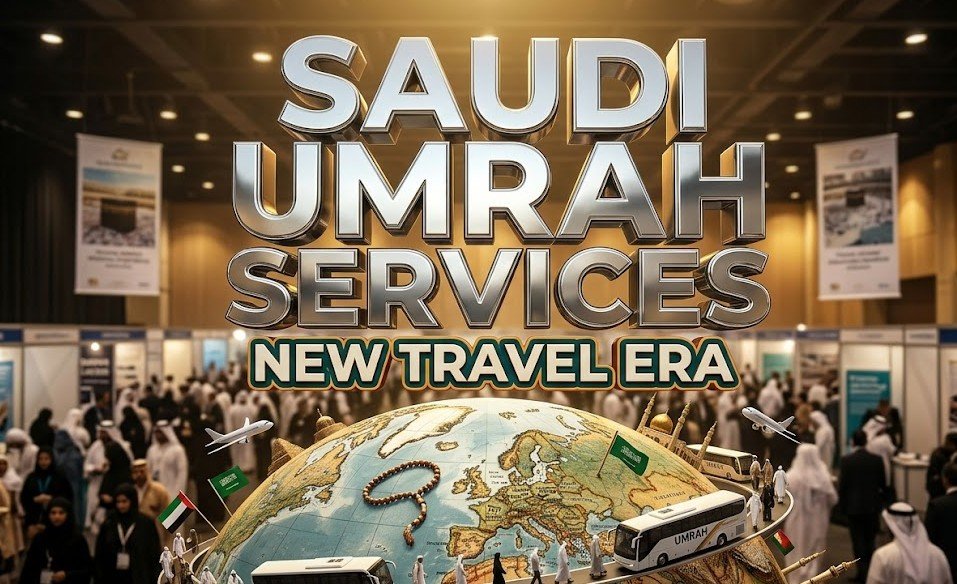
Saudi Arabia’s third Umrah & Ziyarah Forum in Madinah has become a turning point for pilgrimage travel as local companies and global partners work together to reshape the pilgrimage experience for millions of Muslims around the world. One standout moment at the annual event was the strong showcase by Saudi‑based SIAD Holding, which presented a fully integrated journey plan that promises smoother, more connected services from start to finish.
The forum brought new energy, big agreements and clear evidence that the way pilgrims plan and experience their sacred visit is shifting dramatically thanks to innovation, partnerships and focused investment.
SIAD Holding’s New Integrated Model for Pilgrims
SIAD Holding, a company based in Saudi Arabia that specialises in Hajj, Umrah and hospitality services, took centre stage at the Umrah & Ziyarah Forum by unveiling its full ecosystem model that connects all stages of the pilgrimage. The group’s exhibition focused on how pilgrims will be supported at each step — from entry into the Kingdom to comfortable stays, reliable transportation and curated travel experiences designed around their needs and customs.
At the event, SIAD hosted more than 30 meetings with partners from across the Far East, Africa and other regions, signalling a push to expand services well beyond Saudi borders. These discussions underscored the company’s growing international reach and its aim to build long‑term partnerships that make the pilgrimage experience better for travellers worldwide.
CEO and Chairman Eng Mohannad Khogeer highlighted the need for experience‑driven solutions that raise service quality, improve comfort and respect cultural needs, underlining how leisure and spiritual travel can blend without compromise.
New Agreements and Global Collaboration
The forum itself has become a major hub for global cooperation. There were reports that more than 5,000 strategic agreements were signed between Saudi government bodies and international companies focusing on accommodation, logistics, transportation and cultural services for pilgrims. These partnerships are designed to handle the growing number of visitors each year, which Saudi officials say has surged significantly in recent seasons.
Beyond SIAD Holding’s own dealings, digital travel platforms are also making headlines. For example, the Saudi Minister of Hajj and Umrah signed a strategic partnership with Bookme to enable instant digital Umrah visa issuance. This fully automated system is expected to remove older delays and paperwork, creating a seamless beginning to pilgrimage trips for millions, especially in key regions like South Asia.
Such collaborations show how traditional travel services and digital innovation are becoming tightly linked in the Umrah and Ziyarah industry. Technology is no longer a side offering but a core part of the new travel experience.
Focus on Seamless Travel and Transportation
A key highlight of the forum was the presence of companies that specialise in the logistics of pilgrim movement and comfort. Two subsidiaries under SIAD Holding, Alhussam Tourism and ZAER, presented how they work together to integrate travel planning and transport services.
Alhussam Tourism showcased customised travel itineraries that meet the needs of pilgrims from arrival to departure. They also signed more than 15 agreements with global partners to expand their commercial reach in the pilgrimage market.
ZAER introduced its modern fleet of vehicles — including luxury and group‑friendly buses — designed to improve comfort and reliability during travel between holy sites. These investments aim to make pilgrim transport more efficient, safer and less stressful than traditional options.
Together, these services offer a model where pilgrims can expect consistent quality, less confusion and a clearer choice of travel experience.
Broader Trends at the Forum: Tech, Culture and Growth
While SIAD Holding’s showcase was a major highlight, other developments at the Umrah & Ziyarah Forum point to a growing ecosystem around the pilgrim experience.
Artificial intelligence and digital tools were emphasised throughout the event, with experts presenting systems that can improve crowd management, offer multilingual assistance and guide pilgrims in real time across various stages of their journey.
The forum also featured cultural exhibits like the “Historic Jeddah pavilion”, which told the story of the city’s long heritage serving pilgrims. This cultural dimension reflects Saudi Arabia’s goal of blending spiritual fulfilment with an enriched historical context for visitors.
Government officials highlighted that the Umrah sector continues to grow rapidly. The number of international pilgrims has risen sharply, leading to new operations and services being put in place to manage the increased demand with greater coordination and safety.
What This Means for Global Pilgrims
For Muslims planning Umrah or Ziyarah trips now and in the coming years, the changes showcased at the Umrah & Ziyarah Forum signal a landscape in transformation. It is becoming easier to access services that are digitally enabled, globally connected and tailored to diverse needs.
Pilgrims from regions like South Asia, Southeast Asia, Africa, North America and beyond can expect a clearer travel path — from a faster visa process to partnered transportation, and improved accommodation options with transparent service levels.
This evolution could reduce stress, uncertainty and hidden costs — allowing pilgrims to focus more on the spiritual aspects of their journey rather than the logistics.
The forum’s emphasis on infrastructure, technology and global partnerships shows that Saudi Arabia is not just preserving religious travel traditions but expanding them into a modern, efficient and globally accessible pilgrimage model.
As the world watches this transformation continue, the collective goal remains consistent: to serve the Guests of Allah with dignity, ease and meaningful support throughout their sacred journey.
