
The Middle East is facing an explosive escalation that could reshape global security and energy markets, as U.S. and Israeli military action against Iran has sparked widespread retaliation by Tehran across the Gulf. In recent days, several Gulf states that host American forces have publicly denounced Iran’s missile and drone strikes on their territories, raising deep concerns about the durability of their support for the United States and the direction of the conflict.
Despite the scale of hostilities and growing casualties, there is no sign of a diplomatic breakthrough, and global warnings about a protracted war are multiplying. This article examines how the conflict widened, how allies are reacting, and what it means for global politics and everyday lives.
Iran Strikes Gulf Nations After U.S. and Israeli Offensive
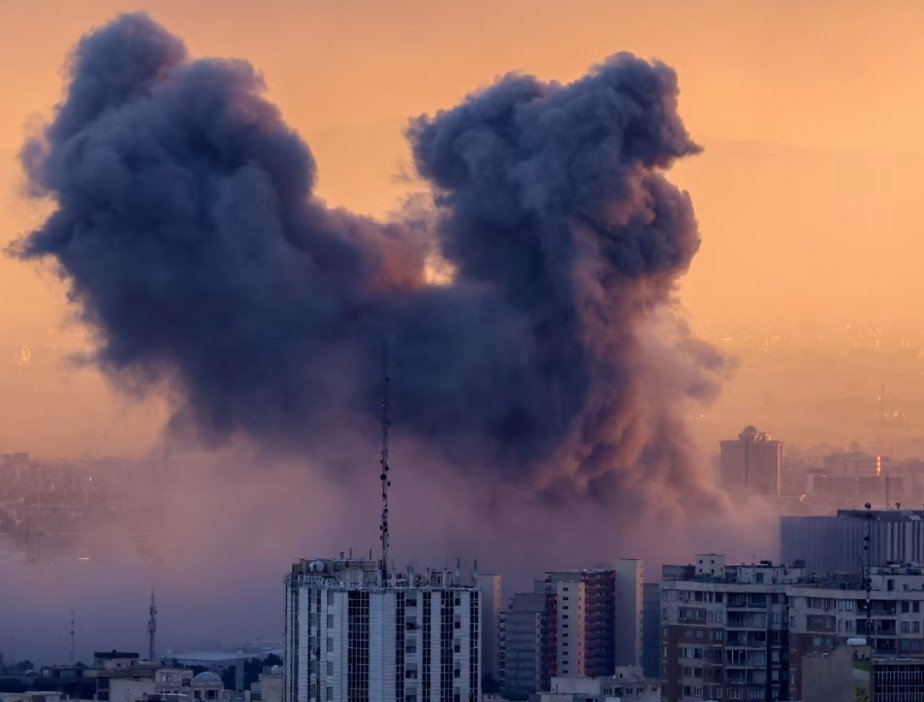
The conflict expanded dramatically after joint U.S. and Israeli strikes on Iran early in the week, which included targeted strikes on strategic military sites inside Iranian territory. Since then, Iran has launched a wave of retaliatory missiles and drones at neighboring Arab states, including Bahrain, Qatar, Kuwait, Saudi Arabia, Jordan, and the United Arab Emirates, most of which host American forces or critical energy infrastructure.
In Bahrain, authorities reported intercepting scores of missiles and drones, while at least one civilian worker was killed by falling debris, and several military and civilian facilities were damaged.
In Qatar, Iranian aircraft reportedly entered airspace before being downed by Qatari forces, which protect one of the largest U.S. military bases in the region.
The series of strikes has effectively closed major Gulf airspace, disrupted international shipping through the Strait of Hormuz, and caused global oil prices to spike sharply—a move that could ripple across global markets.
Gulf States Break Silence With Strong Condemnations
In an unusual and forceful turn, several Gulf Cooperation Council states have begun publicly condemning Iran’s attacks as reckless violations of their sovereignty and international norms. Saudi Arabia released a statement labeling an Iranian drone attack on the U.S. Embassy in Riyadh as a “flagrant breach” of diplomatic norms and warned Tehran against further provocations.
Likewise, Qatar confirmed it had shot down Iranian jets after they entered its airspace and issued warnings to deter further incursions.
Analysts suggest that Iran’s decision to strike multiple Gulf states—some of which have historically pursued cautious ties with Tehran—may have been a strategic miscalculation that isolated the country regionally and pushed former neutral actors closer to the U.S. orbit.
While these nations have not joined the military operations against Iran, their condemnations and military responses mark a notable shift from earlier in the conflict, when Gulf states permitted U.S. forces to operate from their territory without protest.
United States Sees Rising Costs and Uncertain Support
The United States has suffered military casualties, with at least six American service members killed, and 18 injured amid Iranian attacks on U.S. bases in the region.
President Donald Trump and senior U.S. officials have insisted that military operations could last several weeks or more than a month, placing pressure on allied governments to sustain a long-term partnership.
Meanwhile, the U.S. State Department has issued urgent evacuation advisories for American citizens in more than a dozen Middle Eastern countries, citing safety risks that have increased with the widening conflict.
The growing toll on American lives and assets, combined with rising operational costs, is prompting some allied capitals to question just how much their populations can tolerate. Analysts note that while Gulf states currently denounce Iranian attacks, their support could become conditional if attacks continue to threaten civilian life and economic stability.
Global Reaction and Broader Fears of Escalation
Beyond the Middle East, global responses have been swift and varied.
European leaders have expressed concern over wider regional instability, with many stressing the need for restraint and diplomatic engagement to avoid further escalation. Some European governments have explicitly distanced themselves from the military campaign, refusing to participate directly while calling for peace talks.
China has condemned U.S. and Israeli strikes on Iran, urging an immediate ceasefire and renewed diplomatic negotiations to prevent further bloodshed.
Russia has warned that the conflict could trigger a proliferation of nuclear ambitions across the Middle East, arguing that U.S. efforts might unintentionally push regional states toward nuclear armament for deterrence.
Energy markets are already feeling the impact of the conflict. Analysts warn that disruptions in the Strait of Hormuz, where roughly a fifth of global oil exports pass, could drive prices even higher and threaten broader economic instability.
What Comes Next as War Continues
As missiles and drones continue to fly, Gulf leaders are seeking to balance their security commitments to the United States with mounting domestic concerns and economic vulnerabilities.
Some analysts caution that rising civilian casualties and economic disruption could drive public opinion in Gulf states against prolonged support for U.S. military goals, potentially opening the door to negotiations aimed at de-escalation.
Others argue that Tehran’s broad retaliation across multiple states may have backfired strategically, isolating it further and encouraging regional powers to maintain their alliances with Washington and its partners.
Military experts say that unless diplomatic channels open soon, the risk of extended conflict and further regional fragmentation is real—with consequences that could reshape alliances, energy markets, and global security far beyond the Middle East.
The coming days are likely to determine whether these tensions cool or continue to spread into a lasting, multi-front crisis.
As the world watches closely, what do you think should be the priority—push for ceasefire talks, increase diplomatic pressure, or support strategic military goals in this volatile region? Share your thoughts in the comments below and use hashtag #MiddleEastCrisis to join the conversation.
