
In a dramatic early March shake‑up for global travel, Air Canada has cancelled all flights to and from Tel Aviv in Israel and Dubai in the United Arab Emirates due to the rapidly escalating conflict in the Middle East, leaving thousands of passengers affected and highlighting how geopolitical tensions are now disrupting international aviation on a major scale. As nations close airspace and airlines suspend services, travellers and carriers are grappling with uncertainty and major changes to schedules.
The impact stretches far beyond just Canada’s flag carrier. The conflict, triggered by coordinated attacks on Iran by the United States and Israel, has reverberated across the region’s skies, grounding flights, cancelling routes and consulting governments on travel safety.
Air Canada Suspends Middle East Routes as War Escalates
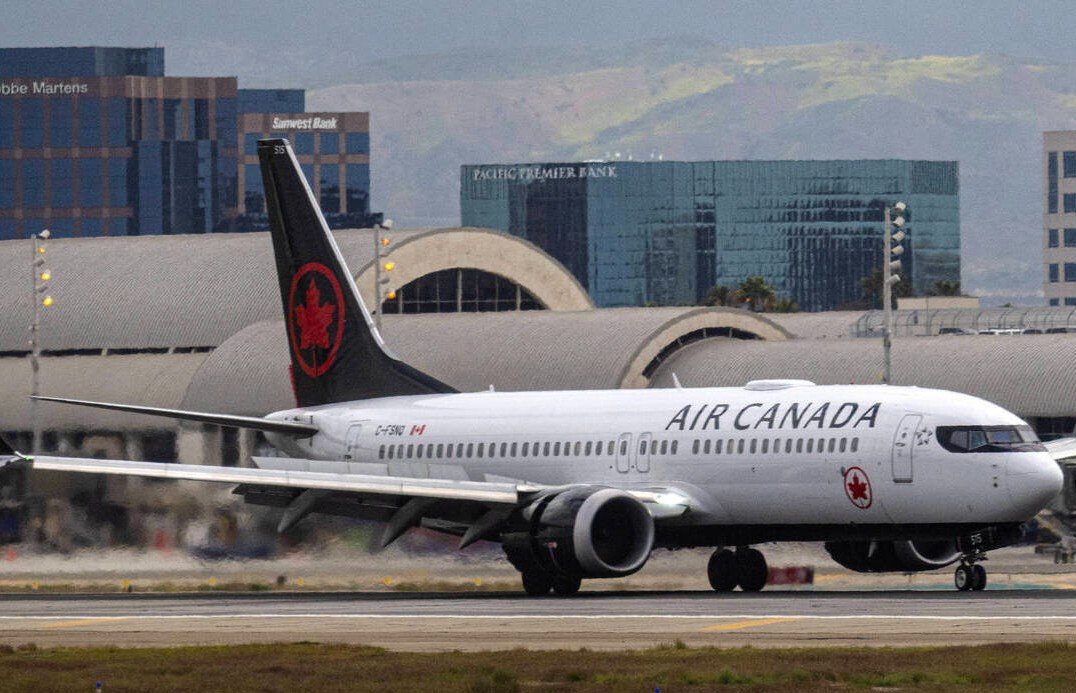
Air Canada announced that flights between Canada and Tel Aviv will be cancelled until at least March 8, while services to and from Dubai will be halted through March 3, subject to change based on conditions in the region. The airline said it is closely monitoring the situation and will adjust its schedule as the military and security situation evolves.
This suspension affects all commercial passengers booked on those routes during the affected period. The airline has also updated its booking policies to provide flexibility, allowing travellers impacted by the cancellations to change or cancel their travel plans without extra fees if their flights fall within the disrupted window.
One key priority for Air Canada is passenger safety, with the airline stating it will continue to adjust routes, cancellations and rebooking options based on the security environment and official airspace closures.
Wider Wave of Global Flight Disruptions
Air Canada’s decision is not happening in isolation. Airspace closures across the Middle East triggered by the conflict have forced multiple airlines to suspend or reroute flights, affecting cities beyond Tel Aviv and Dubai. Emirates, Etihad Airways, Qatar Airways and major European carriers have also halted services to key Gulf hubs as countries like Qatar, Kuwait, Bahrain and Iraq restrict traffic into their skies.
European carriers such as KLM, Air France and Lufthansa have suspended flights to Tel Aviv and Dubai, with some cancellations planned through early to mid‑March as safety remains uncertain.
Airline disruptions extend further to other regions. For example:
-
Indian carriers including Akasa Air and IndiGo have suspended services to Gulf destinations like Abu Dhabi, Doha and Riyadh due to advisory warnings.
-
United States airlines like Delta and American Airlines have also stopped flights to Tel Aviv and Dubai until later in March.
These cascading effects show how a conflict in one region can rapidly spread through airline networks worldwide, leading to cascades of rerouted flights, grounded aircraft and confused travellers.
Why These Cancellations Are Happening
The cancellations are tied directly to safety concerns arising from the intensifying conflict in the Middle East. After the U.S. and Israel launched coordinated strikes on Iran, many nations in the region closed their airspace entirely, making safe commercial flight operations impossible in some cases.
Countries including Iran, Iraq, Israel, Kuwait and Qatar halted overflight permissions. Dubai and Abu Dhabi airports, which normally serve as major global crossroads, experienced partial closures and damage from strikes, prompting many airlines to halt inbound and outbound flights.
Flight cancellations are a direct response to risk, not just local travel advisories. Airlines have to weigh crew safety, aircraft insurance terms and government restrictions. Operating regular flights without clear and stable airspace permissions would expose both passengers and staff to potential danger.
How Passengers Are Being Supported
Air Canada has expanded flexibility policies for travellers booked on affected routes. Customers with flights through March 15 to or from cities including Tel Aviv, Dubai, Abu Dhabi, Beirut, Amman, Erbil and Dammam can reschedule their flights to travel by March 31 without fees, subject to availability, or receive full refunds.
This goodwill measure aims to ease stress for passengers facing cancellations with little notice. However, travellers are being urged to check with the airline directly for specific options and to confirm if alternate flights are available.
Foreign travel advisories have also been issued. Many governments, including Canada’s, are advising citizens to avoid all non‑essential travel to the region, and travellers abroad are urged to shelter in place and register with local embassy services for updates and assistance.
Eyes on the Skies: When Will Flights Resume?
For now, there are no firm dates for full restoration of flight schedules. The region’s airspace closures and military threats remain unpredictable. Countries and airlines are reviewing security conditions daily, and decisions to resume flights will depend on stability returning to key corridors.
Air Canada’s resume dates — March 3 for Dubai and March 8 for Tel Aviv — are tentative, based on current forecasts. If conflict conditions persist or escalate, airlines may extend these suspensions. Similarly, other international carriers have already extended cancellations into mid‑March.
Passengers planning travel to or through the Middle East in the coming weeks must remain flexible and actively monitor airline communications for changes.
The Larger Picture: A Global Travel Disruption
Beyond individual cancellations, a broader impact on global travel patterns is emerging. With so much Middle East airspace restricted:
-
Long‑haul flights between Europe and Asia may need to reroute over Africa or eastern corridors, leading to longer flight times.
-
Airline operational costs could rise due to additional fuel use and crew scheduling complexities.
-
Travel insurance claims and compensation requests are surging as passengers adapt to changing itineraries.
For many travellers, the experience has been disruptive, stressful and uncertain. Social media is filled with passengers stranded in airports, hotels or transit hubs with limited options, seeking updates on rescheduled flights or refunds.
The situation remains in flux. Governments and airlines are trying to restore safe skies while balancing the risks of ongoing regional military tension.
