Saudi Arabia has taken a decisive step to protect its food supply chain by halting imports from major global suppliers. The Kingdom officially banned the import of poultry and table eggs from India and 39 other countries today. This massive regulatory shift aims to shield public health from rising risks associated with animal diseases.
The Saudi Food and Drug Authority (SFDA) announced the immediate enforcement of this ban. It includes a full prohibition on products from the listed nations and partial restrictions on specific regions in 16 other countries. Authorities confirmed that these strict measures are necessary to ensure the absolute safety of food entering the local markets.
Public Health and Safety Comes First
The primary driver behind this sweeping decision is the protection of residents and citizens within the Kingdom. The SFDA emphasized that food safety is a red line that cannot be crossed. This move is not a trade war but a sanitary protocol designed to prevent the entry of contaminated products.
Global health reports have recently highlighted a resurgence in animal-borne diseases. The specific concern revolves around outbreaks that could transfer from livestock to humans. By cutting off supply lines from high-risk zones, Saudi Arabia is acting proactively rather than reactively.
The authority applies these bans based on rigorous scientific data. They do not choose countries at random. The decision comes after a thorough review of international health reports and disease control standards in the exporting nations.
Key reasons for the sudden import ban include:
- Reports of highly pathogenic avian influenza in source countries.
- Failure of exporting nations to meet updated sanitary requirements.
- The need to prevent local poultry farms from infection risks.
- Ensuring consumer confidence in the safety of grocery products.
Why This Ban is Happening Now
The timing of this decision aligns with ongoing global health assessments. According to recent data cited by local reports, the SFDA monitors epidemiological situations around the clock. The world is currently seeing fluctuations in animal health standards, prompting the Kingdom to tighten its borders.
Recent reviews indicated that some countries have struggled to contain specific poultry diseases. The SFDA noted that this list is dynamic. It is not a permanent blacklist but a responsive measure to current biological threats.
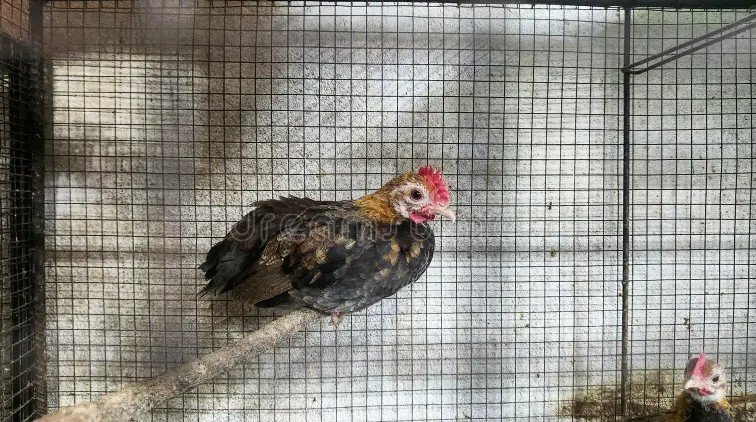
Some nations on this list have faced restrictions since as early as 2004. Others were added recently as new risk factors emerged. This shows a consistent policy of vigilance by the Saudi authorities over the last two decades.
The focus is largely on Highly Pathogenic Avian Influenza (HPAI). This virus spreads rapidly among bird populations and poses a severe threat to the poultry industry. Saudi Arabia is prioritizing its own food security goals by refusing to take chances with potential outbreaks.
Impact on Trade and Global Markets
This ban will significantly reshape the flow of poultry products into the Middle East. India and the other 39 nations represent a large portion of the global poultry trade. Exporters in these regions will face immediate economic hurdles as they lose access to one of the largest markets in the Gulf region.
Saudi Arabia has a high demand for chicken and eggs. The gap left by these bans will likely be filled by local production and alternative trade partners. The Kingdom has been investing heavily in its own domestic agriculture sector under Vision 2030.
Local producers may see this as an opportunity to expand. When imports drop, demand for locally sourced chicken usually spikes. This aligns with the national goal of achieving higher self-sufficiency in essential food items.
“The safety of the food on your table is the result of thousands of inspections and tough decisions made at the border.”
Consumers in Saudi Arabia might see a shift in the brands available on shelves. However, the government usually ensures that supply chains remain stable by sourcing from disease-free countries approved by the SFDA.
Strict Protocols for Future Imports
The SFDA has made it clear that the door is not closed forever. The list of banned countries will undergo periodic updates. This process relies on how well the affected nations can control disease outbreaks within their borders.
Countries that wish to resume exports must prove they are safe. This involves submitting detailed health reports and undergoing inspections. Once a country proves it is free of the disease and meets Saudi standards, the ban can be lifted.
The authority uses a transparent risk evaluation model. They look at the speed of disease reporting and the effectiveness of veterinary services in the exporting country. Transparency from trade partners is the key to restoring business relations.
Criteria for lifting the import ban:
- Official declaration that the country is free from the specific disease.
- Verification by international bodies like the World Organisation for Animal Health.
- Successful audit of the country’s veterinary inspection systems by Saudi experts.
- Implementation of strict biosecurity measures at farms and processing plants.
The SFDA continues to act as the guardian of public health. Their swift action prevents potential health crises before they can start. This latest ban serves as a reminder that in the global food trade, safety always trumps profit.
The global community will be watching closely to see how quickly these nations can improve their health standards to regain access to the Saudi market. Until then, the ban remains a firm barrier against biological risks.
Saudi Arabia has imposed a strict ban on poultry and egg imports from India and 39 other nations to protect public health. The Saudi Food and Drug Authority (SFDA) enacted this measure following risk assessments linked to animal diseases like avian influenza. While this disrupts trade for the affected countries, it creates opportunities for local Saudi producers and ensures consumer safety. The list of banned nations is subject to change based on future health reports and disease control improvements.
We want to hear your thoughts on this major trade update. Do you think strict food bans are necessary for public safety, or do they hurt global trade too much? Share your views in the comments below. If you found this article helpful, share it on social media using #SaudiPoultryBan to join the conversation.