Quiet messages are flying between Washington and Tehran in the secluded diplomatic rooms of Oman. But in Jerusalem, the mood is far from diplomatic. As the Biden administration attempts to cool down the Middle East through back-channel negotiations, Israeli officials are sounding the alarm that a bad deal is worse than no deal at all. The stakes for the Jewish state have shifted from political maneuvering to a stark battle for survival.
Secret Meetings in Oman Spark New Debates
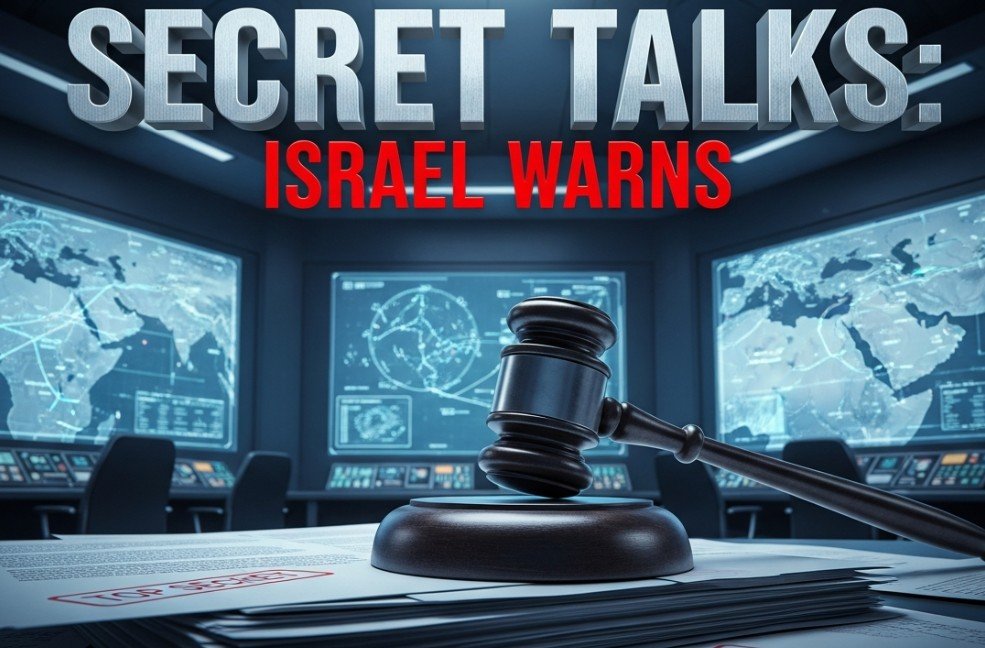
The United States and Iran have once again engaged in indirect negotiations in Muscat, the capital of Oman. These are not face-to-face handshakes. Instead, officials sit in separate rooms while Omani intermediaries shuttle proposals back and forth. This “proximity talk” format highlights the deep distrust that still exists between the two nations.
Reports indicate that the primary goal is to lower regional tensions that have flared since the start of the war in Gaza. However, the scope of these talks has become a major point of contention. The US State Department is pushing for a broad approach. They want to address not just the nuclear program, but also the attacks by Iranian-backed militias across the region.
Iran has a different agenda. Their negotiators have made it clear they want sanctions relief before offering any significant concessions. This fundamental disconnect threatens to derail the progress before it truly begins.
The atmosphere in Muscat is tense. Both sides know that a single misstep could lead to a breakdown in communication. For the Americans, keeping a lid on a wider regional war is the priority. For the Iranians, economic survival through sanctions relief is the ultimate prize.
Tehran Refuses to Back Down on Enrichment
At the heart of the deadlock is a technical but terrifying reality regarding uranium. Tehran insists on preserving its domestic uranium enrichment program. They portray this demand as non-negotiable and a matter of national sovereign rights.
US officials have pushed back hard. They are demanding “zero enrichment” near weapons-grade levels and strict limits on ballistic missile development. According to recent intelligence assessments, Iran’s breakout time (the time needed to produce enough weapons-grade fuel for a nuclear bomb) has shrunk from months to mere weeks.
Here is where the two sides stand:
| Issue | US Demand | Iranian Stance |
|---|---|---|
| Uranium Enrichment | Cap enrichment below 5% and ship out stockpiles. | Keep high-level enrichment capabilities inside Iran. |
| Ballistic Missiles | Halt development of long-range missiles capable of carrying warheads. | Declares missile program “off-limits” for discussion. |
| Regional Proxies | Stop funding and arming groups like Hezbollah and Hamas. | Views support for proxies as key to regional defense. |
Tehran is playing a dangerous game of brinkmanship. By refusing to discuss their missile program, they are effectively telling the West that they want the benefits of a nuclear deal without giving up the means to deliver a weapon. This stubbornness confirms the fears of many Western analysts who believe Iran is using these talks merely to buy time.
Jerusalem Sees Diplomacy as a Dangerous Trap
For Israel, these headlines from Oman are not just news. They are an existential threat. The view from Jerusalem is that Western diplomacy with the Islamic Regime often operates as a pressure valve rather than a breakthrough.
Israeli defense experts warn that these talks give Iran political cover. While diplomats speak in soft tones in Muscat, Iranian centrifuges continue to spin in Fordow and Natanz. There is a palpable fear that the US might agree to a “less for less” deal. This would mean partial sanctions relief in exchange for a temporary freeze on nuclear progress.
Such a deal would leave Iran with its nuclear infrastructure intact. It would also provide the regime with billions of dollars in unfrozen funds. Israel argues this money would not go to the Iranian people. Instead, it would likely flow directly to the IRGC and its terror network.
Israel does not benefit from bravado; it benefits from leverage. The Israeli government believes that the only language the regime in Tehran understands is credible military threat and crippling economic pressure. When the West pursues diplomacy without a heavy stick, Israel fears it is being left alone to face a nuclear-armed enemy.
Key concerns for the Israeli defense establishment include:
- Legitimacy: Talks grant the Iranian regime international legitimacy while they repress their own people.
- Diversion: Negotiations distract the world from Iran’s advancing weaponization research.
- Funds: Any financial relief fuels the “Ring of Fire” of proxy armies surrounding Israel.
Regional Proxies Complicate the Path to Peace
You cannot separate the nuclear file from the chaos on the ground. While negotiators talk about uranium isotopes, Iranian proxies are actively destabilizing the Middle East. From the Houthis attacking ships in the Red Sea to Hezbollah exchanging fire on Israel’s northern border, the tentacles of Tehran are everywhere.
The US has tried to include these regional activities in the Muscat talks. Washington wants an end to the attacks on American troops in Syria and Iraq. They also want Iran to rein in the Houthis to secure global shipping lanes.
Iran denies controlling these groups. They claim these militias act independently, a statement that Western intelligence agencies reject entirely. This denial makes diplomatic progress nearly impossible. How can you sign a deal with a government that claims no responsibility for the missiles fired by its allies?
The reality is that a nuclear umbrella would make these proxy groups even more aggressive. If Iran achieves nuclear deterrence, it could embolden Hezbollah and Hamas to launch larger attacks, knowing that Israel would be hesitant to strike back at their patron in Tehran.
The path forward is filled with landmines. If the talks in Oman fail, the risk of military confrontation grows. If they succeed on weak terms, Israel may feel forced to take unilateral action to ensure its survival. As the diplomats whisper in Muscat, the rest of the region holds its breath.
The window for a peaceful resolution is closing fast, and the shadow war is threatening to step into the light.
We are witnessing a pivotal moment in Middle Eastern history. The outcome of these secret talks will define the security architecture of the region for the next decade. Do you think a diplomatic solution is still possible, or is military confrontation inevitable? Share your thoughts in the comments below using #IranTalks and let us know where you stand.