
Egypt has revealed fresh oil and gas discoveries at four exploration wells in the Western Desert, aiming to ramp up domestic production and reduce reliance on imports. Announced on January 12, 2026, these finds could add about 4,500 barrels of crude oil and 2.6 million cubic feet of natural gas to daily output, according to the Ministry of Petroleum and Mineral Resources.
Details of the Discoveries
Joint ventures involving local and international firms drove these breakthroughs. Khalda Petroleum Company, a partnership between the Egyptian General Petroleum Corporation and Apache Corporation, led with two key wells. Tharwa Petroleum Company and Borg El Arab Petroleum Company also contributed significant finds.
These efforts highlight Egypt’s push to explore untapped reserves in the vast Western Desert region. Officials expect the wells to start contributing to production soon, with initial tests showing strong potential.
The discoveries come at a time when Egypt seeks to strengthen its energy sector amid global market shifts. Recent data shows the country produced around 560,000 barrels of oil per day in late 2025, and these new wells could help bridge gaps in supply.
Key Wells and Production Rates
Khalda Petroleum struck oil and gas at the Sultan S-1X RC and Alex NW-1X wells. Together, they promise over 1,500 barrels of crude oil and 1.7 million cubic feet of gas daily.
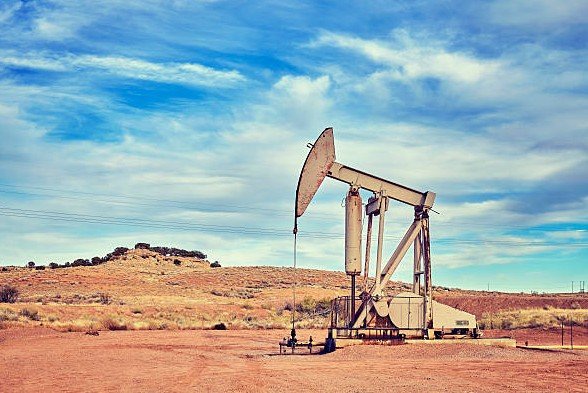
Tharwa Petroleum’s EAS Z-3 well in the East Abu Sennan area tested at 1,500 barrels of oil per day. Borg El Arab’s AS Z-2X well in the Abu Sennan Development Area yielded 1,305 barrels of oil and 900,000 cubic feet of associated gas per day.
Here are the main production estimates from the four wells:
- Sultan S-1X RC and Alex NW-1X (Khalda): 1,500+ barrels oil, 1.7 million cubic feet gas
- EAS Z-3 (Tharwa): 1,500 barrels oil
- AS Z-2X (Borg El Arab): 1,305 barrels oil, 900,000 cubic feet gas
Testing continues to confirm reserves and refine output forecasts. These numbers build on Egypt’s track record of steady finds in the region.
Experts note that such discoveries often lead to further exploration. For instance, Khalda made 23 oil discoveries in fiscal year 2024/25, beating targets thanks to government incentives.
Broader Impact on Egypt’s Energy Goals
Egypt plans to drill 480 new exploratory wells over the next five years, with a $5.7 billion investment. In 2026 alone, 101 wells are on the schedule across various regions. This strategy aims to reverse years of declining production and boost exports.
The Western Desert has long been a hotspot for energy resources. Recent global trends, like falling oil prices below $60 per barrel, make these domestic finds even more vital. They could help Egypt cut import costs and stabilize energy supplies for its growing population.
In comparison, neighboring countries in North Africa have seen similar booms. Libya, for example, ramped up output in 2025 despite challenges, inspiring Egypt’s aggressive approach.
This announcement ties into larger regional dynamics. The Middle East and North Africa region expects to add 20 billion barrels of oil equivalent through new projects by 2030, with Egypt playing a key role.
Challenges and Future Outlook
While promising, these discoveries face hurdles like technical drilling issues and fluctuating global demand. Low oil prices in early 2026 have led to cautious spending worldwide, but Egypt’s focus on incentives for partners like Apache helps mitigate risks.
Environmental concerns also loom. Exploration in the desert must balance with water usage and habitat protection, as critics point out.
Looking ahead, success here could attract more foreign investment. Egypt’s upstream sector has drawn interest from majors, with recent licensing rounds opening doors.
A table of recent Egyptian oil and gas milestones shows the momentum:
| Year | Key Event | Impact |
|---|---|---|
| 2024 | 23 discoveries by Khalda | Exceeded annual targets |
| 2025 | New gas find in Western Desert | Added 36 million cubic feet daily |
| 2026 | Four well announcements | Boosts daily oil by 4,500 barrels |
Analysts predict these efforts will help Egypt achieve energy self-sufficiency by 2030. With ongoing tests and tie-ins, production ramps could happen within months.
Global Context and Economic Benefits
These finds align with worldwide shifts toward energy security. As nations like Benin resume offshore production after decades, Egypt’s onshore successes stand out.
Economically, higher output means more revenue for infrastructure and jobs. The petroleum sector employs thousands and supports related industries.
For everyday Egyptians, stable energy supplies could mean lower fuel prices and better power reliability. This matters in a country where energy demand rises with population growth.
Share your thoughts on how these discoveries might shape Egypt’s future. Comment below or spread the word to keep the conversation going.
