Israel continues to allow farmers to mix poultry feces into cattle feed, a practice banned in many Western countries, sparking fresh controversy in early 2026. Animal rights group Animals Now started a bold public campaign on January 10 to end it, while the Agriculture Ministry defends the method as necessary due to limited grazing land.
The Practice and Its Origins
Farmers in Israel feed calves and cows with up to three kilograms of poultry manure daily, including feces, feathers, and food scraps from chicken coops. This adds up to about 43,000 tons each year, enough to fill over 1,400 trucks lined up for more than 30 kilometers.
The method helps cut costs in a country with scarce pasture, but critics say it risks spreading diseases. Recent data shows this has been allowed for years, even as global standards tighten.
Health experts warn that residues from antibiotics, heavy metals, and pesticides in the manure could enter the food chain. In Israel, beef production reached new highs in 2025, with the market valued at over $1 billion, fueling debates on safety.
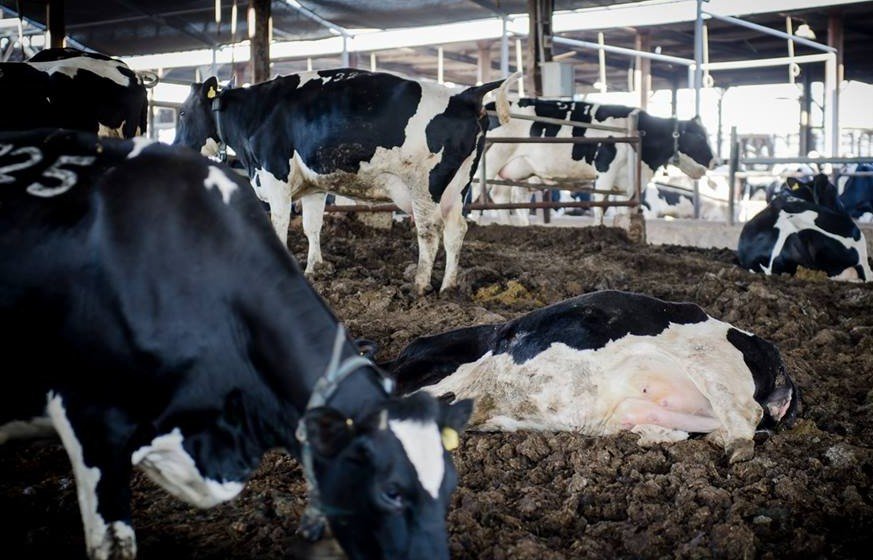
Animals Now Launches Awareness Drive
Animals Now kicked off its “Eat Less Meat, Eat Less Shit” campaign in Tel Aviv and nearby areas, using posters and social media to highlight the issue. The group shared images of bus stop ads showing calves fed with feces, aiming to shock consumers into action.
The campaign ties into broader animal welfare efforts, following 2025 reports of livestock losses in Gaza due to conflict. Supporters argue it exposes hidden industry practices that affect meat quality.
- Posters appeared on over 200 bus stops in major cities.
- Social media posts gained thousands of shares within days.
- The group calls for a full ban, urging public petitions to lawmakers.
Animals Now points to Freedom of Information data revealing the scale of the practice. They compare it to outdated methods still in use despite modern alternatives.
Government Stance and Justifications
The Agriculture Ministry insists adapted feeding is essential in a land-scarce nation. Officials say strict regulations ensure safety, with no major outbreaks linked to the practice so far.
In a recent statement, the ministry noted that grazing limits force innovative solutions. They reference similar allowances in some regions, though global trends move toward bans.
This comes amid other farm reforms, like protests against dairy changes in late 2025. Farmers worry a ban could raise costs and hurt small operations.
Experts suggest alternatives like imported feed or better waste processing. The ministry plans reviews but has not set a timeline.
| Aspect | Israel Policy | Global Bans (EU, US, etc.) |
|---|---|---|
| Allowed Materials | Poultry feces, feathers, scraps | Banned due to health risks |
| Annual Volume | 43,000 tons | None permitted |
| Main Reason | Limited land | Pathogen prevention |
| Oversight | Ministry regulations | Strict prohibitions |
Health Risks and International Comparisons
Many nations outlawed feeding animal waste to livestock after disease scares, like mad cow outbreaks in the 1990s and 2000s. The European Union, United Kingdom, Canada, and others cite risks of pathogens entering beef.
In Israel, studies show potential for antibiotic resistance, a growing global threat. A 2023 report on antimicrobial use in farms highlighted similar concerns, linking it to human health.
Recent events, such as 2025 livestock shortages from regional conflicts, add pressure. Consumers increasingly demand transparent, ethical food sources.
Logical reasoning suggests switching to plant-based feeds could reduce risks without major economic hits. Global data from 2025 shows countries like Australia thriving post-ban.
Public Reaction and Industry Impact
Social media buzzed with outrage after the campaign launch, with posts calling for boycotts of affected meat. Farmers defend the practice as safe and economical, fearing job losses.
One viral post compared it to past U.S. controversies over chicken litter in feed. Public sentiment leans toward reform, especially among younger consumers focused on sustainability.
The beef market grew by 5 percent in 2025, but scandals could slow it. Industry leaders call for balanced solutions to maintain trust.
What Lies Ahead for Israeli Farming
Debate rages on whether Israel will join the ban, with Animals Now pushing for quick changes. As awareness spreads, pressure mounts on officials to act.
This ties into wider trends, like innovations in agriculture that Israel leads globally. Solutions could include tech for better feed alternatives.
Share your thoughts in the comments below or spread the word on social media to keep the conversation going.