Egypt’s foreign minister has renewed calls for the removal of all foreign fighters and mercenaries from Libya, warning that lasting stability will remain out of reach as long as armed outsiders continue to shape the conflict from behind the scenes.
The message was delivered during high-level diplomatic talks in Jeddah, reflecting Cairo’s growing concern that Libya’s fragile calm could unravel without decisive action.
A clear message from Cairo on Libya’s future
Egyptian Foreign Minister Badr Abdelatty left little room for ambiguity.
Speaking during a meeting with his Tunisian counterpart, Abdelatty stressed that the withdrawal of all foreign forces, fighters, and mercenaries from Libya is essential to restoring security and political balance in the troubled country.
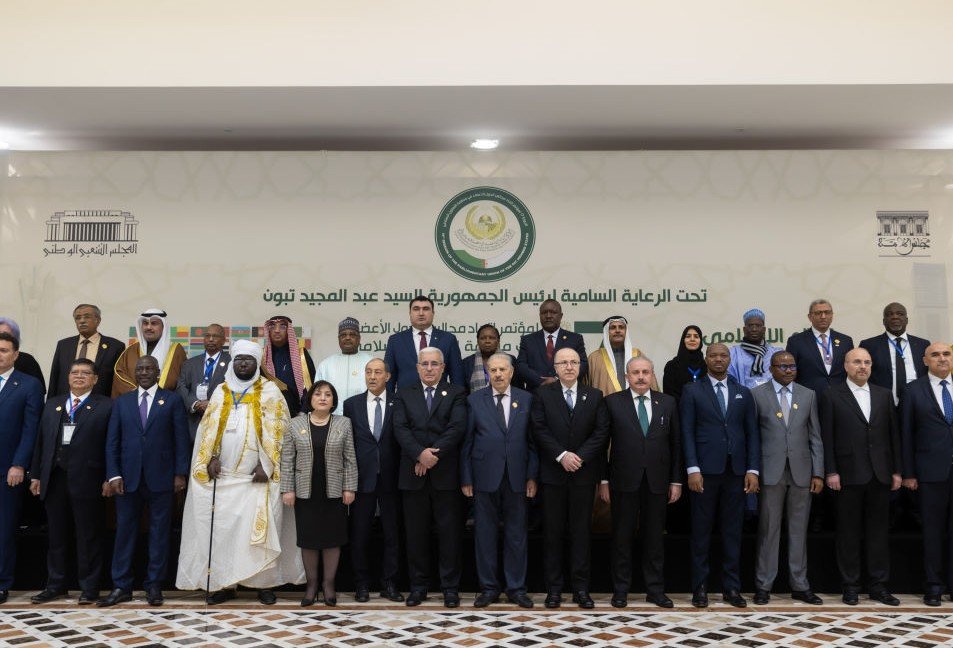
His remarks came on Saturday, on the sidelines of an extraordinary session of the Council of Foreign Ministers of the Organization of Islamic Cooperation in Jeddah.
The setting mattered. Regional diplomacy, not megaphone politics, framed the message.
And the message itself was familiar, yet increasingly urgent.
Why mercenaries remain a flashpoint
Libya’s conflict has long drawn in outside actors.
Over the years, foreign fighters, private military groups, and armed proxies have entrenched themselves across the country, backing rival factions and complicating UN-backed political processes. Their presence has often tipped local power balances and undermined ceasefire agreements.
Egypt has consistently argued that these forces distort Libya’s internal dynamics and prolong instability.
From Cairo’s perspective, no political roadmap can succeed while guns remain in the hands of non-Libyan actors. Elections, security sector reform, even basic governance all stall under that reality.
The call, once again, is for Libyans to decide Libya’s future.
Tunisia and Egypt align on regional coordination
Abdelatty’s comments came during talks with Mohamed Ali Nafti, Tunisia’s Minister of Foreign Affairs, Migration and Tunisians Abroad.
The meeting underscored how closely aligned Egypt and Tunisia remain on Libya. Both countries share borders, economic links, and security concerns tied directly to developments there.
Abdelatty emphasized the need for continued coordination between Cairo and Tunis, framing it as a stabilizing axis in a volatile neighborhood.
He spoke of shared responsibility. And shared stakes.
Beyond Libya: strengthening bilateral ties
The discussion did not stop at Libya.
The Egyptian foreign minister highlighted the broader relationship between Egypt and Tunisia, pointing to historic ties that extend beyond diplomacy into trade, development, and people-to-people links.
He praised the outcomes of the 18th session of the Egyptian-Tunisian Joint Higher Committee, which convened in Cairo in September 2025. That meeting produced agreements aimed at boosting economic cooperation and investment flows.
Abdelatty stressed the importance of holding such sessions regularly, arguing that sustained engagement is key to translating political goodwill into tangible results.
In simpler terms, coordination should not be occasional. It should be routine.
Libya’s instability remains a regional concern
For Egypt, Libya is not a distant issue.
Instability to the west has direct implications for border security, migration flows, arms smuggling, and regional trade. Cairo has long viewed the Libyan file through a national security lens, while also pushing for a political solution backed by regional consensus.
Tunisia shares similar concerns, particularly regarding economic spillover and cross-border movement.
That shared outlook explains why both countries continue to speak with similar language on foreign interference.
Diplomatic pressure, not public escalation
Notably, Abdelatty’s remarks avoided naming specific countries or groups linked to mercenary activity.
This reflects a deliberate diplomatic choice. The goal appears to be maintaining pressure without triggering public confrontation, especially within multilateral settings like the OIC.
Officials familiar with regional diplomacy say this approach keeps channels open while reinforcing core principles.
The principle here is straightforward: Libya’s sovereignty must be respected.
A familiar call, but unresolved realities
Calls for the withdrawal of foreign fighters from Libya are not new.
They have appeared in UN resolutions, international conferences, and regional summits for years. Yet implementation has lagged, often blocked by competing interests and shifting alliances.
That gap between words and action continues to frustrate neighboring states.
Abdelatty’s remarks reflect that frustration, but also a refusal to lower expectations.
What comes next remains uncertain
Whether renewed diplomatic pressure will translate into concrete withdrawals remains unclear.
Libya’s political landscape is fragmented, and external actors remain deeply invested. Still, Egypt’s insistence on this issue signals that Cairo is unlikely to soften its stance anytime soon.