Tensions between Saudi Arabia and the United Arab Emirates have erupted into open conflict in Yemen, with Saudi forces seizing control of key southern areas on January 7, 2026. This move reverses gains by UAE backed separatists, highlighting a growing rift that also affects Sudan and could lead to more violence across the region.
Roots of the Rivalry
Saudi Arabia and the UAE started as close allies in the Yemen war against Houthi rebels. Over time, their goals split. The UAE focused on building influence in southern Yemen through the Southern Transitional Council, a group pushing for independence. Saudi Arabia saw this as a threat to its border security and the unity of Yemen.
Recent events show how deep the divide runs. In late December 2025, Saudi jets bombed a port in Yemen to stop what they called UAE weapons shipments to separatists. This strike marked a shift from quiet disagreements to direct action. Analysts say the rivalry stems from competing visions for power in the Middle East. The UAE wants to curb Islamist groups and expand its reach, while Saudi Arabia prioritizes stability near its borders.
The clash is not just about Yemen. In Sudan, Saudi Arabia gives money to the Sudanese Armed Forces in their fight against the Rapid Support Forces. The UAE supplies arms to the Rapid Support Forces, prolonging a civil war that has killed thousands and displaced millions since 2023.
Key Events in Yemen
On January 7, 2026, Saudi backed troops took over much of former South Yemen, including the port city of Aden. This came after UAE supported separatists grabbed eastern areas in early December 2025. The separatists aimed to create an independent state, challenging the Saudi led coalition’s control.
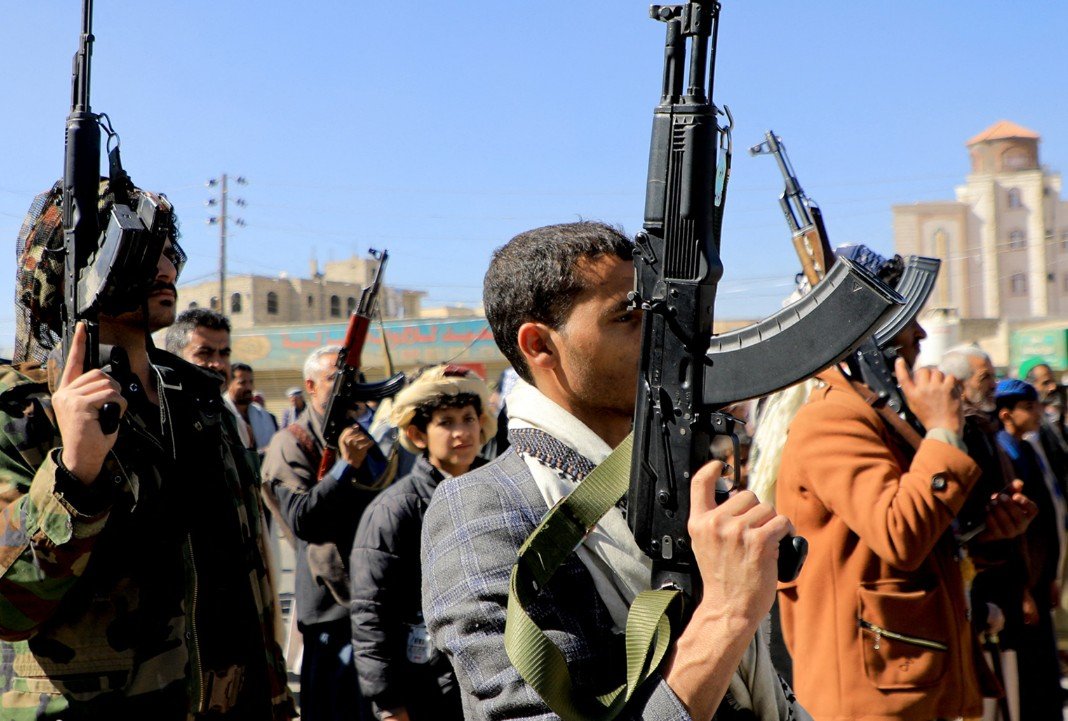
A major twist happened when Aidarous al Zubaidi, leader of the Southern Transitional Council, skipped a planned meeting in Riyadh. Reports say he fled to Somaliland by boat and then flew to Abu Dhabi. This escape, helped by the UAE, deepened the crisis. Saudi forces then advanced quickly, pushing back the separatists and securing key sites.
The bombing of Mukalla port on December 30, 2025, was a turning point. Saudi officials claimed it stopped illegal arms from reaching rebels. The UAE called it an attack on its interests. Clashes between proxy groups have killed dozens and raised fears of a wider war.
Here are some recent developments in Yemen:
- Saudi airstrikes targeted UAE linked shipments, destroying weapons worth millions.
- Separatist forces lost control of Aden, a vital trade hub.
- Coalition statements accused the UAE of undermining peace efforts.
Impact on Sudan
The rivalry spills over to Sudan, where civil war rages between the army and paramilitary groups. Saudi Arabia supports the army with funds to restore order. The UAE backs the Rapid Support Forces with weapons and training, seeing them as allies against Islamists.
This split has worsened the conflict. Since April 2023, fighting has caused over 200,000 deaths, many of them children. Famine threatens millions, with aid groups warning of catastrophe. The UAE’s role includes bankrolling militias accused of widespread abuses like looting and violence against civilians.
Sudan’s government has cut ties with the UAE, calling it an aggressor. This move risks pulling in more countries from the Horn of Africa. Experts fear the Red Sea could become a flashpoint, disrupting global shipping lanes.
| Aspect | Saudi Position | UAE Position |
|---|---|---|
| Support in Sudan | Financial aid to Sudanese Armed Forces for stability | Weapons to Rapid Support Forces to fight Islamists |
| Yemen Goals | Unified Yemen under coalition control | Independent south to secure trade routes |
| Regional Impact | Focus on border security and anti Houthi efforts | Broader influence in Africa and Middle East |
| Recent Actions | Airstrikes and troop advances in Yemen | Aid to separatists and militia backing in Sudan |
Broader Geopolitical Tensions
The dispute between Crown Prince Mohammed bin Salman and Sheikh Mohammed bin Zayed al Nahyan goes beyond two countries. It forces neighbors to pick sides. Qatar and others watch closely, as the Gulf Cooperation Council strains under the pressure.
In the Horn of Africa, UAE ports and bases clash with Saudi interests. Syria sees similar divides, with differing support for local groups. Economic rivalry adds fuel, as both nations vie for oil dominance and foreign investments.
Public accusations have grown. Saudi media blame the UAE for undermining security. Emirati officials defend their actions as necessary for regional peace. Without talks, violence could spread.
This power struggle echoes cold war dynamics in the Middle East. Smaller nations suffer the most, caught in proxy battles.
Potential for Escalation
Experts predict more clashes if the rift widens. In Yemen, Saudi advances might provoke UAE retaliation through allies. Sudan could see intensified fighting, with foreign arms flowing in.
Peace efforts stall. A planned summit in Riyadh failed when key figures did not show. International calls for calm come from the United States and United Nations, but influence is limited.
The human cost rises. Refugees flee Yemen and Sudan, straining resources in nearby countries. Global trade feels the pinch from Red Sea disruptions.
To ease tensions, dialogue is key. Both sides share interests in fighting terrorism and boosting economies. Yet pride and ambition stand in the way.
What do you think about this growing rivalry? Share your views in the comments and pass this article to friends for more discussion.