
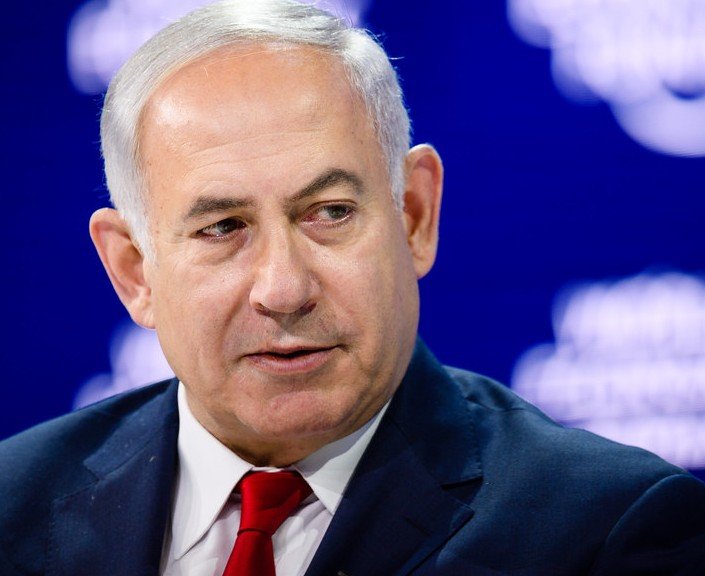
Israeli Prime Minister Benjamin Netanyahu has revealed plans to phase out Israel’s dependence on US military aid over the next decade. In a recent interview with a major publication, he stated this shift is already underway, aiming for full independence by around 2036.
Details of the Announcement
Netanyahu made the statement during an interview published on January 9, 2026. He explained that Israel would not seek a full renewal of the current 3.8 billion dollar annual military aid package from the United States, set to expire in 2028.
The prime minister highlighted Israel’s growing economy as a key factor. With the nation’s GDP expected to reach one trillion dollars in the coming years, he believes Israel can stand on its own financially.
He also mentioned ongoing efforts to boost domestic defense production. This move comes amid broader discussions on self reliance in security matters.
Netanyahu assured that strong ties with the US would remain intact. He vowed to continue advocating for American support in other forms, like political alliances.
Historical Background of US Aid to Israel
The United States has provided military aid to Israel since the late 1940s, shortly after the country’s founding. This support grew significantly over decades, becoming a cornerstone of the bilateral relationship.
In recent years, aid has averaged about 3.8 billion dollars annually under a 10 year memorandum of understanding signed in 2016. Most of this funding goes toward purchasing American made weapons and technology.
- Key milestones in US Israel aid:
- 1948: Initial recognition and early support.
- 1970s: Aid increased during regional conflicts.
- 2016: Current 38 billion dollar decade long deal.
This assistance has helped Israel maintain a qualitative military edge in the Middle East. However, it has also sparked debates about dependency and fiscal responsibility.
Aid levels have fluctuated based on geopolitical events. For instance, additional funding surged after the October 2023 attacks, reaching over 14 billion dollars in emergency support.
Reasons Behind the Decision
Netanyahu cited economic growth as the primary driver. Israel’s economy has tripled since 2000, now exceeding 500 billion dollars in GDP, with projections for further expansion.
He argued that reducing aid would enhance Israel’s global image. Less reliance on foreign funds could counter perceptions of over dependence, especially amid public relations challenges.
The decision aligns with recent domestic investments. Israel plans to allocate up to 110 billion dollars toward military self sufficiency, nearly triple the current US aid amount.
Strategic shifts play a role too. With evolving threats from Iran and other actors, Netanyahu emphasized building independent capabilities.
This announcement follows meetings with US leaders, including a December 2025 press conference with President Donald Trump. Discussions there focused on mutual interests without heavy aid emphasis.
Potential Impacts on Israel and US Relations
Phasing out aid could free up US resources for other priorities. Some American lawmakers have already expressed support, suggesting immediate cuts.
For Israel, this means ramping up local industries. Defense exports have grown, with companies like Rafael and Israel Aerospace Industries leading the way.
| Year | Annual US Aid (Billion Dollars) | Key Events |
|---|---|---|
| 2016 | 3.1 | Start of current MOU |
| 2023 | 3.8 + 14 (emergency) | Response to conflicts |
| 2026 | 3.8 (projected) | Announcement of taper |
| 2036 | 0 (goal) | Full independence |
However, challenges remain. Critics worry about short term gaps in funding for advanced systems like Iron Dome.
On the diplomatic front, ties might strengthen through equal partnerships. Netanyahu noted appreciation for past aid while pushing for independence.
Reactions from Key Figures
Responses have been mixed but mostly positive. In the US, figures like Senator Lindsey Graham suggested accelerating the process, aligning with America First policies.
Israeli officials praised the move as a sign of maturity. Opposition leaders called for careful planning to avoid security risks.
Public sentiment on social platforms shows support, with many viewing it as a step toward sovereignty. Analysts predict this could reshape Middle East dynamics.
International observers see it as part of broader trends. Countries like Saudi Arabia have watched closely, amid talks of normalized relations.
Future Outlook and Broader Implications
Looking ahead, Israel aims to negotiate a new agreement with phased reductions. This could include joint technology development instead of direct funding.
The shift might influence other US allies. Nations dependent on American aid could follow suit, promoting global self reliance.
Experts forecast economic benefits for both sides. Israel could save on long term costs, while the US reduces foreign spending.
Netanyahu linked this to wider goals, including addressing Iranian threats through regime change support.
As this develops, stay informed on how it affects international security. Share your thoughts in the comments below, and spread the word if you found this insightful.
