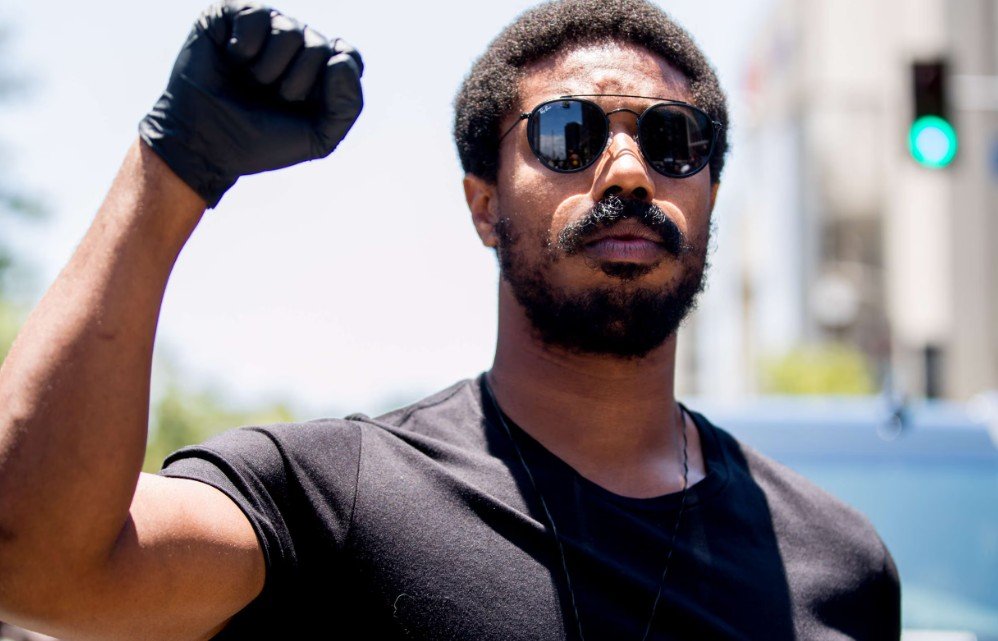
Actor Michael B. Jordan opened up about seeking therapy to decompress from his intense role as Erik Killmonger in the 2018 film Black Panther. In a recent interview on CBS Sunday Morning, he shared how the character’s mindset lingered, prompting him to address his mental health and learn the value of separating from demanding parts.
The Challenging Role That Stuck With Him
Jordan first portrayed Killmonger in Black Panther, a blockbuster that grossed over one point three billion dollars worldwide. The character is a former Navy SEAL with deep grudges, challenging his cousin for the throne of Wakanda to uplift oppressed people globally.
This role demanded Jordan dive into a mindset of anger and isolation. He explained that after filming, the emotions did not fade easily. He isolated himself to prepare, which amplified the impact. Many actors face similar struggles with method acting, but Jordan’s honesty highlights a growing trend in Hollywood.
Reports from recent interviews show he returned as Killmonger in the 2022 sequel, Black Panther Wakanda Forever. That film dealt with themes of loss after Chadwick Boseman’s passing, adding layers to Jordan’s performance.
Why Therapy Became Essential
Therapy helped Jordan process the role’s aftermath. He described it as a way to talk things out and decompress. At the time, he was still learning how to step back from characters.
This experience led to broader self-discovery. Jordan noted it sparked talks about mental health, especially for men. He proudly supports open discussions, saying it improved his communication skills.
In Hollywood, stars like Joaquin Phoenix and Heath Ledger have shared similar stories of roles affecting their well-being. Jordan’s case ties into current conversations about actor mental health amid demanding productions.
He emphasized that therapy is not a sign of weakness. Instead, it builds strength. Recent studies from the American Psychological Association show that therapy reduces stress for over seventy percent of users in creative fields.
Acclaim and Impact of Killmonger
Jordan’s performance earned widespread praise. He won awards at the NAACP Image Awards and Teen Choice Awards. Critics hailed Killmonger as one of Marvel’s most complex villains.
The role boosted his career, leading to projects like Creed III, where he directed and starred. Fans often cite Killmonger as a standout in the Marvel Cinematic Universe.
Here are key awards Jordan received for the role:
- MTV Movie Award for Best Villain
- Saturn Award for Best Supporting Actor
- Critics Choice Award nomination
This acclaim shows how his deep immersion paid off, even as it took a personal toll.
Mental Health Lessons for Fans and Peers
Jordan’s story encourages others to seek help. He wants to normalize therapy for men, who often face stigma. In 2026, mental health awareness is rising, with campaigns from organizations like the National Alliance on Mental Illness.
Actors now push for better support on sets. Studios are adding wellness resources, influenced by stories like Jordan’s.
| Year | Film | Role | Box Office (in billions) | Key Award |
|---|---|---|---|---|
| 2018 | Black Panther | Erik Killmonger | 1.3 | MTV Best Villain |
| 2022 | Black Panther Wakanda Forever | Erik Killmonger (cameo) | 0.8 | N/A (supporting) |
| 2023 | Creed III | Adonis Creed | 0.27 | Director nomination |
This table outlines Jordan’s major Marvel-related films and their success.
His openness ties into recent events, like the 2025 Hollywood strikes that included demands for mental health protections.
Future Projects and Ongoing Growth
Jordan continues to thrive. He stars in Sinners, earning Oscar buzz for 2026. Working again with director Ryan Coogler, he applies lessons from past roles.
He plans more directing and producing. Fans eagerly await his next moves in action and drama.
Jordan’s journey shows growth beyond the screen. He inspires by sharing vulnerabilities.
What do you think about actors seeking therapy for roles? Share your thoughts in the comments and spread this story to raise awareness about mental health.