Saudi-backed troops moved into Yemen’s coastal city of Mukalla on Sunday, regaining control of Hadramout province after days of airstrikes forced out UAE-backed southern separatists, marking a sharp shift in the fragile balance of power in the country’s south.
Residents watched from sidewalks as armored vehicles rolled through the provincial capital, signaling the return of forces loyal to Yemen’s internationally recognized government after weeks of tension and uncertainty.
Armored Columns Roll Into Mukalla
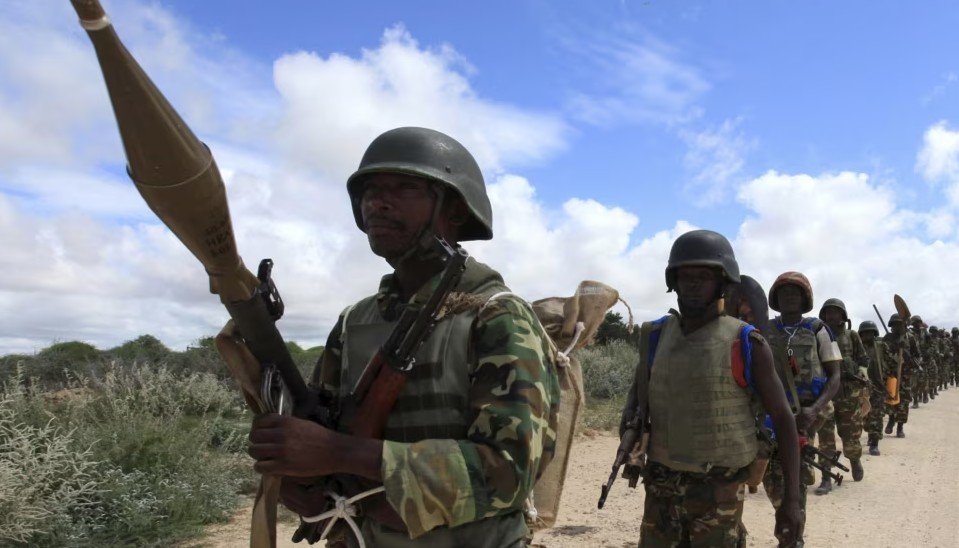
The takeover unfolded quickly on Sunday morning. Columns of vehicles belonging to the National Shield Forces drove through central Mukalla, passing government buildings, residential neighborhoods, and key junctions.
Footage obtained by The Associated Press showed residents waving and filming on their phones as troops advanced. Some clapped. Others just stood there, quietly watching. After weeks of instability, any sign of order felt, to many, like relief.
Security forces were also seen deploying around al-Rayyan Airport, a strategic facility east of the city that has long been contested by rival factions.
By nightfall, checkpoints had been re-established across Mukalla. The streets were tense but calm.
One local resident summed it up in a single sentence: at least the shooting stopped.
How Airstrikes Tipped the Balance
The retaking of Mukalla followed several days of Saudi airstrikes targeting positions held by the Southern Transitional Council, commonly known as the STC.
Those strikes cleared the way for the National Shield Forces to move in with minimal ground resistance. Yemeni officials said the operation was coordinated with the internationally recognized government and aimed at restoring state authority in Hadramout.
The STC had seized control of Mukalla last month as part of a wider push into eastern Yemen. That move raised alarms in Riyadh, where officials see Hadramout as a strategic buffer bordering Saudi territory.
Basically, this was a red line.
The Saudi-led coalition has not released detailed figures on the strikes, and independent casualty numbers remain unclear.
Residents Describe a Sudden Withdrawal
Inland towns across Hadramout felt the shift almost immediately. Ahmed Samaan from al-Qatn and Bakr al-Ketheri from Seiyun told the AP that STC fighters had pulled out of military camps and checkpoints with little warning.
“It happened fast,” said one resident, who asked not to be named. “They were here, then they weren’t.”
The withdrawal appeared orderly rather than chaotic. There were no reports of large-scale clashes inside Mukalla itself during the takeover, suggesting a tactical decision rather than a last stand.
For civilians, that mattered.
Hadramout has largely avoided the worst urban destruction seen in other parts of Yemen. Many fear that open fighting in Mukalla would have changed that overnight.
Why Hadramout Matters So Much
Hadramout is Yemen’s largest province by area and one of its most valuable. It includes oil-producing regions, ports along the Arabian Sea, and key transport routes linking the interior to the coast.
Control of the province has long been contested by rival factions, each backed by different regional powers.
Here’s why the province sits at the center of the struggle:
-
It contains oil fields critical to Yemen’s remaining state revenue
-
It borders Saudi Arabia, making it strategically sensitive
-
It offers access to ports outside the Red Sea conflict zone
That combination makes Hadramout more than just another battleground. It’s leverage.
Last month’s STC advance pushed out government-aligned forces and shifted control of several oil-rich areas. The response from Riyadh was swift, and ultimately decisive.
Saudi Arabia and the UAE: Allies With Different Goals
The latest developments underline the growing strain between Saudi Arabia and the United Arab Emirates, both key players in Yemen’s long-running conflict.
While Riyadh backs Yemen’s recognized government, Abu Dhabi has supported the STC, which seeks an independent southern state. The two goals don’t always align, and Hadramout has become one of the clearest fault lines.
Neither country has publicly criticized the other over this latest round of fighting. Still, the message on the ground is hard to miss.
Saudi-backed forces are in control. UAE-backed separatists have stepped aside, at least for now.
Analysts say the episode highlights how Yemen’s conflict is no longer just about the fight against the Iran-aligned Houthi movement, but also about who shapes the country’s future map.
What Happens Next on the Ground
By Sunday evening, Yemeni officials said government forces were consolidating their positions across Mukalla and surrounding districts. Security patrols were increased, and efforts were underway to reopen administrative offices disrupted during the STC takeover.
There is no clear indication yet whether STC forces will attempt to return or shift focus elsewhere, including neighboring Mahra province, where tensions remain high.