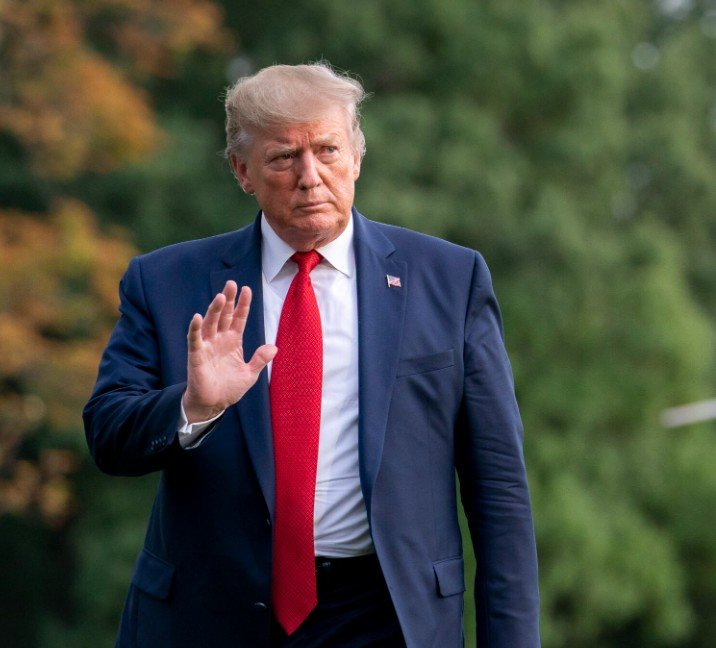
US President Donald Trump finds himself stuck between two key allies as tensions boil over between Saudi Arabia and the United Arab Emirates. Recent clashes in Yemen and disputes in Sudan have pushed the rift into the open, forcing Trump to pick sides in a region vital to US interests.
Roots of the Growing Divide
Saudi Arabia and the UAE once teamed up closely in the Middle East, but cracks started showing years ago. Their joint efforts in Yemen back in 2015 aimed to stop Houthi rebels, yet differing goals split them apart over time.
Experts point out that the UAE has built its own influence by backing local groups, while Saudi Arabia focuses on stability under its lead. This shift became clear during the Qatar blockade nearly a decade ago, but things stayed under wraps until now.
Recent events have made the split public. Reports show Saudi Crown Prince Mohammed bin Salman plans to push Trump hard on the UAE’s moves in Sudan and Yemen. The UAE’s bold foreign policy, including ties with Israel through the Abraham Accords, adds more layers to the mess.
Yemen Becomes the Flashpoint
Yemen has turned into the main battleground for this rivalry. Saudi forces recently launched airstrikes on groups backed by the UAE, leading to a quick UAE pullout from some areas.
The southern separatists, supported by the UAE, welcomed Saudi calls for talks, hinting at a possible cooldown. But the strikes exposed deep mistrust between the two Gulf powers.
Fighting broke out over key regions in southern Yemen, with separatists pushing for independence. Saudi Arabia called it a move to restore order, while the separatists accused Riyadh of overreach.
This clash risks pulling in more players and destabilizing the fragile peace efforts in Yemen. Observers worry it could undo years of work to end the civil war that has killed thousands and left millions hungry.
- Key events in Yemen’s recent escalation:
- Late December 2025: Saudi airstrikes hit UAE-aligned forces.
- Early January 2026: UAE withdraws troops after a 24-hour ultimatum.
- January 4, 2026: Separatists announce a draft constitution for an independent south.
Sudan’s Role in the Dispute
The tensions spill over to Sudan, where the UAE backs the Rapid Support Forces in the ongoing civil war. Saudi Arabia sees this as a threat to regional balance and has urged Trump to step in.
Reports indicate the UAE provides arms and support to the RSF, accused of serious abuses in Darfur. This has drawn criticism from human rights groups and complicated peace talks.
Trump has spoken about the horrors in Sudan, calling it the world’s worst humanitarian crisis. He promised to mediate, but pressure from Saudi Arabia puts him in a tough spot.
The UAE’s investments in the US, including big deals in tech and crypto, make it hard for Trump to act against them. Yet Saudi demands for action against UAE involvement grow louder.
Trump’s Tough Balancing Act
Trump’s ties with both nations run deep. He brokered deals like the Abraham Accords and strengthened defense pacts with Saudi Arabia during his first term.
Now, back in office, he faces direct lobbying from Mohammed bin Salman to curb UAE actions in Yemen and Sudan. Sources suggest Trump feels torn, with economic perks from the UAE clashing against Saudi strategic needs.
His administration has stayed quiet so far, but experts say he might lean toward Saudi Arabia to keep oil markets stable and counter Iran. A wrong move could weaken US influence in the Gulf.
| Aspect | UAE Position | Saudi Position | Trump’s Challenge |
|---|---|---|---|
| Yemen Strategy | Supports southern separatists for influence | Pushes for unified government under its lead | Risks alienating a key ally in anti-Houthi efforts |
| Sudan Involvement | Backs RSF militia with arms and funds | Opposes RSF, seeks end to civil war | Pressure to sanction UAE without hurting US investments |
| Economic Ties | Massive investments in US tech and crypto | Major oil supplier and defense partner | Balancing “unlimited cash” from UAE with Saudi stability |
| Regional Alliances | Close with Israel via Abraham Accords | Focuses on Gulf unity against Iran | Maintaining peace deals without picking sides |
Wider Impacts on the Region
This rift could reshape alliances across the Middle East and Africa. If unresolved, it might empower groups like the Houthis or open doors for Iran to gain ground.
Nations like Egypt and Qatar watch closely, as their own ties with the Gulf powers hang in the balance. The US role as a mediator becomes crucial to avoid broader conflict.
Humanitarian costs mount, with Yemen and Sudan already facing famine and displacement. Aid groups call for quick talks to prevent more suffering.
What Happens Next
Analysts predict Trump will host meetings with both leaders soon to ease tensions. Possible outcomes include new agreements on Yemen or limits on UAE actions in Sudan.
The situation remains fluid, with fresh reports of dialogue in Yemen offering hope. Yet deep distrust means any fix will take time and careful diplomacy.
Share your thoughts on how Trump should handle this clash. Comment below or spread the word to keep the conversation going.