
What should have been a routine football transfer turned into a political flashpoint in Italy. The arrival of Israeli winger Manor Solomon at ACF Fiorentina has stirred outrage, applause, and a broader debate about where sports end and politics begin.
The controversy erupted even before the ink was dry on the contract. As Solomon completed medical tests in Florence, criticism from a local politician pushed the deal far beyond the back pages of the sports section.
From Transfer News to Political Headline
At 26, Manor Solomon is hardly new to European football. His loan move from Tottenham Hotspur to ACF Fiorentina, with an option to buy, looked straightforward on paper.
But on Friday, as Solomon was in Florence finalizing the move, Jacopo Madau, a local politician, published a Facebook post that changed the tone instantly.
“YOU ARE NOT WELCOME IN FLORENCE,” wrote Jacopo Madau, secretary of the local branch of Sinistra Italiana and a culture councilor in nearby Sesto Fiorentino.
In the same post, Madau accused Solomon of supporting Israeli Prime Minister Benjamin Netanyahu’s policies and argued that such a figure should not represent Florence or Fiorentina.
One sentence. All caps. And suddenly, the transfer was about much more than football.
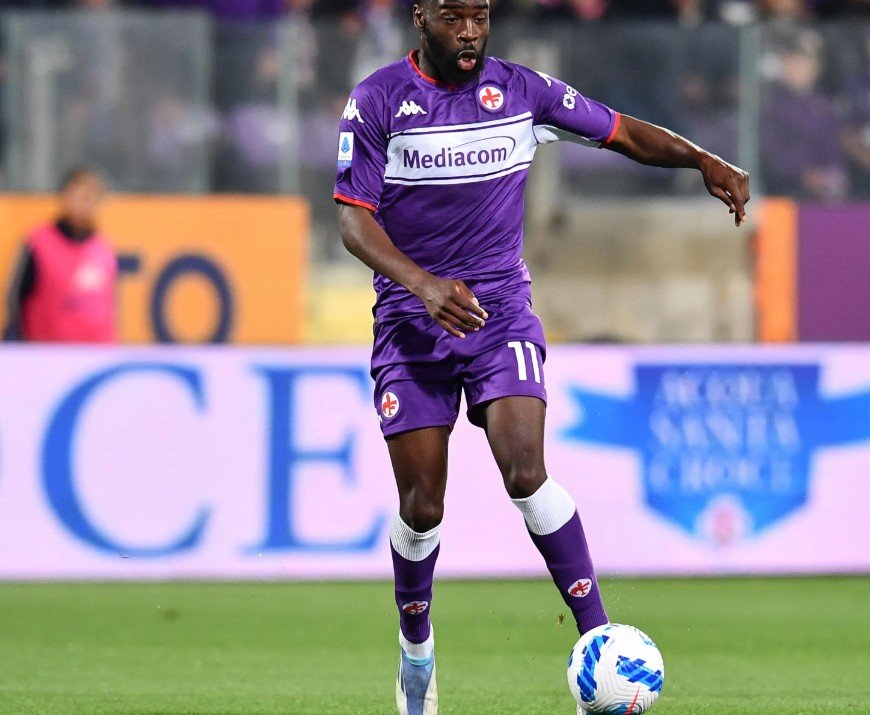
Fiorentina Pushes Ahead, Unfazed
Just hours after the post went viral, Fiorentina confirmed Solomon as their newest player. The club’s announcement made no reference to the political uproar, focusing instead on his career and experience.
Solomon’s résumé is solid, even by Serie A standards. He began at Maccabi Petah Tikva before moving through Shakhtar Donetsk, Fulham, Villarreal, and Leeds United. Across competitions, he has logged around 30 appearances in the Champions League and Europa League.
It was, basically, a standard signing announcement.
And yet, silence from the club only amplified the noise elsewhere.
Fans debated online. Italian media latched on. Sports radio shows spent hours arguing whether a footballer’s nationality should ever be grounds for protest.
A Backlash From Across the Political Aisle
Madau’s comments did not go unanswered. In Florence’s municipal council, representatives from right-wing and center-right parties issued a joint statement condemning his words as “full of hatred” and calling for his resignation.
The criticism wasn’t subtle.
“The attacks from the left against Jewish soccer player Manor Solomon testify to a deep social evil,” wrote MP Isabella De Monte of Forza Italia on X. She added that it was unacceptable for an elected official to target a professional athlete simply because he is Israeli.
That line hit hard, and fast.
Even politicians who rarely agree found themselves aligned on this point. Several argued that crossing the line from policy criticism into personal exclusion risked normalizing discrimination under the banner of political activism.
One sentence summaries popped up everywhere: this is bigger than football.
Florence, Football, and a City Caught in the Middle
Florence is no stranger to politics spilling into public life. The city has long been a stage for cultural debates, protests, and ideological clashes. Still, many locals expressed discomfort at seeing a football transfer turned into a symbolic battleground.
Outgoing mayor Dario Nardella did not directly comment on Solomon’s signing, but figures close to city leadership emphasized Florence’s identity as an open, international city.
That matters, especially for a club like Fiorentina, whose fanbase spans far beyond Tuscany.
A few realities frame the situation:
-
Fiorentina competes in a global league, with players from dozens of countries
-
Serie A clubs routinely sign athletes with diverse political and cultural backgrounds
-
Targeting one player risks setting a precedent that clubs and leagues struggle to control
You know, once that door opens, it doesn’t close easily.
Solomon’s Silence and the Athlete’s Dilemma
Notably, Solomon himself has stayed silent throughout the controversy. No statement. No post. No response.
For many athletes, that silence is strategic. Speaking can escalate things. Staying quiet sometimes lets the storm burn itself out.
But the situation highlights a broader issue modern players face. They are no longer judged only on form, goals, or assists. Social media histories, perceived political leanings, and even nationality can suddenly become central to their careers.
For Solomon, the challenge now is simple on paper and difficult in reality: perform on the pitch and let football do the talking.
That’s easier said than done when every touch of the ball comes with extra baggage.
Serie A and the Growing Intersection of Sports and Ideology
Italian football has wrestled with political expression before. Stadium banners, fan chants, and symbolic gestures have often reflected wider social tensions.
What makes this case different is the speed. A local Facebook post turned into an international story within hours.
It raises uncomfortable questions.
Can clubs realistically insulate themselves from politics? Should they even try? And where does legitimate protest end and personal exclusion begin?
There are no clean answers. But many observers argue that singling out an individual player crosses a line, especially when accusations hinge on nationality rather than direct actions.
In that sense, the Solomon transfer has become a mirror. It reflects anxieties far beyond Florence or Serie A.
Football Goes On, Even When the Noise Doesn’t
Preseason training will start. Matches will be played. Goals will be scored or missed. Fans will cheer or boo.
Whether the controversy fades or resurfaces depends largely on what happens next. A strong performance can quiet a lot of criticism. A poor run of form might inflame it again.
For now, Fiorentina has its winger. Solomon has his new club. And Italian football has another reminder that the pitch is no longer isolated from the arguments raging off it.
