Israeli and Syrian officials are set to meet in Paris starting Monday for a new round of negotiations on a security agreement. The talks, mediated by the United States, come after a two-month pause and follow a push from President Donald Trump to reach a deal quickly.
These discussions aim to address border security issues after Israel’s military moves into southern Syria last year. They mark the fifth round since talks began, with both sides seeking to stabilize the region amid ongoing tensions.
Background on the Stalled Negotiations
The talks stalled in November due to disagreements over key demands. Israel had pushed for a humanitarian corridor into Syria’s Sweida province to aid the Druze community, which faced violence after the fall of Bashar al-Assad’s regime in 2024.
Syria rejected this, viewing it as a threat to its sovereignty. Reports later showed Israel shifting to demands for full diplomatic relations, which Damascus said was not possible yet.
The negotiations restarted after Trump met Israeli Prime Minister Benjamin Netanyahu at Mar-a-Lago last week. Trump has voiced strong support for a deal, warning against actions that could destabilize Syria’s new leadership under President Ahmad al-Sharaa.
Israel entered southern Syria in late 2024, citing risks from terror groups taking control of the area. This move voided parts of the 1974 disengagement agreement, creating a buffer zone patrolled by the UN.
Recent events, like IDF clashes with gunmen in Syria, have added urgency. Optimism grew in September for a quick agreement, but sticking points halted progress.
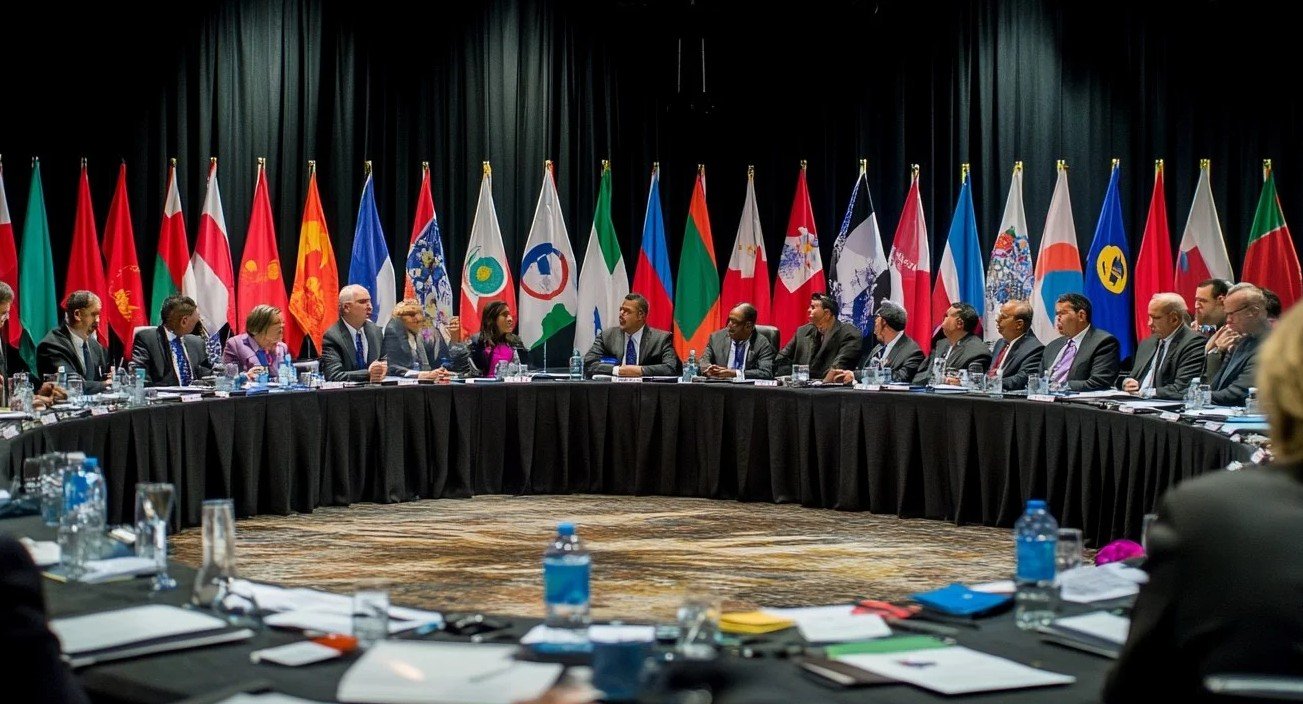
Key Players Leading the Discussions
On the Israeli side, Ambassador to the US Yechiel Leiter heads the team, joined by Netanyahu’s military secretary Maj. Gen. Roman Gofman and acting National Security Adviser Gil Reich. This follows the resignation of Strategic Affairs Minister Ron Dermer, who led earlier rounds.
Syria’s Foreign Minister Asaad al-Shaibani represents Damascus. US envoy Tom Barrack, also ambassador to Turkey, mediates the talks.
Trump has been a driving force, expressing satisfaction with Syria’s new government. Netanyahu agrees on the need for speed but stresses that any deal must protect Israel’s security red lines along the border.
These leaders bring experience from past diplomacy. For example, Barrack has confirmed prior meetings where both sides agreed on some points, building a foundation for current efforts.
Major Sticking Points and Demands
Both nations have clear red lines. Israel insists on demilitarizing southwestern Syria and protecting the Druze community.
Syria demands an end to Israeli interference and a return to 1974 armistice terms. It also opposes any support for separatist groups.
Here are some key demands from recent reports:
- Israel seeks guarantees against terror threats from Syrian territory.
- Syria wants pledges that Israel will not back opposition forces.
- Both sides aim for border stability to prevent escalations.
Disagreements over aid corridors and diplomatic ties have been hurdles. Sources indicate Israel may have adjusted its terms, focusing more on security than full relations now.
The talks are expected to last two days, with potential for extension if progress is made.
Timeline of Recent Developments
To understand the context, here is a table outlining key events in the Israel-Syria talks:
| Date | Event | Details |
|---|---|---|
| December 2024 | Fall of Assad regime | Israel seizes parts of southern Syria for security reasons. |
| September 2025 | Optimism for deal | Initial talks in Paris show progress on basic agreements. |
| November 2025 | Talks stall | Disputes over humanitarian aid and diplomatic relations halt advancements. |
| December 2025 | Trump warns Israel | US president urges stability under Syria’s new leadership. |
| January 2026 | Talks resume | New round begins in Paris with US mediation. |
This timeline shows how quickly the situation has evolved, tying into broader Middle East shifts like protests in Iran and conflicts in Yemen.
Potential Outcomes and Challenges Ahead
A successful deal could lead to a new security framework, possibly restoring parts of the 1974 agreement. It might include demilitarized zones and monitoring by international forces.
Challenges remain, including ongoing IDF operations in Syria up to 15 kilometers inside the border. These aim to secure weapons that could threaten Israel.
Experts suggest a deal would boost regional stability, especially with Trump’s push. However, if red lines are crossed, talks could fail again.
Broader factors, like Iran’s unrest and Yemen’s conflicts, add complexity. A pact might influence other negotiations, such as those involving Lebanon.
Broader Implications for the Region
These talks occur amid shifting Middle East dynamics. Trump’s administration has prioritized deals, as seen in recent actions in Venezuela.
For Israel, a stable Syrian border reduces threats from groups like Hezbollah. Syria gains legitimacy and aid under its new government.
The Druze community’s safety is a focal point, with hundreds killed in sectarian violence. Israel has vowed protection, linking it to the talks.
If successful, this could set a precedent for US-mediated accords elsewhere. Failure might escalate tensions, affecting global powers like Russia and Iran.
As these negotiations unfold, readers should share thoughts in comments and spread the article to keep informed on this developing story.