Egypt has finalised a strategic agreement to develop Djibouti’s Doraleh port, a move widely seen as part of Cairo’s broader effort to increase pressure on Ethiopia amid the long running dispute over Nile waters. The deal was sealed during a visit this week by Egypt’s Deputy Prime Minister and Transport Minister Kamel El Wazir to the Horn of Africa nation.
The agreement comes at a sensitive moment in regional politics, as tensions remain high between Egypt and Ethiopia over control, access and future development along the Nile River.
Strategic port deal signed during high level visit
The Egyptian government confirmed that Kamel El Wazir concluded the agreement during official talks in Djibouti. The partnership focuses on developing Doraleh port on the Gulf of Aden, one of the most critical maritime hubs in East Africa.
Doraleh serves as the primary trade gateway for landlocked Ethiopia and sits close to one of the world’s most important shipping corridors. By stepping into port development in Djibouti, Egypt is positioning itself closer to the economic and security arteries that Ethiopia relies on.
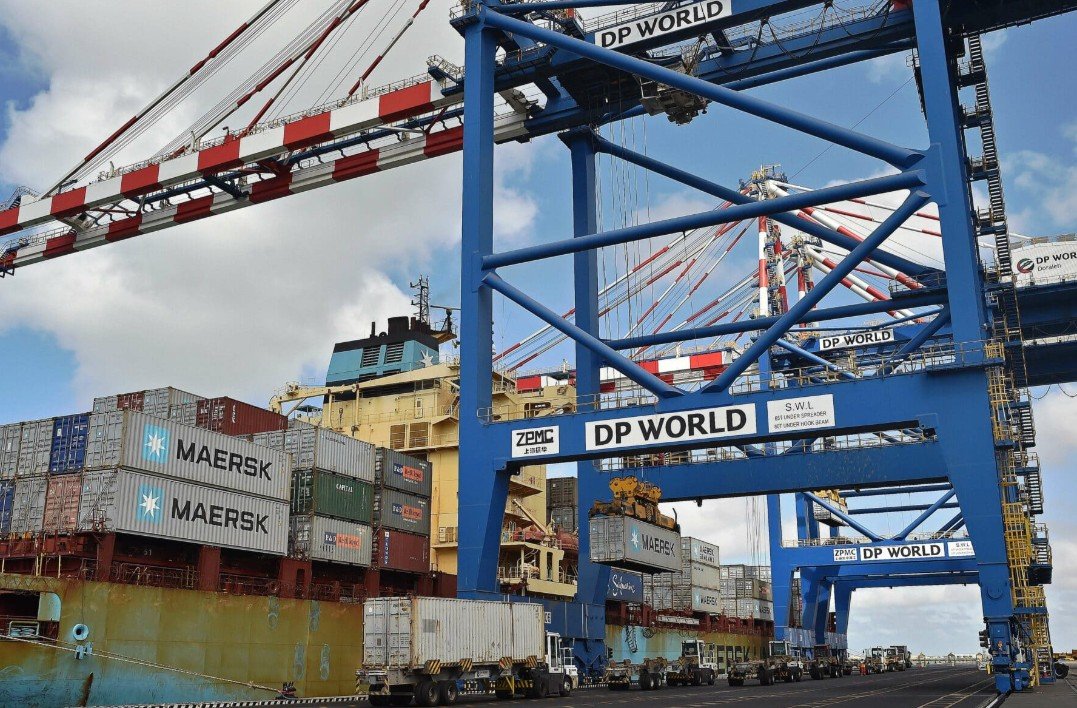
Officials described the visit as part of Egypt’s drive to expand its role in the Horn of Africa, with Djibouti identified as a central pillar due to its geographic location and influence over Red Sea security.
Doraleh port upgrades and economic plans
According to Egypt’s Transport Ministry, Egyptian and Djiboutian companies have agreed to jointly develop Doraleh port. The project includes infrastructure upgrades aimed at boosting capacity and supporting international shipping traffic.
Key elements of the planned development include:
-
Construction of a solar power station to support port operations
-
Establishment of a logistics centre serving global maritime trade
-
Expansion of port facilities to handle increased cargo volumes
While the official statement focused on commercial aspects, the scale and location of the project give it broader strategic weight.
Pressure point for landlocked Ethiopia
Doraleh port is vital for Ethiopia, which has been landlocked since Eritrea gained independence in the early nineteen nineties. The vast majority of Ethiopian imports and exports pass through Djibouti, making Doraleh a critical economic lifeline.
By deepening its footprint in Djibouti’s port infrastructure, Egypt gains leverage in a region where Ethiopia’s access to global trade is concentrated. Analysts see this as a calculated move to counter Addis Ababa’s position in the Nile dispute without direct confrontation.
The deal follows reports that Egypt is also pursuing port development agreements in Eritrea, further tightening its strategic presence around Ethiopia.
Red Sea security and military implications
Both Doraleh and Eritrea’s Assab port lie near the Bab al-Mandeb, the southern gateway to the Red Sea. This narrow strait is one of the world’s most important maritime chokepoints, linking Europe, Asia, the Middle East and East Africa.
Sources familiar with regional security dynamics say Egypt is keen to ensure that control over Red Sea access points does not shift in ways that could threaten its national interests. Cairo has repeatedly opposed any attempt by landlocked states to gain a territorial foothold on the Red Sea coastline.
Egypt already has more than two thousand kilometres of Red Sea coastline on its mainland and the Sinai Peninsula, reinforcing its view that Red Sea security is a core national concern.
Nile dam dispute adds urgency
The port deal comes against the backdrop of Egypt’s unresolved dispute with Ethiopia over the Nile dam, which Cairo sees as a direct threat to its water security. Egyptian officials have repeatedly warned against unilateral actions on the river, stressing that any future dams must not harm downstream nations.
By strengthening ties with Djibouti and expanding its role in Red Sea logistics, Egypt is signaling that it has tools beyond diplomacy to protect its strategic interests.
Horn of Africa emerges as key arena
Egypt’s growing engagement in the Horn of Africa reflects a broader shift in its foreign policy. Rather than limiting its focus to North Africa and the eastern Mediterranean, Cairo is increasingly active along vital trade routes that shape regional power balances.
For Djibouti, the partnership offers infrastructure investment and deeper economic ties with one of the Arab world’s largest economies. For Egypt, it represents influence, access and leverage at a critical geopolitical crossroads.
As the Nile dispute continues with no clear resolution in sight, moves like the Doraleh port deal suggest Egypt is preparing for a longer and more complex strategic contest.
What do you think this deal means for Red Sea politics and the future of Nile negotiations? Share your views and join the discussion.