Coffee is no longer reserved for formal visits or special gatherings in Jordan. From early mornings to late nights, cafés across the country are buzzing, signaling deeper shifts in how Jordanians live, work, and socialize, according to a recent report by Xinhua.
From tradition to daily habit
For generations, coffee in Jordan carried ceremony. It was poured during family visits, weddings, and moments of condolence. Today, it has slipped comfortably into daily routines.
As urban life accelerates, coffee has become a companion to commuting, studying, and remote work. In cities like Amman, grabbing a cup on the way to the office or settling into a café for hours no longer feels novel. It feels normal.
This shift, observers say, reflects broader lifestyle changes rather than simple taste preferences.
Urban growth reshapes consumption
According to Amin Alasoufi, head of the Economic Studies and Research Department at the Amman Chamber of Industry, coffee consumption has moved from an occasional indulgence to a steady consumer habit.
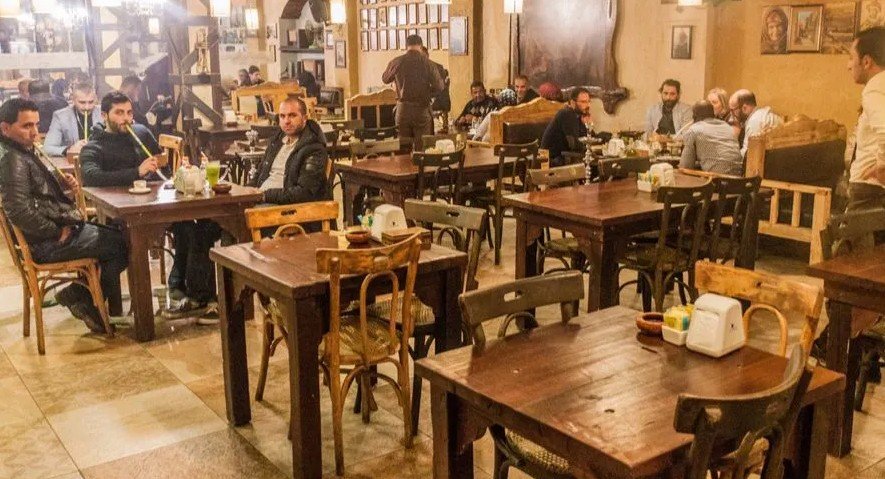
Population density, longer working hours, and evolving social norms have all played a role, especially in the capital. Amman’s expanding neighborhoods and youthful population have created fertile ground for café culture to grow.
Basically, people need places to pause, connect, and recharge. Coffee shops fit that need neatly.
Imports tell the story in numbers
The scale of change becomes clearer when looking at trade data.
In 2024, Jordan imported more than 55,600 tons of coffee, valued at about 151.2 million Jordanian dinars, or roughly $213 million. That figure alone hints at how deeply coffee has embedded itself into everyday life.
Average annual consumption has reached around 5 kilograms per person, a level that signals sustained, not seasonal, demand.
Here’s a quick snapshot of the trend:
| Indicator (2024) | Figure |
|---|---|
| Coffee imports | 55,600+ tons |
| Import value | 151.2m JOD |
| Avg. consumption | ~5 kg per person |
| Number of cafes | 1,664+ |
Numbers like these don’t come from hype. They come from habit.
Cafés as social and work spaces
The growth in consumption has gone hand in hand with an explosion in café openings. The number of coffee shops operating across Jordan has surpassed 1,664, up 9.6 percent compared with 2023.
But these aren’t just places to drink coffee.
Cafés have become flexible spaces where people meet friends, hold informal business discussions, study for exams, or work remotely. In some neighborhoods, they’ve quietly replaced offices, living rooms, and even libraries.
One café owner joked that his shop sees more laptops than textbooks these days.
This multipurpose role explains why coffee culture has stuck, even as other discretionary spending fluctuates.
Entrepreneurs find resilience in coffee
For business owners, coffee has proven surprisingly durable.
Mohammad Odeh, who opened a specialty café in western Amman three years ago, said sales tend to hold steady even when the broader economy softens. Customers may cut back elsewhere, but they keep coming back for their daily cup.
“You see people adjust,” he said. “They might order a smaller drink, but they don’t stop coming.”
That resilience has made coffee attractive to entrepreneurs looking for relatively stable ventures in an uncertain economic environment.
Margins can be tight. Competition is intense. Still, demand rarely disappears.
A mirror of social change
Beyond economics, coffee culture offers a glimpse into shifting social habits.
Younger Jordanians are spending more time outside the home. Work-life boundaries are blurrier. Social interactions are more casual, less formal. Coffee fits neatly into that rhythm.
It’s also more inclusive. Cafés bring together students, freelancers, families, and professionals under one roof, often for hours at a time. In a society balancing tradition and modernity, that matters.
Even the way coffee is consumed has changed. Specialty brews, iced drinks, and international styles sit alongside classic Arabic coffee. Old and new coexist, sometimes on the same menu.
What the trend suggests going forward
The report from Xinhua frames coffee not as a fad, but as a signal.
As Jordan continues to urbanize, lifestyle-driven consumption is likely to grow, especially in sectors that blend social life with everyday necessity. Coffee sits squarely at that intersection.
Challenges remain, of course. Rising import costs, rent pressures, and competition could thin the market. Not every café will survive.