
Lebanon has signed a new agreement with Egypt to purchase natural gas, marking a fresh attempt to tackle chronic electricity shortages and move away from heavy reliance on fuel oil. Officials say the deal is a necessary, if long overdue, step.
A deal shaped by years of darkness and diesel fumes
For most people in Lebanon, electricity cuts are part of daily life. Lights flicker on and off. Elevators stall. Air conditioners hum only when private generators kick in.
Against that backdrop, the memorandum of understanding signed with Egypt carries real weight.
Lebanon’s government confirmed that the agreement aims to secure natural gas for electricity generation, easing pressure on ageing power plants that still depend largely on fuel oil. The hope, officials say, is fewer outages and lower long-term costs.
The deal was signed by Joe Saddi and Karim Badawi, formalising energy cooperation between two countries facing very different, yet linked, economic realities.
Why natural gas matters for Lebanon’s grid
Lebanon’s electricity sector has long been a financial sinkhole. Since the end of the civil war in 1990, the state has poured more than $40 billion into power generation, with little to show for it.
Plants are old. Losses are high. Bill collection is weak. You know the story.
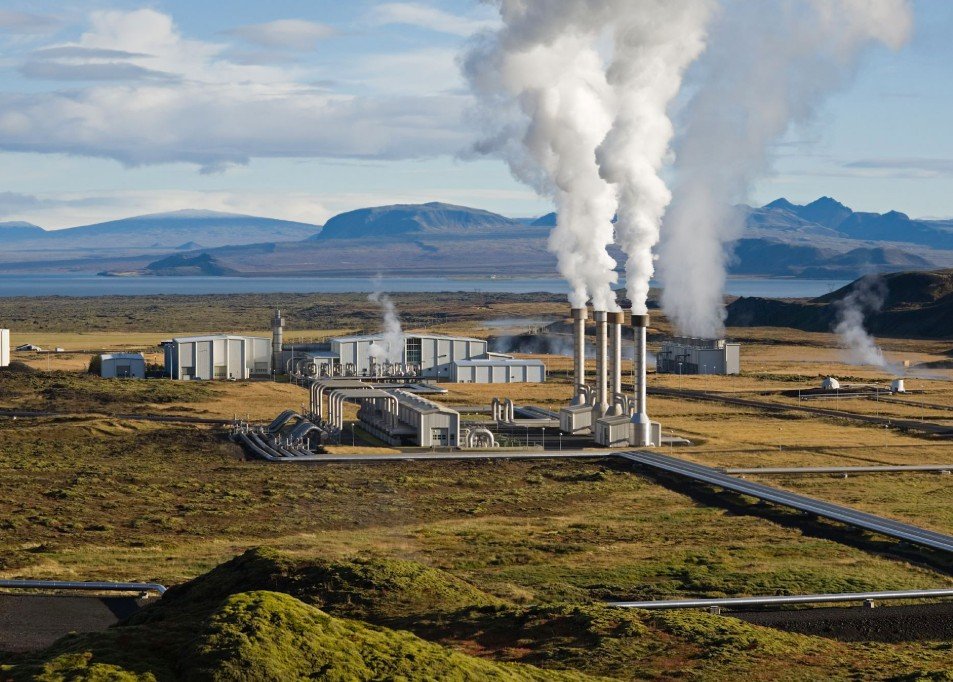
Natural gas offers a partial reset. It burns cleaner than fuel oil and is generally cheaper, especially for large-scale power generation. For a cash-strapped state, every dollar saved matters.
Saddi said Lebanon’s strategy is twofold. First, shift power plants toward gas. Second, diversify sources so the country is not locked into a single supplier or fuel type.
He was blunt about the timeline, though. This won’t happen overnight.
Pipelines, repairs, and the slow grind of reality
One sentence from Saddi stood out: “The process will take time.”
The gas is expected to flow through the Arab Gas Pipeline, which links Egypt to Jordan, Syria, and Lebanon. Parts of that network, especially on Lebanese soil, are in rough shape.
Years of neglect and damage mean rehabilitation is unavoidable.
Lebanon plans to reach out to donor agencies to help fund repairs to its section of the pipeline. Officials estimate the work could take several months once financing is secured.
That’s a big “once.”
In the meantime, the country remains stuck with its patchwork system:
-
Limited state electricity, often just a few hours a day
-
Expensive private generators filling the gap
-
Growing reliance on rooftop solar for those who can afford it
The gas deal doesn’t erase these problems, but it gestures at a different future.
Political backing from the top
President Joseph Aoun welcomed the agreement, calling it a “practical and essential step” to increase electricity production.
His language matters. In Lebanon, energy reform has a habit of dying in political gridlock. Public endorsement from the presidency signals an effort to keep momentum alive.
Prime Minister Nawaf Salam’s office echoed that tone, saying the agreement is meant to meet Lebanon’s gas needs specifically for power generation.
Still, skepticism runs deep. Many Lebanese have heard similar promises before, only to see them fade amid funding gaps and political disputes.
Egypt’s role as a regional gas hub
For Egypt, the deal fits into a wider regional picture.
Over the past decade, Cairo has positioned itself as a key energy player in the eastern Mediterranean. It produces gas domestically, imports gas from neighbors, and exports through existing infrastructure.
Supplying Lebanon strengthens Egypt’s diplomatic and economic footprint, even if volumes are modest at first.
Analysts say Egypt also benefits by keeping regional pipelines active. Infrastructure that sits idle tends to decay, politically and physically.
And yes, there are risks. Regional tensions, sanctions, and security concerns along pipeline routes all loom in the background.
Ordinary lives caught between policy and power cuts
While officials talk strategy, households are counting generator hours.
Private electricity is expensive. Bills can rival rent in some neighborhoods. Solar panels help, but upfront costs shut many people out.
So the gas agreement lands less as a grand geopolitical move and more as a question whispered in kitchens: will this actually change anything?
If natural gas allows state plants to run longer and cheaper, even a few extra hours of power per day would be felt immediately.
Shops could cut generator costs. Students could study without planning around outages. Hospitals could breathe easier.
That’s the quiet promise hanging over the deal.
A long road with cautious optimism
No one in Beirut is pretending this agreement solves Lebanon’s energy crisis. It doesn’t fix governance failures or decades of mismanagement.
But it does mark a shift in direction.
Moving away from fuel oil. Seeking regional cooperation. Acknowledging that electricity is not just a technical issue, but a social one.
