
Prime Minister Narendra Modi wrapped up a key visit to Oman and Jordan in mid-December 2025, focusing on trade deals and regional ties. Experts see this as a clear move to boost the India-Middle East Economic Corridor, or IMEC, while sidelining Turkey amid growing tensions.
This trip, part of a three-nation tour including Ethiopia, aimed to strengthen India’s role in West Asia and Africa. Modi met with leaders like Jordan’s King Abdullah II and Oman’s Sultan Haitham bin Tariq to discuss economic partnerships and security. The visit comes at a time when global trade routes face shifts due to conflicts and rival initiatives like China’s Belt and Road.
Visit Highlights and Key Meetings
Modi started his journey in Jordan on December 15, 2025, where he held talks with King Abdullah II. They covered trade, defense, and cultural exchanges. The leaders praised India’s economic growth and explored ways to link their economies through new corridors.
Next, Modi traveled to Oman on December 17. There, he signed a Comprehensive Economic Partnership Agreement to boost trade in energy, technology, and maritime sectors. This deal could increase bilateral trade by 20 percent in the next five years, based on recent economic forecasts.
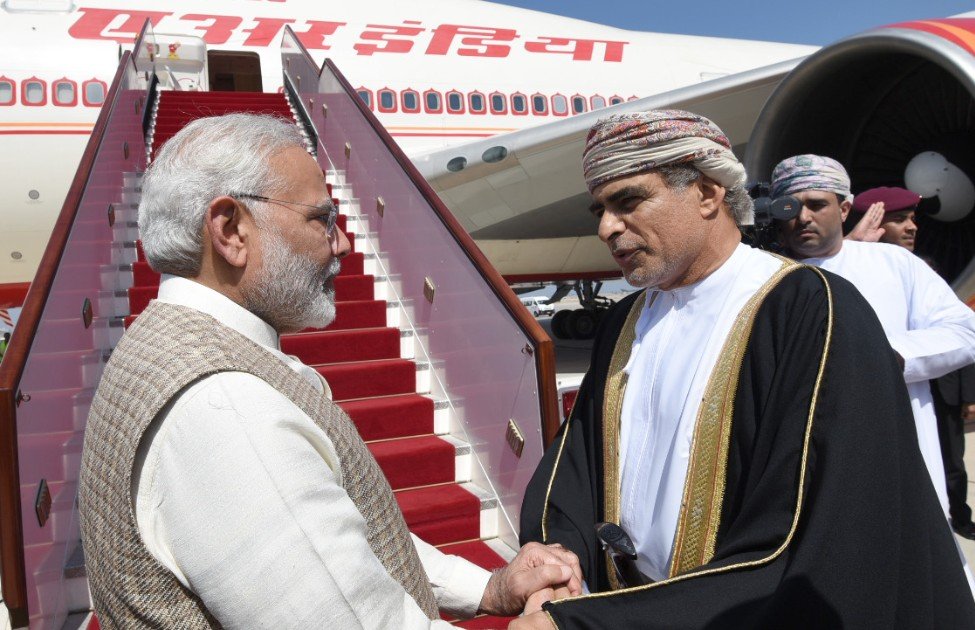
The visit also included stops in Ethiopia, but the focus on Oman and Jordan stood out for their strategic locations. These nations sit at vital points for shipping and energy flows.
- Enhanced defense cooperation with Jordan to share intelligence on regional threats.
- Agreements in Oman for joint ventures in renewable energy and port development.
- Discussions on cultural ties, including student exchanges and tourism promotion.
IMEC Corridor Takes Center Stage
The India-Middle East Economic Corridor emerged as a major theme during Modi’s trip. Launched in 2023 at the G20 summit, IMEC aims to connect India to Europe through the Middle East. It offers a faster alternative to existing routes, cutting transit times by up to 40 percent.
This corridor involves key partners like the UAE, Saudi Arabia, Jordan, Israel, and European nations. Goods from India would move through the Gulf, cross Jordan to Israel’s Haifa port, and then head to Europe. Recent updates show progress in infrastructure planning, with investments topping $20 billion so far.
Jordan’s King Abdullah highlighted IMEC’s potential to link continents and drive growth. In Oman, talks focused on how the sultanate could serve as an entry point for Indian exports.
Experts note that IMEC avoids routes through Pakistan, Iran, and Turkey. This design reflects India’s strategy to counter China’s influence and build alliances with stable partners.
Geopolitical Snub to Turkey Explained
Modi’s visit sends a message to Turkey, which has deepened ties with Pakistan. Turkey’s support for Pakistan in recent conflicts has strained relations with India. Ankara’s role in defense deals and its push for influence in the region clash with India’s interests.
By emphasizing IMEC, India bypasses Turkey’s proposed trade paths. This move challenges Turkey’s regional clout and aligns with Western efforts to counter non-aligned powers.
Recent events, like Turkey’s criticism of India’s policies, add to the tension. Analysts say this snub could reshape alliances in West Asia, with India gaining ground through economic diplomacy.
| Aspect | IMEC Impact | Turkey’s Position |
|---|---|---|
| Trade Routes | Bypasses Turkey, uses Jordan and Oman for efficiency | Relies on traditional paths, faces exclusion |
| Economic Gains | Projected $1 trillion in trade by 2030 | Potential loss of transit fees and influence |
| Alliances | Strengthens India with Gulf states and Europe | Bolsters Turkey-Pakistan axis, isolates from IMEC partners |
| Security Focus | Enhances maritime security in Arabian Sea | Increases rivalry in defense tech sharing |
Broader Implications for India and Region
This trip fits into India’s larger foreign policy goals. With global trade disrupted by events like the Red Sea tensions, IMEC provides a reliable option. India’s economy, growing at 7 percent annually, needs secure routes for exports like electronics and pharmaceuticals.
The visit also ties into Africa’s rising importance. Ethiopia’s inclusion signals India’s push for integrated strategies across continents. Future phases might involve more African nations in extended corridors.
Challenges remain, including regional instability and funding needs. Yet, positive feedback from leaders suggests momentum. India’s diplomatic wins here could inspire similar efforts elsewhere.
Looking Ahead to 2026 and Beyond
As 2025 ends, Modi’s visit sets the stage for deeper ties. Upcoming summits in 2026 may finalize IMEC details, with Greece and Cyprus joining talks. This could lead to new investments and jobs in participating countries.
India’s approach balances economic growth with strategic positioning. By snubbing rivals like Turkey, it asserts leadership in global trade networks.
What do you think about this geopolitical shift? Share your views in the comments and spread the word on social media to join the conversation.
