Saudi Arabia’s King Faisal Specialist Hospital and Research Centre has transformed lives with a new gene therapy trial for hemophilia patients. In late 2025, eight people received a single dose that boosted their clotting factors to near normal levels, freeing them from constant treatments in Riyadh.
This success highlights the hospital’s growing role in medical innovation. As the nation pushes forward with health reforms, the center now runs nearly half of all clinical trials in the country, focusing on cancer, heart issues, and rare diseases.
Groundbreaking Gene Therapy for Hemophilia
Doctors at the hospital gave the therapy to patients who struggled with hemophilia for years. The treatment uses genes to fix the body’s missing clotting factor, leading to quick improvements.
One patient shared how the change let him play sports without fear of bleeding. Experts say this could help thousands in Saudi Arabia, where such conditions affect many families.
Trials like this show the center’s skill in blending research with patient care. They work with global partners to test these methods safely.
The approach cuts down on lifelong infusions, saving time and money for families. It also reduces hospital visits, improving quality of life.
Dominating Clinical Research in Saudi Arabia
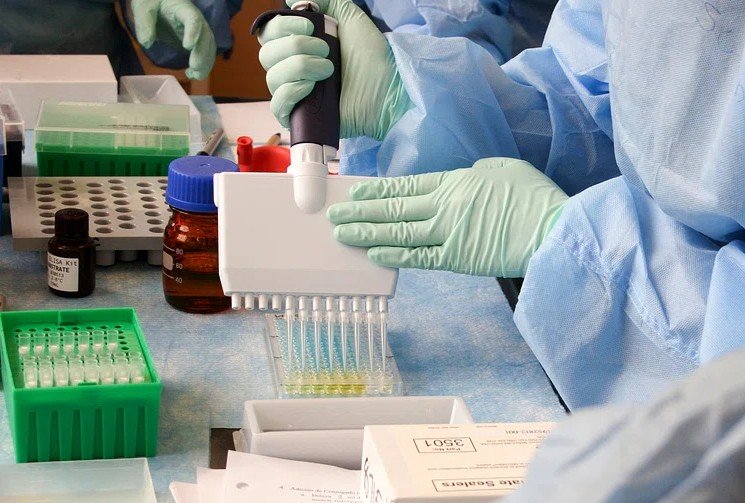
In the first half of 2025, the hospital handled 48 percent of the nation’s clinical trials. This includes 104 active studies and 80 new ones launched that year.
These efforts cover a wide range of health problems. Oncology leads with trials for new cancer drugs, while cardiovascular studies test ways to prevent heart attacks.
Autoimmune diseases get attention too, with research on better treatments for conditions like lupus. The center’s labs use advanced tools to speed up results.
This growth stems from heavy investment in facilities. They now have their own gene and cell therapy manufacturing site, the first in Saudi Arabia.
Advances in CAR T Cell Therapy
The hospital made history by producing CAR T cells locally for leukemia patients. This therapy modifies immune cells to fight cancer more effectively.
In one case, a child with hard to treat leukemia saw major progress after treatment. Costs dropped from over a million riyals to about 250 thousand, making it accessible.
Production time shrank to just 14 days, avoiding long waits for imports. This helps more patients get care faster.
Experts predict this will expand to other cancers soon. The method shows promise for blood disorders and solid tumors.
Here are key benefits of local CAR T cell production:
- Lower costs for patients and hospitals
- Faster access to life saving treatments
- Reduced risks from shipping delays
- Boost to Saudi biotech skills
Boosting Rare Disease Research
Genomics play a big role in the hospital’s work on rare diseases. They map genes to understand why some conditions run in families.
One program uses data to spot risks early, leading to preventive steps. This ties into national goals for better health outcomes.
Partnerships with international groups bring in fresh ideas. Together, they run trials that could change how doctors treat inherited issues.
Patients benefit from tailored plans based on their genes. This personal touch improves success rates.
| Area of Focus | Number of Active Trials | Key Innovations |
|---|---|---|
| Oncology | 35 | New drug combos for resistant cancers |
| Cardiovascular | 25 | Devices to monitor heart health |
| Autoimmune | 20 | Therapies to calm overactive immune systems |
| Genomics | 15 | Gene editing for rare disorders |
Aligning with National Vision
These advances support Saudi Vision 2030, which aims to build a strong health sector. The hospital trains local experts and draws global talent.
By 2030, leaders expect to quadruple research capacity. This includes more trials and new facilities for drug making.
The push helps the Kingdom become a hub for medical breakthroughs. It creates jobs and attracts investment in biotech.
Communities gain from easier access to top care. Families no longer need to travel abroad for advanced treatments.
Looking Ahead to More Breakthroughs
As 2025 ends, the hospital plans even more trials for 2026. Focus areas include robotics in surgery and new vaccines.
They aim to treat over 100 gene therapy cases yearly. This could set new standards in the Middle East.
Patients and doctors alike see hope in these steps. The work not only heals but also inspires future scientists.
Share your thoughts on these medical advances in the comments below. If this story moved you, pass it on to friends and family to spread awareness about Saudi Arabia’s health innovations.