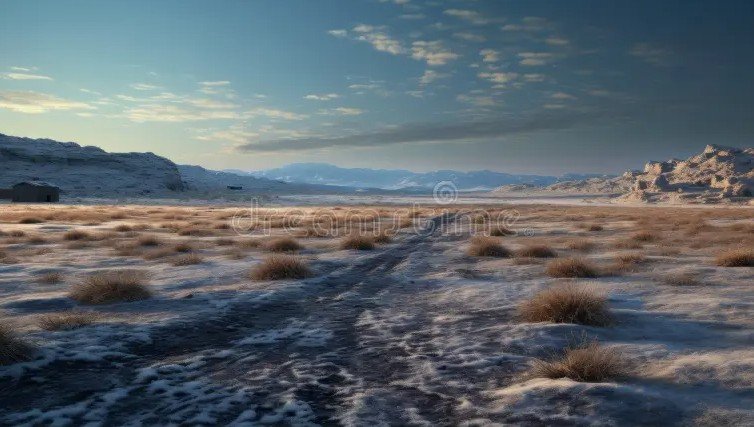
Saudi Arabia experienced a rare snowfall on December 23, 2025, covering the Tabuk region and Trojena Mountains in a layer of white. This unusual event turned the desert landscape into a winter wonderland, drawing crowds of locals and tourists to witness the icy transformation in a nation famous for its hot sands.
The cold wave brought temperatures down to minus four degrees Celsius in higher areas, marking the first major snow in northern Saudi Arabia in about 30 years. Experts say shifting weather patterns played a key role, offering a glimpse into how climate changes might affect arid regions.
Rare Snow Event Shakes Up Desert Norms
Snowfall in Saudi Arabia stands out because the country usually sees extreme heat, with average temperatures often above 40 degrees Celsius in summer. This December event surprised many, as snow is not common outside small mountain pockets.
Reports show the snow started falling late on December 22 and continued into the next day. It affected elevations above 2,000 meters, where cold air masses met moist winds from the Mediterranean. Such conditions are rare but have happened before, like minor flurries in 2022 and 2023.
People in the area described the scene as magical. Camels trudging through snow and rocky hills dusted white created viral moments online. This event ties into global weather shifts, where unusual cold snaps hit warm zones more often.
Key Areas Hit by the Snowfall
The Tabuk region, in the northwest, saw the heaviest snow. Mountains like Jabal Al Lawz got a thick blanket, making roads slippery and visibility low.
Trojena, part of the NEOM project, also turned white. This highland area, planned as a ski resort, got an early taste of winter. Elevations here reach up to 2,600 meters, perfect for trapping cold air.
Other spots like Hail and parts of Riyadh felt lighter effects, with frost and fog. No major disruptions occurred, but officials urged caution on roads.
- Tabuk: Heavy snow on mountains, popular for family outings.
- Trojena: Icy peaks attract adventure seekers.
- Hail: Light dusting, with viral videos of snow play.
- Riyadh outskirts: Fog and chill, no full snow.
This spread shows how the cold wave moved south, impacting a wide swath of the kingdom.
Public Reactions and Fun Activities
Residents rushed to the snowy spots for fun. Families built snowmen, while others tried skiing on gentle slopes. Social media buzzed with photos and videos of the rare sight.
Tourists from nearby countries joined in, boosting local businesses. Hotels in Tabuk reported more bookings, and guides offered snow tours. One visitor called it a once in a lifetime chance to see snow in the desert.
The event sparked joy but also talks about climate. Some worry it signals bigger changes, like more extreme weather. Others see it as a tourism win, especially with Trojena’s future as a winter sports hub.
Weather Science Behind the Snow
Meteorologists explain the snowfall as a result of a strong cold front from Europe clashing with local moisture. This created perfect conditions for snow at high altitudes.
Data from weather stations showed temperatures dropping fast. In Tabuk, it went from 15 degrees Celsius to below zero in hours. Wind speeds hit 50 kilometers per hour, adding to the chill.
| Location | Peak Snow Depth (cm) | Lowest Temperature (°C) | Date of Event |
|---|---|---|---|
| Tabuk Mountains | 10-15 | -4 | December 23, 2025 |
| Trojena Highlands | 8-12 | -3 | December 23, 2025 |
| Hail Region | 5-8 | -2 | December 20, 2025 |
| Jabal Al Lawz | 15-20 | -5 | December 17, 2025 |
This table highlights the varying impacts across regions. Experts link it to broader patterns, like those seen in recent UAE rains or European cold spells.
Forecasts predict more unstable weather through the week. Rain and thunder could hit southern areas like Jazan and Makkah.
Impacts on Daily Life and Economy
The snow brought minor challenges, like foggy drives and school delays in affected spots. But overall, it was a positive boost. Farmers in high areas welcomed the moisture for crops.
Tourism got a lift, with NEOM promoting Trojena as a year round destination. This aligns with Saudi Arabia’s push to diversify beyond oil, drawing global visitors.
On the flip side, it raises questions about readiness for extreme weather. Officials are stepping up warnings and infrastructure checks.
Looking Ahead to More Winter Surprises
As winter continues, more snow could return if cold waves persist. Climate models suggest such events might increase due to global warming paradoxes, where warm oceans fuel odd weather.
For now, the snowfall reminds us of nature’s surprises. It blends the kingdom’s desert heritage with fleeting winter charm.
Share your thoughts on this rare Saudi snowfall in the comments below. Have you seen snow in unexpected places? Spread the word by sharing this article with friends.