
New rules from Israel on NGO registrations are set to hit hard by December 31, 2025, risking a total breakdown in humanitarian aid flowing into Gaza. Aid groups warn this could leave millions without vital supplies amid ongoing crises, as organizations face exclusion for not meeting strict new demands.
Background on the New Registration Rules
Israel rolled out these changes in early 2025, shifting oversight to a ministry focused on diaspora affairs and fighting antisemitism. The rules require NGOs to provide detailed staff information, including names, roles, and family ties, which many see as a way to screen for security risks.
Aid workers say the process has already blocked over a dozen groups from operating. This comes after years of conflict, including the war that started in 2023, leaving Gaza in ruins. The fragile ceasefire now hangs in the balance, with winter weather adding to the misery for displaced families.
Organizations must re-register by the end of the year or face shutdown. Reports indicate that failure to comply could halt essential services like food distribution and medical care.
The shift aims to prevent what Israel calls hostile actors from using aid channels. Yet critics argue it goes too far, potentially starving civilians of help.
Impact on Humanitarian Efforts in Gaza
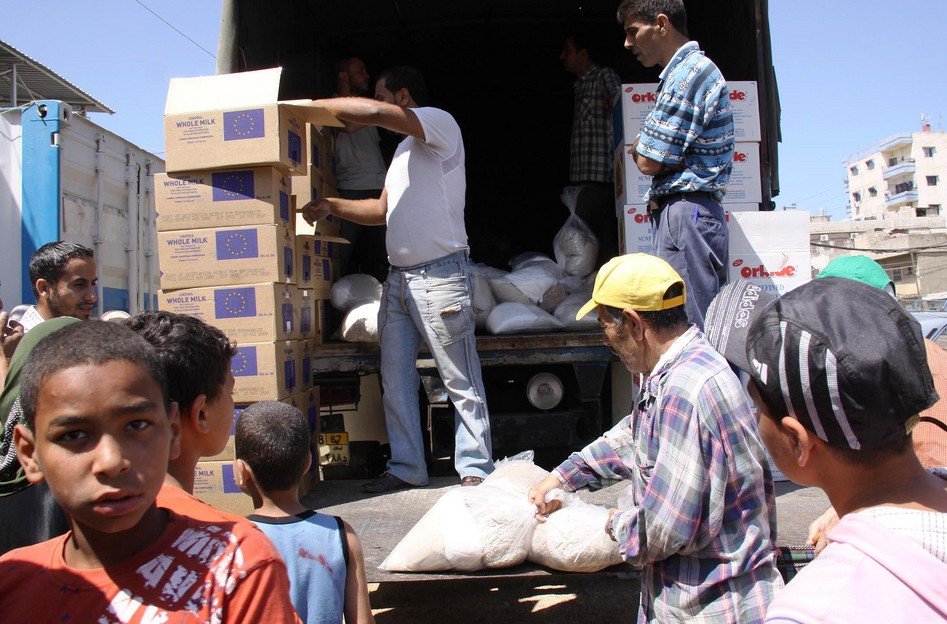
The rules have sparked widespread alarm among aid agencies. Many fear a catastrophic drop in support for Gaza’s two million residents, who rely on international help for basics like water and shelter.
In recent months, several established NGOs have been denied entry or had their operations curtailed. This has led to delays in delivering life-saving goods, worsening hunger and health issues.
For instance, groups providing meals in refugee camps now struggle to get supplies through borders. Floods from winter rains have destroyed temporary homes, making timely aid even more critical.
Aid coordination has fractured, with some organizations pulling out to avoid risks to staff. This leaves gaps in services, especially in hard-hit areas like central Gaza.
The United Nations and other bodies have issued joint statements highlighting the dangers. They stress that blocking aid violates international norms and could lead to more suffering.
Concerns from Aid Workers and Experts
Humanitarian staff on the ground report feeling pressured to share sensitive data, raising fears for employee safety. Some worry that providing family details could expose Palestinians to targeting.
Experts point out that these rules build on earlier moves, like restrictions on certain UN agencies accused of ties to militants. This pattern suggests a broader strategy to control aid flows.
Public sentiment, as seen in social media discussions, shows growing frustration. People question why reputable groups with decades of experience are suddenly under scrutiny.
Analysts predict that if many NGOs fail to register, aid trucks could stop crossing into Gaza entirely. This would compound the effects of blockades and damaged infrastructure.
- Key concerns include staff safety and data privacy.
- Potential for increased civilian deaths from lack of medical aid.
- Risk of aid diversion if fewer trusted groups operate.
Broader Implications for the Region
Beyond Gaza, the rules affect operations in the West Bank and East Jerusalem. Aid groups there face similar hurdles, which could disrupt services for vulnerable populations.
This development ties into ongoing regional tensions, including recent ceasefire efforts and international calls for more open borders. Leaders from various countries have urged Israel to ease restrictions.
Economically, a collapse in aid could strain resources further, leading to higher costs for emergency responses. It might also damage Israel’s relations with global partners who fund much of the humanitarian work.
Looking ahead, if the December 31 deadline passes without relief, experts foresee a humanitarian crisis escalating into 2026. This could prompt more international intervention or legal challenges.
The situation echoes past events, like aid blockades during previous conflicts, but the scale here feels unprecedented.
| Aspect | Current Status | Potential Impact |
|---|---|---|
| NGO Registrations | Over a dozen rejected | Up to 50+ groups excluded |
| Aid Delivery | Delayed or blocked | Collapse of food and medical supplies |
| Civilian Needs | High demand for basics | Increased hunger and disease |
| Deadline | December 31, 2025 | Immediate shutdowns post-deadline |
| International Response | Warnings from UN and agencies | Calls for policy reversal |
What Happens Next and Calls for Action
As the deadline approaches, aid groups are pushing for extensions or changes to the rules. Some have appealed to international courts, arguing the measures hinder lifesaving work.
Governments worldwide are watching closely, with some threatening to cut funding if aid can’t reach those in need. The focus remains on protecting civilians caught in the crossfire.
In the meantime, local charities in Gaza are trying to fill gaps, but they lack the resources of larger international outfits.
Share your thoughts on this issue in the comments below, and spread the word to raise awareness about the Gaza aid crisis.
