
Egypt has launched a public restoration of King Khufu’s second solar boat at the Grand Egyptian Museum near Cairo. This live project, starting on December 23, 2025, lets visitors watch experts rebuild the 4,600-year-old vessel over the next four years.
The boat, found in a pit near the Great Pyramid of Giza in 1954, is a key piece of ancient history tied to the pharaoh who built the pyramid. Officials call it one of the top restoration efforts of this century, blending preservation with public education.
Discovery and Historical Importance
Archaeologists uncovered the boat pieces in sealed pits at the Giza site more than 70 years ago. The first boat was put back together in the 1980s and displayed in a special museum next to the pyramid. Now, the focus shifts to the second one, which stayed buried longer due to its delicate state.
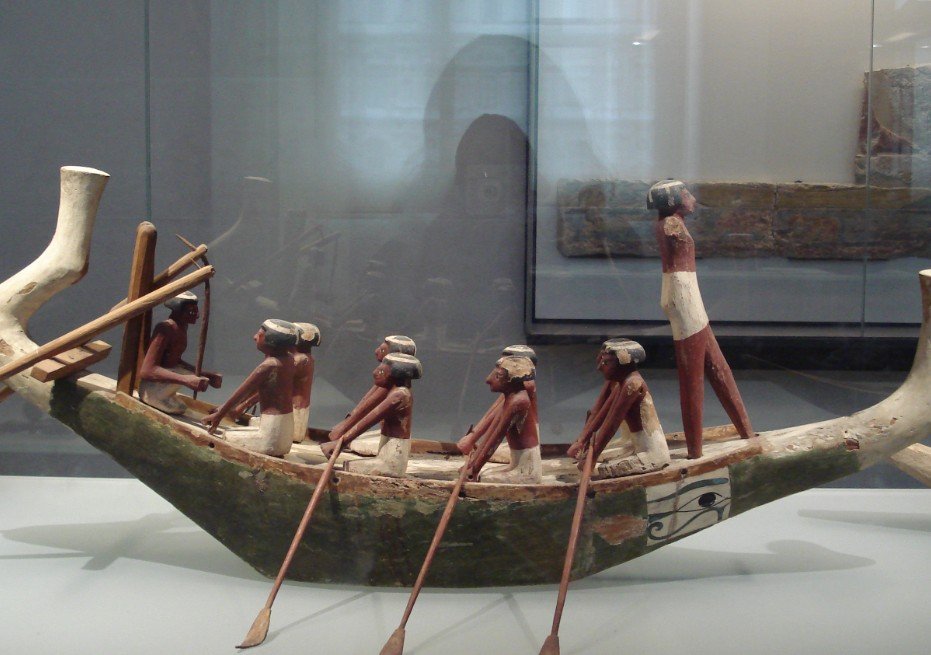
This cedar wood vessel likely served a ceremonial role, perhaps to carry the pharaoh’s spirit in the afterlife. Experts believe it shows advanced shipbuilding skills from the Old Kingdom era around 2500 BC. Recent studies highlight how these boats reflect Egypt’s early engineering prowess, linking them to Nile River traditions.
The move to restore it now comes after years of planning. In 2021, the first boat was transported to the Grand Egyptian Museum, setting the stage for this project. Tourism leaders see it as a way to boost interest in Egypt’s past amid growing global fascination with ancient artifacts.
The Restoration Process Explained
Teams began by lifting the first wooden plank with a crane on December 23, 2025. The boat consists of 1,650 pieces, many fragile from centuries underground. Conservators will clean, treat, and reassemble them step by step in a dedicated hall.
This work draws on lessons from the first boat’s reconstruction. Back then, experts like Ahmed Youssef Moustafa studied old tomb carvings and modern Nile boat builders to guide their methods. Today, advanced tools like 3D scanning help map pieces without damage.
The four-year timeline allows for careful handling. Challenges include wood decay from moisture and insects, but new preservation techniques promise better results. International partners, including Japanese teams who aided in past digs, contribute expertise.
- Key steps in the process: Initial cleaning removes dirt and stabilizes wood; chemical treatments prevent further decay; precise assembly uses original joints and modern supports.
- Tools involved: Cranes for heavy lifts, lasers for alignment, and climate-controlled rooms to mimic ancient conditions.
Officials expect the finished boat to join other exhibits, drawing crowds eager to see history come alive.
Public Access and Visitor Experience
The Grand Egyptian Museum, which opened fully in late 2025, makes this restoration open to the public. Visitors can watch from viewing areas as work unfolds, turning the process into an interactive show.
This approach builds excitement. Museum director Atef Moftah noted it helps people connect with Egypt’s heritage. Tickets include access to the hall, with guided tours explaining each phase.
Families and tourists have already shared positive reactions online. One visitor called it a rare chance to see experts at work, like a live history lesson. The museum plans events, such as talks on pharaoh life, to enhance the experience.
| Feature | Details |
|---|---|
| Location | Solar Boats Museum hall at Grand Egyptian Museum |
| Duration | Up to four years, starting December 23, 2025 |
| Pieces to Assemble | 1,650 wooden parts |
| Public Viewing | Daily during museum hours, with safety barriers |
| Expected Visitors | Over 1 million in the first year, based on similar exhibits |
This setup not only preserves the artifact but also educates, making ancient Egypt feel current and accessible.
Impact on Tourism and Global Heritage
Egypt’s tourism sector stands to gain from this project. With the museum now a major draw, officials predict a rise in visitors, especially after recent global events spotlighting cultural sites.
The restoration ties into broader efforts to protect world heritage. UNESCO has praised similar projects for their role in saving artifacts from climate threats. In Egypt, it aligns with initiatives to digitize and share ancient items online.
Experts say this could inspire other nations. For instance, recent restorations in Iraq and Greece show a trend toward public involvement in archaeology. By 2026, the completed boat might feature in virtual tours, reaching even more people.
Challenges and Future Outlook
Restoring such an old item brings hurdles. Funding comes from government and international sources, but costs could climb if issues arise. Teams must balance speed with care to avoid mistakes.
Looking ahead, success here might lead to more live projects. The museum aims to expand its collection, including items from Tutankhamun’s tomb. This boat’s story reminds us of Egypt’s lasting legacy in human innovation.
As the work continues, it offers a window into the past while building for the future. Share your thoughts on this historic effort in the comments below, and spread the word to fellow history fans.
