Parts of Saudi Arabia’s northern regions, including Al Jawf and Tabuk, saw rare heavy snowfall this week, turning vast desert landscapes into white wonderlands. This event, happening in late December 2025, has sparked widespread interest as temperatures plunged below freezing, linked to a powerful cold wave and broader climate shifts.
Unusual Winter Scenes in the Desert
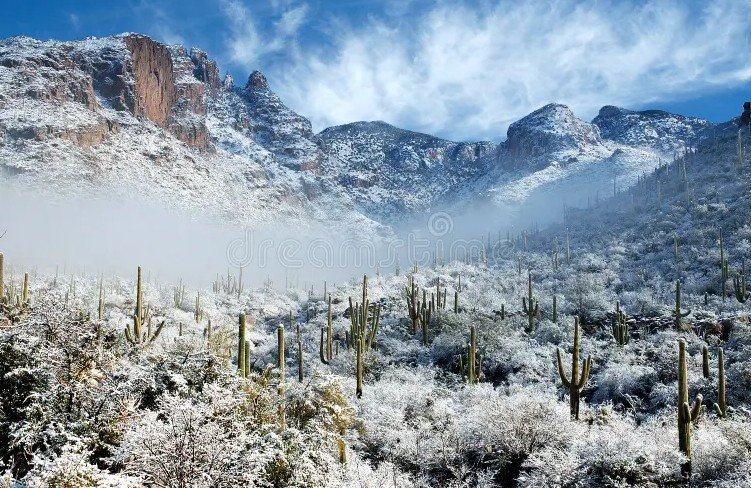
Snow covered sand dunes and mountains in northern Saudi Arabia, creating stunning visuals that quickly spread online. Residents in Tabuk and Al Jawf captured videos of camels trudging through snow and people skiing on makeshift slopes.
This snowfall marks the first major event in about 30 years for some areas, with accumulations reaching several inches in higher elevations. Local authorities reported no major disruptions, but the sight drew crowds eager to experience the rare weather.
Social media buzzed with excitement, as users shared clips of the transformed desert. One viral video showed children building snowmen amid palm trees, a sharp contrast to the usual scorching heat.
Past Snow Events in Saudi Arabia
Snow is not entirely new to Saudi Arabia, though it remains rare in the desert kingdom. Historical records show occasional winter storms in the north, often in elevated areas like Jabal al Lawz.
The strongest cold wave hit in 1992, with temperatures dropping to minus 9.3 degrees Celsius in some spots. More recent light snowfalls occurred in 2021 and 2022, but nothing as widespread as this year’s event.
Experts note that these incidents happen when cold air from the north meets moisture from the Mediterranean Sea. This combination can lead to brief but intense winter weather in regions typically known for heat.
| Year | Region | Temperature Low | Notable Impacts |
|---|---|---|---|
| 1992 | Tabuk | -9.3°C | Record cold wave, minor infrastructure strain |
| 2021 | Jabal al Lawz | -2°C | Viral videos of snow under sand |
| 2022 | Northwestern areas | -1°C | Light dusting, no major issues |
| 2025 | Al Jawf and Tabuk | -4°C | Heavy snowfall, social media frenzy |
This table highlights key past events, showing a pattern of increasing frequency in recent decades.
What Caused This Cold Wave
A strong low pressure system pulled cold air from Europe and Asia into the Arabian Peninsula, causing the drop in temperatures. Meteorologists explain that winds carried moisture, leading to snowfall when conditions hit freezing levels.
In Al Jawf, elevations above 2,500 meters helped sustain the snow, while lower areas saw quick melting. The National Center of Meteorology in Saudi Arabia issued warnings for hail and strong winds alongside the snow.
This weather pattern aligns with global shifts, where jet stream changes push cold air farther south. Forecasters predict such events could become more common as atmospheric patterns evolve.
Connection to Climate Change
Climate experts link this snowfall to broader environmental changes. Warmer global temperatures disrupt weather patterns, leading to more extreme events, including unexpected cold snaps in warm regions.
Studies show that climate change can weaken polar vortexes, allowing cold air to spill into subtropical areas like Saudi Arabia. This paradox means hotter averages but wilder swings in weather.
- Increased frequency of cold waves in deserts due to shifting jet streams.
- Higher moisture levels from warming seas contributing to heavier precipitation.
- Potential for more mixed weather, blending rain, hail, and snow in unusual places.
These factors suggest that rare snowfalls may signal larger disruptions in global climate systems.
Impacts on Daily Life and Economy
The snowfall brought joy to many residents, who flocked to affected areas for recreation. In Tabuk, locals turned sand dunes into sledding hills, boosting short term tourism.
However, the cold wave posed challenges for agriculture and livestock. Farmers in northern regions protected crops from frost, while herders moved camels to sheltered spots.
Saudi Arabia’s preparations for events like the Asian Winter Games in 2029 highlight growing interest in winter sports. This snowfall could inspire more infrastructure for such activities.
On the economic side, the event sparked a surge in social media engagement, potentially drawing international visitors curious about the desert snow phenomenon.
Global Reactions and Future Outlook
Around the world, people reacted with amazement to images of snow in the desert. News outlets from India to the United States covered the story, emphasizing its rarity and climate ties.
Experts warn that while exciting, these events underscore the need for better weather resilience. Saudi officials are monitoring patterns to improve forecasts and preparations.
As 2025 ends, forecasters expect the cold wave to ease, but similar surprises could return in future winters. This snowfall serves as a reminder of our changing planet.
Share your thoughts on this unusual weather event in the comments below, and spread the word by sharing this article with friends who love surprising nature stories.