Egypt has dispatched a specialized medical convoy to Sudan, delivering doctors, medicines, and critical supplies as Khartoum struggles to stabilize a health system battered by months of disruption. The mission reflects Cairo’s effort to translate political support into hands-on assistance at a moment of acute humanitarian need.
The convoy arrived quietly, but its symbolism is loud. In a region short on good news, cooperation still moves.
A Mission Backed at the Highest Levels in Cairo
The medical convoy was launched under directives from Abdel Fattah al-Sisi and carried out under the patronage of Prime Minister Mostafa Madbouly.
Oversight of the mission came from Deputy Prime Minister for Human Development and Minister of Health and Population Khaled Abdel Ghaffar, according to officials.
The convoy includes 13 specialized doctors and nearly 1.5 tons of medicines and medical supplies. Its deployment runs from December 20 through December 27, a short window, but one designed for maximum impact.
This is not a symbolic visit. It’s a working mission.
The medical team was selected to cover critical and rare specialties, areas where shortages in Sudan have become especially severe due to ongoing instability.
Arrival in Port Sudan and Local Reception
The convoy was received in Port Sudan by representatives from the Red Sea State Ministry of Health, officials from Prince Osman Digna Reference Hospital, and members of Egypt’s diplomatic mission in the city.
Port Sudan has taken on an outsized role in recent months. As conflict disrupted services in other parts of the country, the city emerged as a logistical and medical hub.
For Sudanese officials, the arrival mattered.
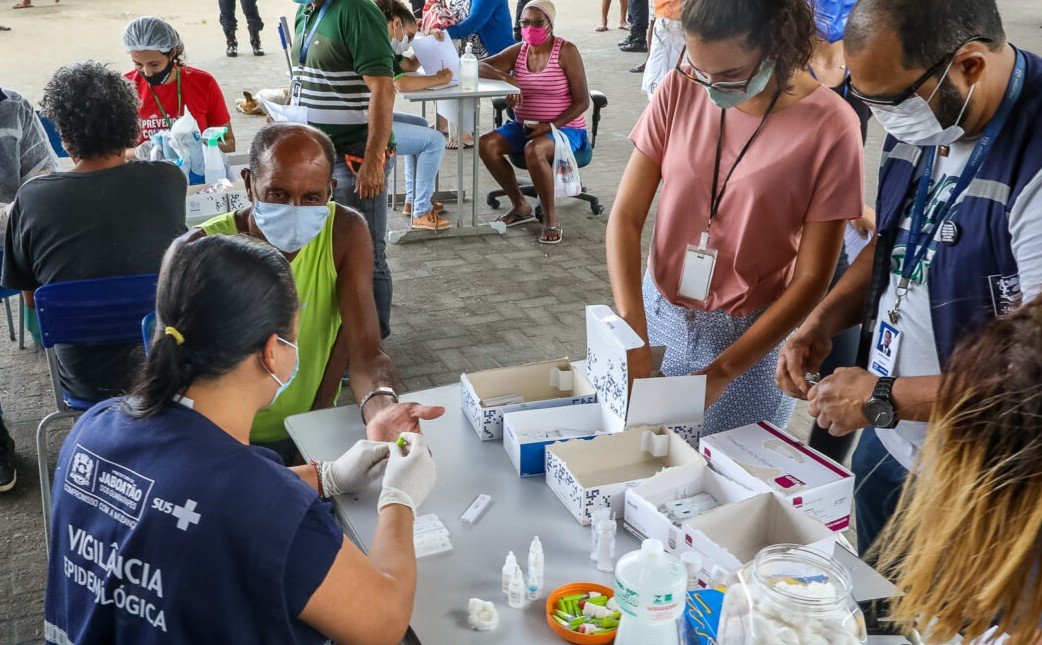
Members of the Egyptian medical team met with Red Sea State Governor Mustafa Mohamed Nour, who welcomed the doctors and praised Egypt’s sustained support across multiple sectors, especially healthcare.
He emphasized that rehabilitating Sudan’s medical sector is now a top government priority, acknowledging that hospitals and clinics have suffered deeply under current conditions.
One sentence stood out in private remarks. The system needs rebuilding, not patchwork.
What the Convoy Brings on the Ground
The focus of the mission is practical care.
Egyptian doctors are expected to provide consultations, conduct procedures, and assist in managing complex cases alongside Sudanese medical staff. The medicines and supplies delivered are intended to relieve immediate shortages in hospitals serving large patient loads.
According to officials familiar with the operation, the convoy’s objectives include:
-
Supporting hospitals facing acute staffing gaps
-
Treating patients requiring specialized interventions
-
Sharing expertise with local medical teams
-
Relieving pressure on overstretched facilities
This is targeted aid, not a broad humanitarian shipment.
Each doctor was assigned based on needs identified in coordination with Sudanese health authorities, an approach meant to avoid duplication and focus on gaps that local systems cannot currently fill.
Doctors on the Front Line Speak of Duty and Pride
Members of the Egyptian medical team expressed pride in participating in the mission, describing it as both a professional responsibility and a national one.
Several doctors said they were fully prepared to work long hours and handle high patient volumes, particularly in departments dealing with critical or uncommon conditions.
There was no hesitation in their remarks.
They pledged to do everything possible to reach the largest number of patients during the convoy’s stay, acknowledging that time is limited and needs are vast.
One doctor put it plainly. Every case matters right now.
Sudan’s Health Sector Under Severe Strain
Sudan’s health system has been one of the quiet casualties of prolonged unrest.
Hospitals in multiple regions have faced shortages of staff, medicines, electricity, and even basic sanitation. Many medical professionals have been displaced or forced to suspend work due to security concerns.
In Red Sea State alone, patient numbers have surged as people flee other areas, stretching facilities far beyond their original capacity.
International aid has flowed in unevenly, often slowed by access constraints and funding gaps. That’s why bilateral support, especially from neighboring countries, carries added weight.
Egypt’s intervention fits into that space.
It is faster than large multilateral operations and more flexible on the ground.
Cairo’s Broader Approach to Regional Support
This convoy is not an isolated gesture.
Egypt has repeatedly positioned itself as a stabilizing partner for Sudan, offering political backing, humanitarian assistance, and technical support as conditions allow.
Health cooperation, in particular, has become a key channel. Medical convoys, training programs, and supply shipments are easier to deploy than long-term infrastructure projects and can show immediate results.
From Cairo’s perspective, supporting Sudan’s health sector also serves regional stability. Disease outbreaks, mass displacement, and untreated injuries do not respect borders.
Helping Sudan helps everyone nearby.
Coordination with Local Institutions
Egyptian officials emphasized that the convoy is operating in coordination with Sudanese authorities rather than independently.
Local hospitals identified priority cases. Regional health officials helped organize logistics. Egyptian diplomats in Port Sudan facilitated access and communication.
This coordination matters.
Past aid missions in conflict-affected zones have sometimes struggled due to parallel systems and poor alignment. By embedding the convoy within existing structures, Egypt aims to avoid those pitfalls.
It’s cooperation, not substitution.
A Short Mission, With Longer Implications
The convoy is scheduled to conclude on December 27.
What happens after remains open.
Officials did not announce follow-up missions, but sources suggest Cairo is assessing needs on an ongoing basis. Additional medical deployments or expanded support could follow if conditions permit.
For now, the focus is execution.
Doctors are working. Supplies are being distributed. Patients are being seen.
In a crisis measured in months and years, one week won’t fix everything. But for those treated during this window, it can mean relief, recovery, or survival.