
Egyptian and Russian foreign ministers met in Cairo on December 19, 2025, to stress the urgent need for a lasting Gaza ceasefire amid ongoing Israeli violations. The talks, led by Egypt’s Badr Abdelatty and Russia’s Sergey Lavrov, focused on implementing the agreement and boosting humanitarian aid while strengthening bilateral ties.
Diplomatic Push in Cairo
The meeting took place during the second ministerial session of the Russia-Africa Partnership Forum, drawing leaders from over 50 African nations. Abdelatty highlighted Egypt’s intense efforts to stabilize the ceasefire and ensure aid reaches Gaza.
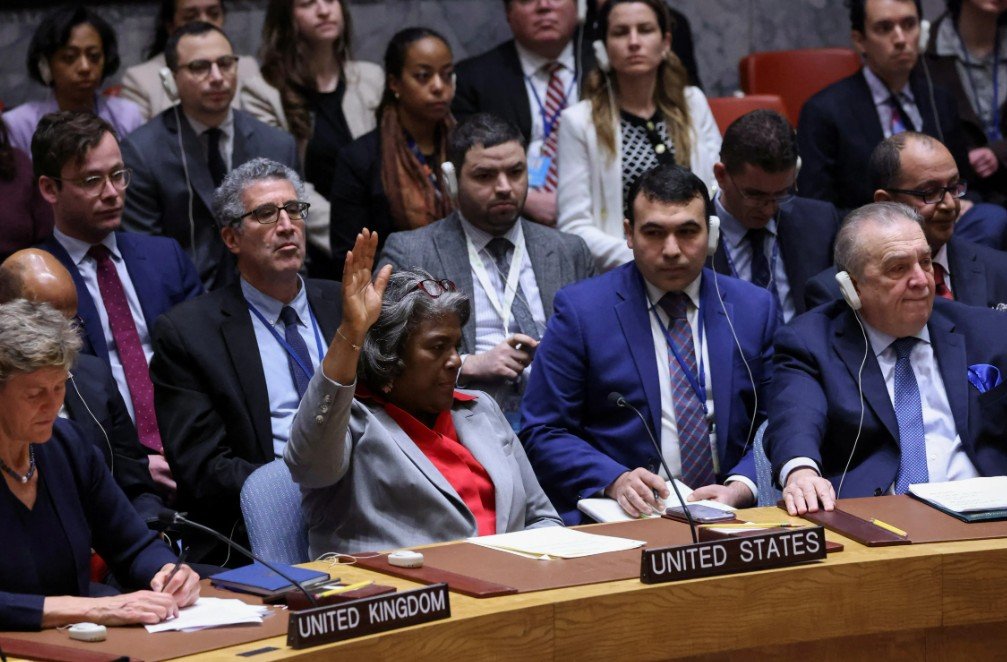
Lavrov praised the growing trade between the two countries, which rose by more than 12 percent recently. Both leaders agreed on the importance of UN Security Council Resolution 2803, which calls for reopening the Rafah crossing to allow aid flow in both directions.
They also touched on shared views on global issues, including the Sudan crisis and regional de-escalation. This forum provided a platform to discuss not just Gaza but broader partnerships across Africa.
Key Statements on Gaza Sustainability
Abdelatty emphasized that continued diplomatic work is vital to make the ceasefire hold. He pointed out the need to address Israeli actions that have wounded civilians and restricted aid, as seen in recent incidents like mortar fire into residential areas.
Lavrov echoed this, calling for a two-state solution and calm in the West Bank. He noted that Russia and Egypt share a commitment to ending the violence that has devastated Gaza for years.
The ceasefire, signed on October 9, 2025, under U.S. supervision with mediation from Egypt, Qatar, and Turkey, has lasted over two months. Yet, reports of violations raise doubts about its long-term success.
Here are some critical elements of the agreement discussed:
- Halt to all fighting between Israel and Hamas.
- Increased humanitarian aid deliveries to Gaza.
- Provisions for rebuilding infrastructure damaged in the conflict.
Regional Tensions and Economic Ties
Beyond Gaza, the ministers addressed economic links, including a major gas deal between Israel and Egypt worth about 35 billion dollars. This agreement, announced recently, aims to export natural gas but faces hurdles due to political strains over the war.
Egypt described the deal as purely commercial, yet it comes amid frayed relations. Netanyahu’s government approved the export permit, signaling a step forward despite ongoing ceasefire challenges.
Lavrov commended Egypt’s balanced stance on issues like the Ukraine crisis and its mediation role with Iran on nuclear matters. These talks show how Gaza fits into wider geopolitical shifts.
The ministers also explored ways to boost bilateral trade, with Russia eyeing more investments in Egyptian projects.
| Recent Gaza Ceasefire Events | Date | Details |
|---|---|---|
| Ceasefire Signing | October 9, 2025 | Agreement mediated by Egypt, Qatar, Turkey, and U.S. |
| Israeli Mortar Incident | December 17, 2025 | Mortar fire wounds at least 10 in Gaza residential area. |
| Gas Deal Announcement | December 17, 2025 | Israel approves 35 billion dollar gas export to Egypt. |
| U.S.-Hosted Talks | December 19, 2025 | Mediators meet in the U.S. for further ceasefire discussions. |
| Russia-Egypt Meeting | December 19, 2025 | Focus on sustaining ceasefire and bilateral ties. |
Challenges Facing the Ceasefire
Despite the agreement, violations persist. Israel has bombed areas in Gaza, including a wedding at a school shelter, killing at least six people just hours before recent talks.
Hamas claims commitment to the truce but accuses Israel of breaches that kill hundreds and block aid. Mediators warn that without addressing root causes, like Palestinian governance and disarmament debates, the peace could collapse.
Experts note that a prolonged initial phase might lead to a humanitarian crisis, trapping Gaza in uncertainty. Qatar and Egypt have pushed back against U.S. plans for broad security powers in any stabilization force.
Public sentiment on social platforms reflects frustration, with many calling for stronger enforcement to prevent a return to full-scale war.
The two-state solution remains a key goal, but progress is slow amid competing regional visions.
Path Forward for Peace
Looking ahead, ongoing talks in places like Miami involve Arab and Muslim officials aiming to advance the ceasefire. Trump has backed gas deals as part of a broader Middle East peace plan, tying economic incentives to stability.
Egypt and Russia plan to continue joint efforts, possibly expanding to include African partners in mediation. This could help sustain the truce and foster rebuilding in Gaza.
Analysts believe that removing root causes, such as occupation and economic hardships, is essential for lasting peace. With trade growing and diplomatic channels open, there is cautious optimism.
What do you think about the chances of a lasting ceasefire? Share your thoughts in the comments and spread this article to keep the conversation going.
