Israel has approved a massive natural gas export deal with Egypt worth about $35 billion, marking the largest energy agreement in the country’s history. Announced on December 17, 2025, by Prime Minister Benjamin Netanyahu, the deal will supply 130 billion cubic meters of gas from Israel’s Leviathan field to Egypt over 15 years, starting in 2026, despite ongoing diplomatic strains over the Gaza conflict.
Deal Highlights and Key Terms
This agreement builds on years of energy talks between the two nations. It involves private companies like Chevron, which operates the Leviathan field, along with Israeli firms NewMed Energy and Ratio Energies. Gas will flow through existing pipelines to Egypt for local use and possible re-export as liquefied natural gas.
The deal faced delays earlier in 2025 due to political hurdles, but recent U.S. pressure helped push it through. Netanyahu called it a historic step that boosts Israel’s role as a regional energy player.
Experts say the timing is crucial amid global energy shifts. With Europe seeking alternatives to Russian gas, this pact could help meet demand.
- Volume: 130 billion cubic meters of natural gas.
- Duration: 15 years, from 2026 to 2040.
- Value: Estimated at $35 billion, with potential adjustments based on market prices.
- Key players: Chevron (operator), NewMed Energy, Ratio Energies on the Israeli side; Egyptian Gas Holding Company on the Egyptian side.
Roots of Energy Ties Between Israel and Egypt
Energy cooperation between Israel and Egypt started gaining steam after major gas discoveries in the eastern Mediterranean around 2010. Fields like Leviathan and Tamar hold vast reserves, but Israel lacks its own liquefaction plants to export LNG globally.
Egypt stepped in as a partner, using its facilities in Idku and Damietta to process and export the gas. A 2018 deal laid the groundwork, allowing initial exports that grew over time.
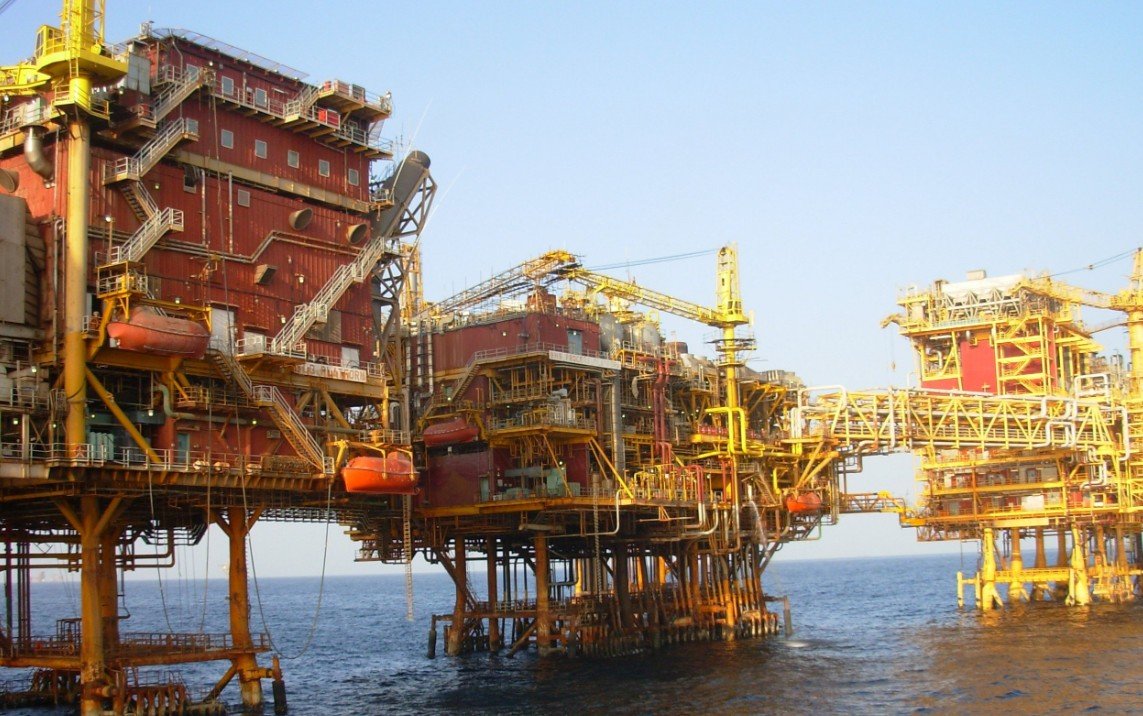
By 2024, Israel was already sending about 6 billion cubic meters yearly to Egypt. This new agreement expands that flow, locking in long-term supplies.
Recent events, like the global push for cleaner energy, have made these ties even more vital. Both countries see gas as a bridge fuel while transitioning to renewables.
How Tensions in Gaza Test But Strengthen the Pact
Relations between Israel and Egypt have cooled since the Gaza war began in late 2023. Egypt has voiced strong criticism of Israel’s actions, citing civilian impacts and border security issues in Sinai.
Public opinion in Egypt has pushed for a harder stance, with calls to rethink the peace treaty from 1979. Yet, the gas deal moved forward, showing how economic needs can override political friction.
Egyptian officials stressed the agreement is purely commercial, handled by private firms without government meddling. This framing helps Cairo navigate domestic backlash.
For Israel, the deal signals stability. It reduces risks from regional isolation and ties into broader efforts like the East Mediterranean Gas Forum.
| Aspect | Israel Benefits | Egypt Benefits |
|---|---|---|
| Economic | Billions in revenue for state coffers | Affordable energy to ease shortages |
| Strategic | Strengthens regional alliances | Boosts LNG exports to Europe |
| Energy Security | Diversifies export markets | Supports domestic power needs |
Economic Wins for Both Nations
Israel stands to gain huge financial rewards. Half of the deal’s revenues will go to government funds, supporting infrastructure and defense spending.
The pact could create jobs in the energy sector and attract more foreign investment. With gas prices stable in 2025, experts predict steady income through 2040.
Egypt faces energy shortages from growing demand and declining local production. Importing Israeli gas at competitive rates helps fill the gap and powers industries.
It also positions Egypt as a hub for LNG exports, earning transit fees and enhancing its role in global markets. Recent data shows Egypt’s LNG exports rose 20 percent in 2025 compared to the prior year.
Broader Effects on the Region
This deal ripples beyond the two countries. It promotes stability in the eastern Mediterranean, where gas resources have sparked rivalries with nations like Turkey and Lebanon.
U.S. involvement, including a canceled visit by the energy secretary that pressured approval, highlights Washington’s interest in secure energy routes.
Analysts note it could inspire similar pacts, like potential ties with Cyprus or Greece. Amid climate goals, the focus on natural gas as a cleaner option than coal adds appeal.
However, challenges remain. Pipeline security and fluctuating global prices could affect outcomes.
What Lies Ahead for Israel-Egypt Energy Links
Looking forward, both sides aim to expand cooperation. Talks are underway for more infrastructure, like new pipelines or joint renewable projects.
Experts believe this interdependence will help weather diplomatic storms. As Netanyahu put it, the deal contributes to regional peace through shared interests.
With global energy demands rising, this pact sets a model for how resources can bridge divides.
We invite you to share your thoughts on this deal in the comments below. Did energy ties surprise you amid the tensions? Spread the word by sharing this article with friends interested in Middle East affairs.