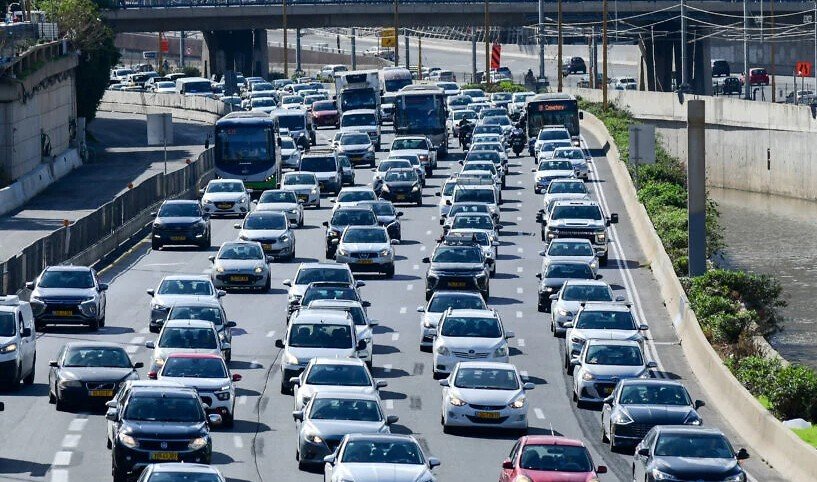
Electra has won the key tender to build and operate the congestion charge system in Tel Aviv’s metropolitan area. Announced on December 8, 2025, this move sets the stage for reduced traffic jams and better public transport funding starting in 2027.
Key Details of the Winning Bid
Electra, a major player on the Tel Aviv Stock Exchange, emerged victorious in a competitive tender process. The company will oversee the entire project lifecycle, from planning to long term maintenance.
This includes installing 220 toll points across 140 sites on busy roads like the Ayalon Highway. Advanced tech will identify vehicles, manage payments, and handle customer support without halting traffic flow.
Partnering with U.S. based TransCore, which succeeded in New York’s Manhattan project, brings global know how to the table. Revenues for Electra could reach NIS 1.25 billion over 20 years, split between a NIS 400 million construction grant and NIS 850 million from operations.
The system features three charging zones: inner for central Tel Aviv, middle for suburbs, and outer for wider entry points. Charges aim to discourage car use during peak times, with a daily maximum to ease the burden on drivers.
Project Timeline and Rollout Strategy
Planning and construction begin right away, with operations expected to start in 2027. This follows a tender issued in February 2025, after delays from political debates.
Seven groups competed, showing high interest in this billion shekel venture. The government anticipates NIS 1.3 billion in annual revenue, directed toward metro expansions and rail lines.
To ensure smooth adoption, officials plan public awareness drives. Tech trials will test camera accuracy and billing systems before full launch.
Recent updates confirm the project ties into rail funding deals, including lines to Kiryat Shmona and Eilat, secured through negotiations.
Impacts on Traffic and Economy
This initiative targets chronic congestion that plagues Tel Aviv, costing billions in lost productivity each year. By charging for entry into busy zones, it encourages shifts to buses, trains, and bikes.
Projections suggest a 10 to 15 percent drop in peak hour vehicles. This could slash commute times and cut emissions, supporting Israel’s green goals amid rising urban populations.
However, concerns linger over costs for daily commuters. Possible exemptions for electric cars or carpools might soften the impact.
Local economies could benefit from freer roads and funded transit upgrades. Businesses in central areas may see more foot traffic as parking becomes pricier.
Key economic benefits include:
- Job growth in tech and construction sectors.
- Boost to public transport, creating efficient alternatives.
- Annual state funds for infrastructure, estimated at NIS 1.3 billion.
Challenges and Lessons from Global Models
The path to this win was not smooth. Initial plans from 2021 faced opposition, including from Transport Minister Miri Regev, who later agreed in exchange for other rail projects.
Global examples provide valuable insights. London’s 2003 system reduced central traffic by 30 percent, while Stockholm’s 2007 model improved air quality and cut jams by 20 percent.
New York’s recent rollout, charging up to $15 daily, quickly eased downtown gridlock. These successes highlight the need for fair pricing and strong enforcement.
In Israel, addressing public pushback will be crucial. Planners focus on transparent rules to build support.
| Feature | Description | Projected Benefit |
|---|---|---|
| Toll Zones | Three rings around employment hubs | Focused relief in high traffic areas |
| Tech Setup | Cameras, sensors, control centers | Seamless charging without stops |
| Revenue Use | NIS 1.3 billion yearly to state | Finances metro and rail growth |
| Duration | 20 year operation | Sustained maintenance and tech updates |
| Global Partner | TransCore’s New York experience | Reliable, proven system design |
Broader Implications for Urban Mobility
Looking ahead, this could transform Tel Aviv into a model for smart cities. It aligns with trends like London’s 2026 fee increases for non electric vehicles, pushing for cleaner transport.
If successful, similar charges might spread to other Israeli cities facing growth pressures. Combined with light rail expansions, it promises a more connected, less congested future.
Experts note ties to recent events, such as hybrid electric aircraft demos in 2025, hinting at innovative mobility shifts worldwide.
What are your thoughts on how this will change daily life in Tel Aviv? Share in the comments and pass this along to spark discussion.