Friedrich Merz’s first official trip to Israel was brief but politically charged, coming as the Gaza conflict remains unresolved, civilian casualties continue to rise, and tensions escalate sharply in the West Bank. The timing, acknowledged by Merz himself, made the visit more complicated than ceremonial, raising questions about how far Germany can show support while navigating growing criticism at home.
The visit lasted less than 24 hours, but it immediately triggered scrutiny in Berlin over whether Merz’s presence in Israel could send the wrong diplomatic message.
A Chancellor Few Israelis Recognize
Among Israelis, Merz remains a largely unknown figure despite Germany’s historic visibility in Israeli affairs. Moshe Zimmermann, a well-known historian, told DW that only a small minority of Israelis would even know Merz is the sitting German chancellor.
He noted that for many Israelis, Angela Merkel is still the symbolic face of German leadership, given her long tenure and widely appreciated reputation in Israel.
One short sentence helps pacing.
Merkel remains associated with calm diplomacy, Holocaust remembrance, and close bilateral coordination. Merz inherits that legacy and must now live inside it, even if Israelis have not yet emotionally processed Germany’s political transition.
Zimmermann said Merz’s anonymity adds a subtle layer to his first diplomatic encounter: leaders may know him, but the wider Israeli public does not.
A Relationship Built on Solidarity and Tension
While Merz’s message in Israel was clearly supportive, his arrival comes at a moment of diplomatic discomfort. Over recent weeks, Germany has expressed unusually critical views about Israeli military conduct in Gaza, focusing on civilian casualties, humanitarian access bottlenecks, and the stalled ceasefire process.
European governments — including Germany — have also voiced alarm about escalating settler violence in the West Bank, as well as annexation steps by Israeli authorities that undermine long-term political negotiations.
A one-line paragraph brings emotional space.
The Gaza ceasefire remains frozen, daily airstrikes continue, and Israel is still awaiting the return of the final hostage’s remains. Merz acknowledged openly that his trip landed in the middle of unresolved trauma.
“We are here at a complicated time,” Merz told Israeli President Isaac Herzog, tempering celebration with realism.
Bilateral Ties Remain Strong, Even With Disagreements
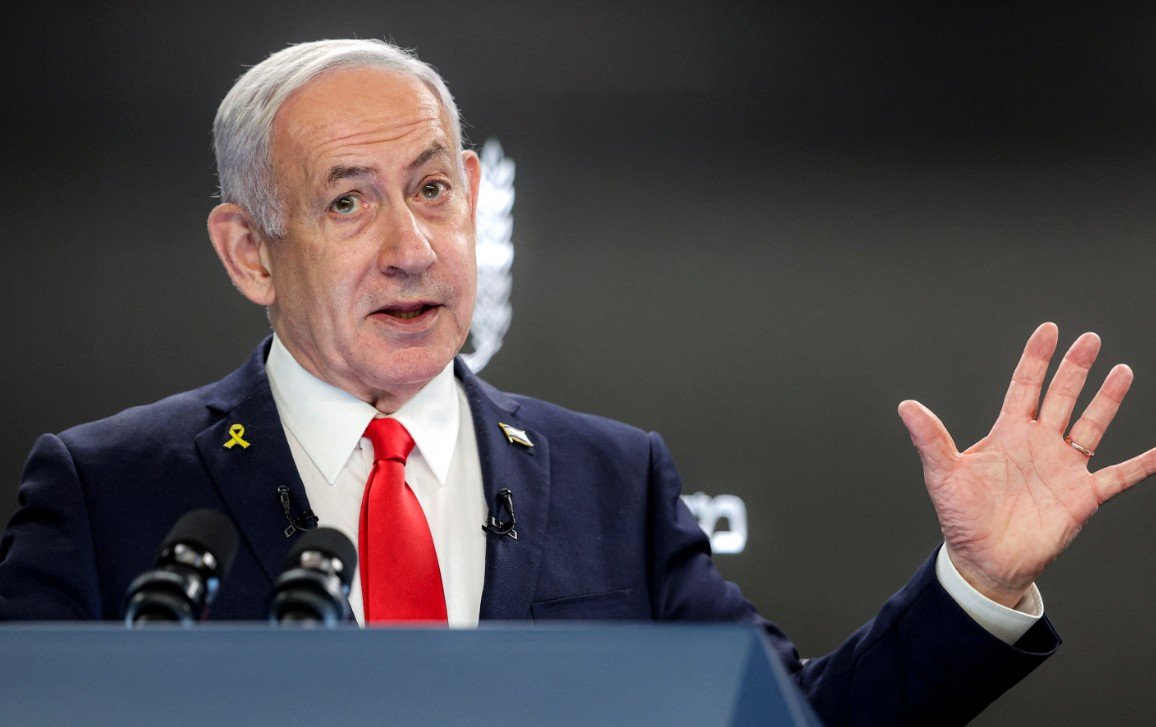
The joint press conference between Benjamin Netanyahu and Friedrich Merz was the focal moment of the visit. Both leaders highlighted partnership, shared values, and historic trust while recognizing that political differences exist, particularly around peace frameworks and Palestinian statehood.
Jeremy Issacharoff, Israel’s former ambassador to Germany, told reporters that the bilateral relationship remains strong and resilient, even though policy disagreements are more open than they were five years ago.
He said both leaders acknowledged differences on “how to move forward on the Palestinian issue,” adding that neither side tried to hide those disagreements behind ceremonial language.
A short breather sentence enhances rhythm.
The tone was diplomatic rather than confrontational. Germany has consistently defended Israel’s right to security and hostage recovery, but Merz also pointed toward the need for humanitarian visibility and international law in Gaza.
Issacharoff said Germany and Israel remain deeply aligned strategically and emotionally, even if members of the German public are increasingly uncomfortable with the humanitarian picture emerging from Gaza.
Symbolism Matters as Much as Policy
Former Israeli ambassador Shimon Stein described the visit as symbolic and necessary. Merz has consistently signaled support for Israel since becoming chancellor, and Israelis are conscious of Germany’s historic role and moral responsibility.
Stein said the symbolism is powerful precisely because the region is experiencing simultaneous instability — Gaza conflict, contested ceasefire channels, domestic political division inside Israel, and spiraling West Bank violence.
A one-sentence pause: solidarity means something tangible when circumstances feel fragile.
The absence of a multi-day visit, state dinner, or ceremonial events reflects urgency rather than distance. Merz’s brief travel schedule underscored the intensity of diplomatic calendars and the global unpredictability of conflicts.
The West Bank Raises European Alarm
While international observers primarily watch Gaza, European governments are increasingly focused on settler violence in the West Bank, annexation patterns, and informal land absorption policies.
Diplomats say these trends complicate ceasefire diplomacy and long-term security cooperation.
A small paragraph adds pacing.
Germany has quietly warned that annexation steps damage the credibility of any negotiated political roadmap. Israeli security groups and Palestinian civil-society groups have also reported a sharp rise in harassment cases, arson, and road-blocking incidents attributed to extremist settlers.
European pressure has grown steadily over the past three months. Germany does not want short-term Gaza dynamics to overshadow deeper structural risks in the West Bank.
Why Merz Chose to Go Now
Domestic critics in Germany questioned the timing, arguing that Merz should delay until there is clarity over ceasefire milestones and humanitarian progress. The chancellor, however, framed his visit as diplomatic engagement rather than endorsement.
In his meetings, he emphasized:
-
The need for the safe return of all hostages
-
The need for humanitarian assistance inside Gaza
-
Respect for international legal frameworks
-
A collective approach to regional stabilization
A short one-sentence beat: Merz wanted access to both Israeli leadership and Israeli opinion.
For Germany, visibility inside Israel matters. Leaders cannot influence in isolation.
A Shift in Tone Without a Shift in Foundation
Germany’s criticism of Israeli military strategy is not a rupture but a tonal evolution. Berlin wants Israel secure, but it also wants proportionality and humanitarian predictability that do not erode European norms or domestic consensus.
This more vocal discomfort is new for Israelis because German criticism has historically been discreet and private.
Public comments from Berlin — even if measured — feel unusual to Israelis who are accustomed to more automatic affirmation from German leaders.
But Israeli diplomats acknowledge that military disagreements do not erase the foundational partnership: intelligence cooperation, Holocaust remembrance, technology exchange, cultural programs, academic studies, and security dialogue.
A one-line paragraph adds texture: relationships do not collapse every time leaders disagree.
Merz’s trip made that point physically rather than rhetorically.
Israel and Germany Still Need Each Other
The bilateral relationship is multilayered. Germany remains one of Israel’s most reliable international partners, especially in security investments. Israel continues to treat Germany as a central European ally with diplomatic leverage, historical responsibility, and emotional credibility.
The Gaza war and West Bank instability make that bond more complicated but not less relevant.
A closing pacing sentence: diplomacy is easier when leaders show up in person rather than only send statements.