
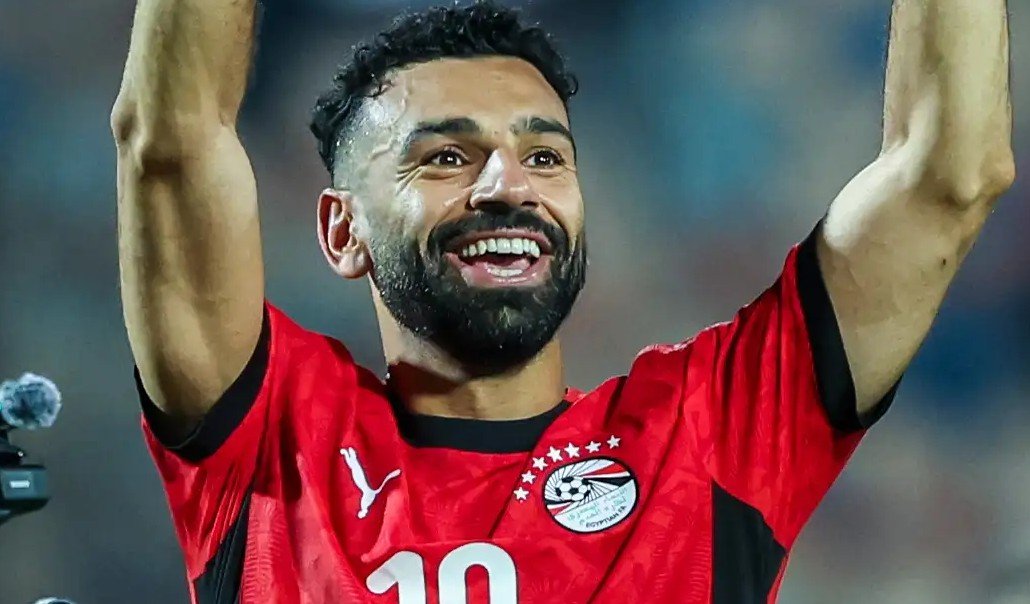
Pepsi’s newest “Pepsi Stars” commercial featuring Mohamed Salah and his daughter, Kayan, has quickly become one of the most talked-about sports-advertising moments of the year. The spot blends family warmth with a deeper message about ambition, sacrifice and childhood dreams that feel all too real for the millions who admire Salah’s rise.
The ad, released as part of Pepsi’s nationwide talent development program, doesn’t try to oversell anything. It simply opens with a daughter asking her father a question that pierces through fame and noise: “Do you like your work?” And from that moment, the tone shifts into something beautifully human.
A Rare Father–Daughter Moment That Sets the Emotional Core
The conversation between Salah and Kayan sets the entire story in motion.
One simple line becomes the hook.
Salah starts reflecting on the long road he took — from playing barefoot in small neighbourhood spaces to becoming a global football figure. His smile carries a mix of pride and pain, almost like someone revisiting chapters they didn’t expect to reopen so publicly.
He calls football “the greatest dream in the world,” describing how it brings happiness, repairs broken spirits, and sometimes breaks your heart a little.
It’s a raw reflection that feels surprisingly intimate for a commercial.
Another short paragraph to maintain rhythm.
He even admits, with a half laugh, “It consumed me.”
Pepsi weaves this conversation into a stitched narrative of childhood aspiration, family pressure, and the kind of obsession that pushes boys and girls to train under streetlights after long school days.
A Story Built From Sacrifice, Sweat And Sleepless Nights
Salah’s voice in the ad walks through memories that many athletes carry quietly.
Moments that aren’t glamorous enough for Instagram but shape careers.
He remembers wearing his childhood hero’s jersey, dreaming of hearing crowds chant his name. He visualises himself running through defenders long before he ever stepped onto a professional pitch.
But he quickly reminds Kayan that dreams don’t take shape overnight. They require long mornings. Long nights. And long stretches of doubt.
The campaign smartly uses participants from the Pepsi Stars program to recreate these flashbacks. Young players are shown training hard, repeating drills, limping through minor injuries, falling, getting back up — all moments that echo Salah’s honest confession that success wasn’t handed to him.
A single-sentence break here.
The message feels grounded: dreams don’t grow unless effort keeps watering them.
Pepsi Stars: A Growing Pathway for Egypt’s Rising Football Generation
The Pepsi Stars program, launched in June, wasn’t built as a one-off marketing idea.
It has been positioned as a full-scale development pipeline backed by the Right to Dream Foundation.
The initiative combines serious training facilities, academic support and personal development lessons. It’s trying to change how Egypt identifies young football talent, especially in communities where access to organised training is limited.
There’s one particularly interesting detail.
The program plans to evaluate more than 100,000 young athletes every year.
That number stands out because it shows Pepsi isn’t trying to cherry-pick a handful of prodigies. Instead, it’s building a wide net, hoping real talent rises naturally through the process.
And here comes the single bullet in the middle of the section, tied naturally to the narrative:
-
More than 1,000 selected players will receive long-term development, while 60 will be offered full residential support for 5–6 years.
This scale aims to push Egyptian football into a new chapter by giving structured opportunities to children between ages 6 and 12, paving a realistic route into clubs and international scholarships.
How Casting Real “Pepsi Stars” Participants Strengthens the Campaign
Pepsi didn’t rely on actors to recreate Salah’s past.
Instead, it used children from the actual program — which gives the film a very grounded feel.
The boys and girls shown training, losing, pushing and rising again make the commercial feel more like a documentary than a scripted ad. It’s almost like watching a tribute video from an academy rather than a corporate campaign.
This shift matters because it mirrors the ambitions of the initiative itself. These aren’t staged stories. These are the experiences that young athletes in Egypt live through daily.
Another short paragraph to vary pacing.
By tying their faces to Salah’s narrative, the campaign sends a powerful message about possibility.
The film also subtly positions Salah as more than a global superstar. He becomes a mentor-like figure for the next generation, someone who understands the pressure, the self-doubt, the sacrifices, and the joy that sit beneath every footballer’s dream.
Looking Ahead: Nine New Courts, Larger Outreach And A Stronger Talent Net
The next stage of the project is ambitious.
Pepsi plans to establish nine Pepsi Stars courts across the country.
Each will offer free training for kids, fully equipped fields and access to structured coaching sessions. It’s a move that blends community outreach with genuine sporting investment.
The program’s annual scouting events, scheduled across Egypt, will form the backbone of the project. They’re expected to pull in thousands of families, coaches and young talent who’ve never seen such large-scale opportunities before.
Here’s a quick snapshot summarizing the core targets mentioned across the program:
| Initiative Element | Target |
|---|---|
| Youth evaluations per year | 100,000+ |
| Players chosen for development | 1,000+ |
| Players offered full residential pathway | 60 |
| Planned Pepsi Stars courts | 9 |
| Age group focus | 6–12 years |
One short paragraph to maintain the human flow.
These numbers paint an ambitious picture, but the campaign’s emotional core — the father, the daughter, the reflection — makes the scale feel real rather than exaggerated.
And suddenly, what started as a commercial feels more like a message: talent grows everywhere if given sunlight, space, and support.
