The online brawl between freed Iraqi captive Elizabeth Tsurkov and Channel 12’s Amit Segal burst across Israeli social feeds this week, cutting straight into a national debate about media responsibility, wartime sensitivity, and who gets to speak publicly without being torn apart. The argument grew tense fast, with emotions running high on both sides.
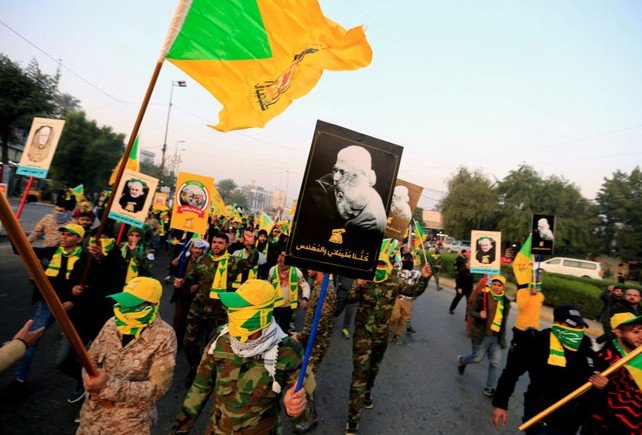
Tsurkov, recently released after months as a hostage of Kata’ib Hezbollah, criticized the way Channel 12 described a deadly IDF incident in Gaza. Segal, one of Israel’s most influential reporters, unloaded on her with unusually harsh language, igniting a wave of public reactions.
Initial Criticism Sparks a Harsh Response
Tsurkov had pointed to Channel 12’s reporting on the IDF killing of two boys, aged 10 and 12, after they crossed the “Yellow Line.”
She said the network’s decision to label them as “suspects” shaped the story in a way that didn’t sit right.
She also reminded her followers that Channel 12 is the country’s most-watched broadcaster, which means its wording matters—maybe more than any other outlet.
He wrote that “even scum like Tsurkov do not deserve to rot in the captivity of terrorist organizations.”
It stunned many who saw it.
One sentence from his post stood out even more:
“What a remarkable country Israel is…” he wrote, arguing that even those who heavily criticize the state benefit from its efforts to rescue them when kidnapped.
It was a loaded statement.
And it pushed the argument deeper.
Tsurkov Pushes Back, Pointing to Journalism Standards
Tsurkov answered quietly but firmly.
She said her translation of Channel 12’s headline into English was accurate, and that if it sounded like smearing the state, perhaps the reporting itself should be reviewed.
Her tone stayed measured.
Her message was sharper: journalism shouldn’t bend under pressure.
She acknowledged Israel worked to free her.
She said she’s grateful for that.
She also claimed Segal had previously warned Israel against taking action on her behalf while she was held in Iraq.
Then she thanked those who ignored what she described as his public call.
Segal Accuses Tsurkov of Hating Israel
Segal wasn’t done.
He accused Tsurkov of hating the country.
He said her “foolish adventures” cost Israel a heavy price.
He called her an obsessive critic who harms the state.
He didn’t detail what the “enormous price” was, but the phrasing was pointed enough.
Tsurkov answered again, this time with a sentence that ricocheted all over the internet:
“I do not hate the country.”
Then the follow-up line:
“If you want to live under a regime where such criticism is forbidden, go to Gaza.”
That line instantly became the center of the story.
Media, Labels, and the Power of a Single Word
Her main complaint—how Channel 12 described the boys—brought renewed attention to the issue of framing in conflict reporting.
Israeli viewers often notice the small word choices that push coverage in one direction or another.
To understand the contrast, here’s a simple comparison pulled from public reporting around similar incidents:
| Source Type | How the Children Were Described | Main Focus |
|---|---|---|
| Channel 12 | “Suspects who crossed the Yellow Line” | Potential threat |
| International Media | “Two boys, 10 and 12, killed by IDF fire” | The victims’ ages |
| IDF Statement | “Individuals engaged in suspicious activity” | Operational justification |
For Tsurkov, the phrasing mattered.
For Segal, her criticism felt like an attack on the state itself.
That tension shaped the entire fight.
And yes, one bullet point captures what many Israelis felt:
– Hearing a top journalist call a freed hostage “scum” crossed a line that left even his fans uncomfortable.
Israeli Public Splits Quickly
The reaction online was sweeping.
Some Israelis defended Segal, saying Tsurkov often speaks harshly about Israel, and wartime criticism feels heavier.
Others said Segal’s language was cruel, especially toward someone who survived captivity and returned home only recently.
The Gaza Line That Hit a Nerve
Everything shifted after Tsurkov’s “go to Gaza” remark.
To some, it was exhilarating — the kind of pushback they wanted to hear from her.
To others, it felt like an unnecessary escalation.
And to a smaller group still, it highlighted how difficult it is to talk about Gaza at all without stepping into a minefield.
Segal responded by accusing her of using enemy propaganda tactics, including what he described as minimizing the horrors of October 7 and highlighting incidents involving Palestinian casualties instead.
At that point, the two weren’t even debating.
They were talking past each other, each convinced the other represented something deeply wrong in Israeli society.
What This Fight Really Shows
Strip away the insults, and something clearer comes into view.
Israel is struggling with a basic question:
How do you maintain a free, loud, argumentative public square while living under constant threat and trauma?
Some Israelis think criticism during wartime is reckless.
Others think silencing critics is even more dangerous.
And maybe that’s why the argument spread so quickly — not because of who said what, but because the country recognized the deeper fight hiding beneath the words.
Category: News
Middle East
Meta Description: Freed Iraqi captive Elizabeth Tsurkov clashes with journalist Amit Segal over Gaza coverage, sparking nationwide debate on media, criticism, and loyalty.
URL Slug: tsurkov-amit-segal-online-feud-gaza-coverage-israel
Image: Elizabeth Tsurkov Iraqi Israeli flags background